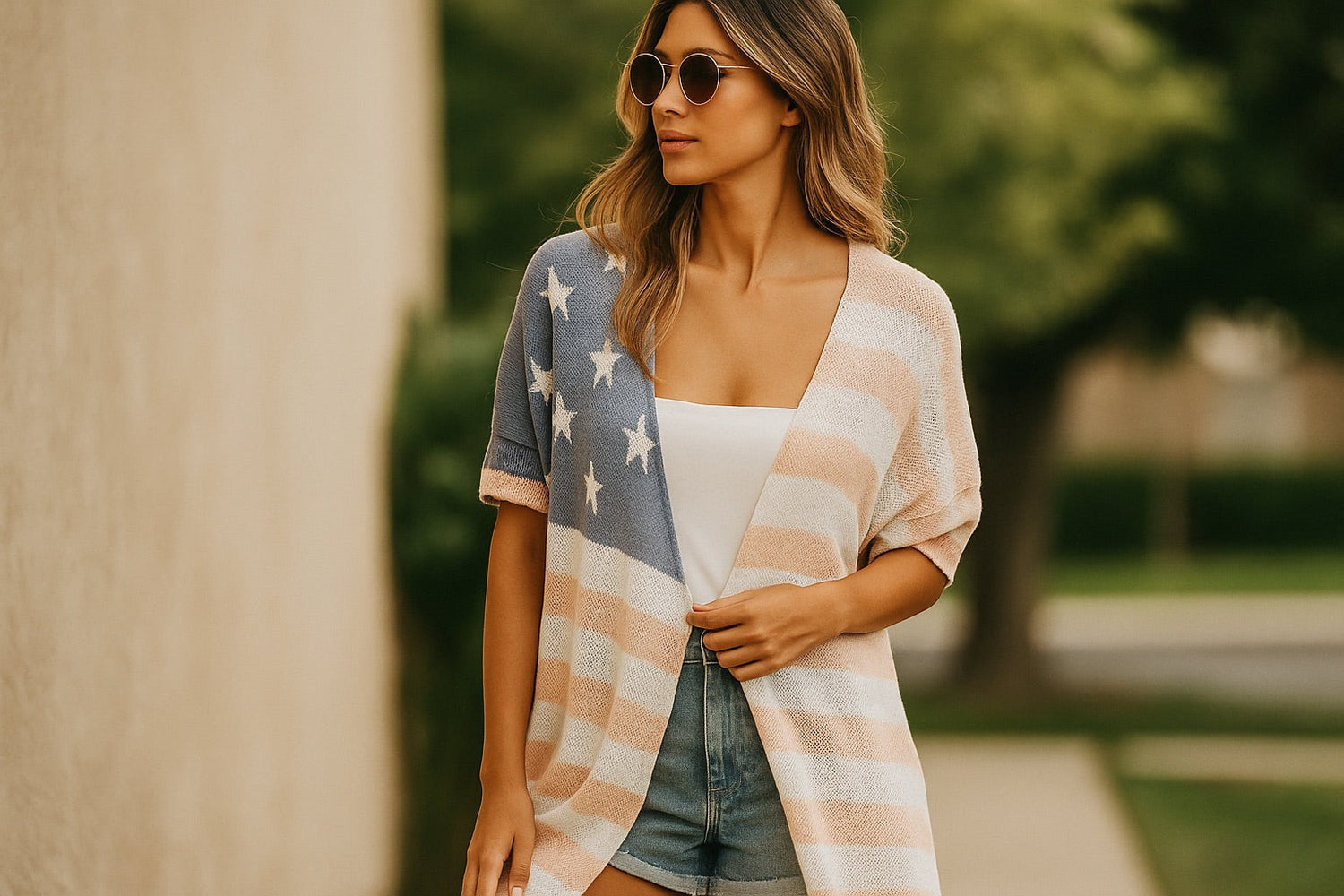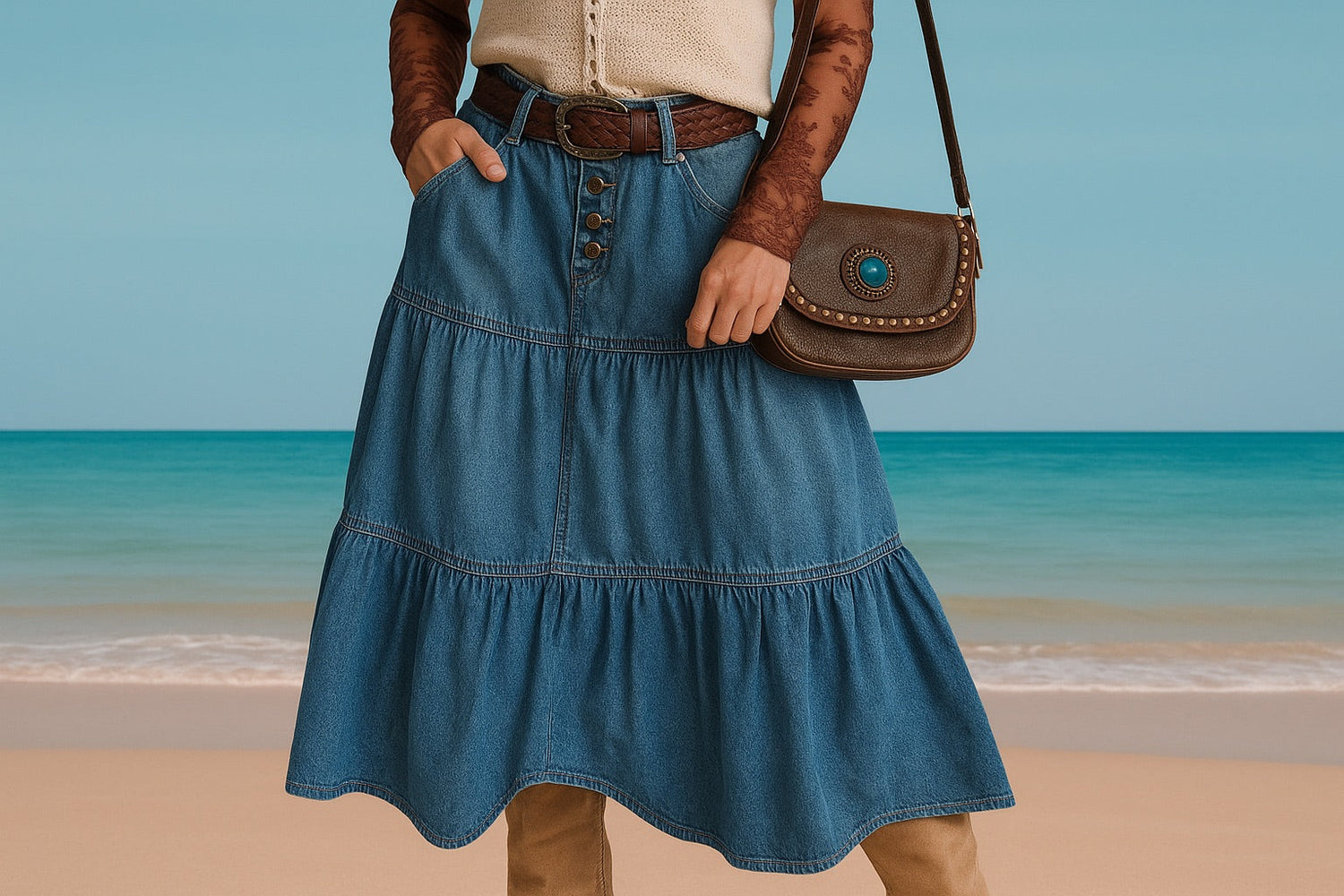

What to Wear in July: The Summer Style Essentials Worth Reaching For
July is the month that separates a functional summer wardrobe from a wishful one. The heat is real, the calendar is full, and the pieces that looked good in April either earn their keep now or get pushed to the back of the closet until September. At Livostyle, we've spent the last few weeks tracking what's actually getting worn — at rooftop dinners, beach weekends, outdoor weddings, and just regular Tuesday errands at 91°F. This is that edit.
Why July demands a tighter edit
Most summer wardrobes are built in May, when the heat feels optional. By July, nothing is optional. You need pieces that breathe, pack flat, survive a beach bag, and still look intentional at dinner. That's a short list of actual requirements — which means the edit should be short too.
Linen and cotton are not interchangeable in this heat. Linen dries faster after sweat or a splash, holds its structure when damp, and gets softer with every wash. Cotton jersey is cooler to the touch but clings when wet. Knowing which you're buying matters more in July than in any other month. For a full breakdown of how these fabrics behave differently in high temperatures, our piece on what "cool cotton" actually means is worth five minutes of your time.
The other July reality: your occasions are stacking. Brunch bleeds into a boat afternoon, which bleeds into dinner. One-occasion pieces are a liability. Everything in this edit works across at least two contexts.
"July is when I ask clients to pull out everything they've worn since June 1st. Usually it's four or five pieces. That's the wardrobe. Everything else is noise."
— Sarah Lin, Livostyle Style Editor
The dress: pick one, wear it everywhere
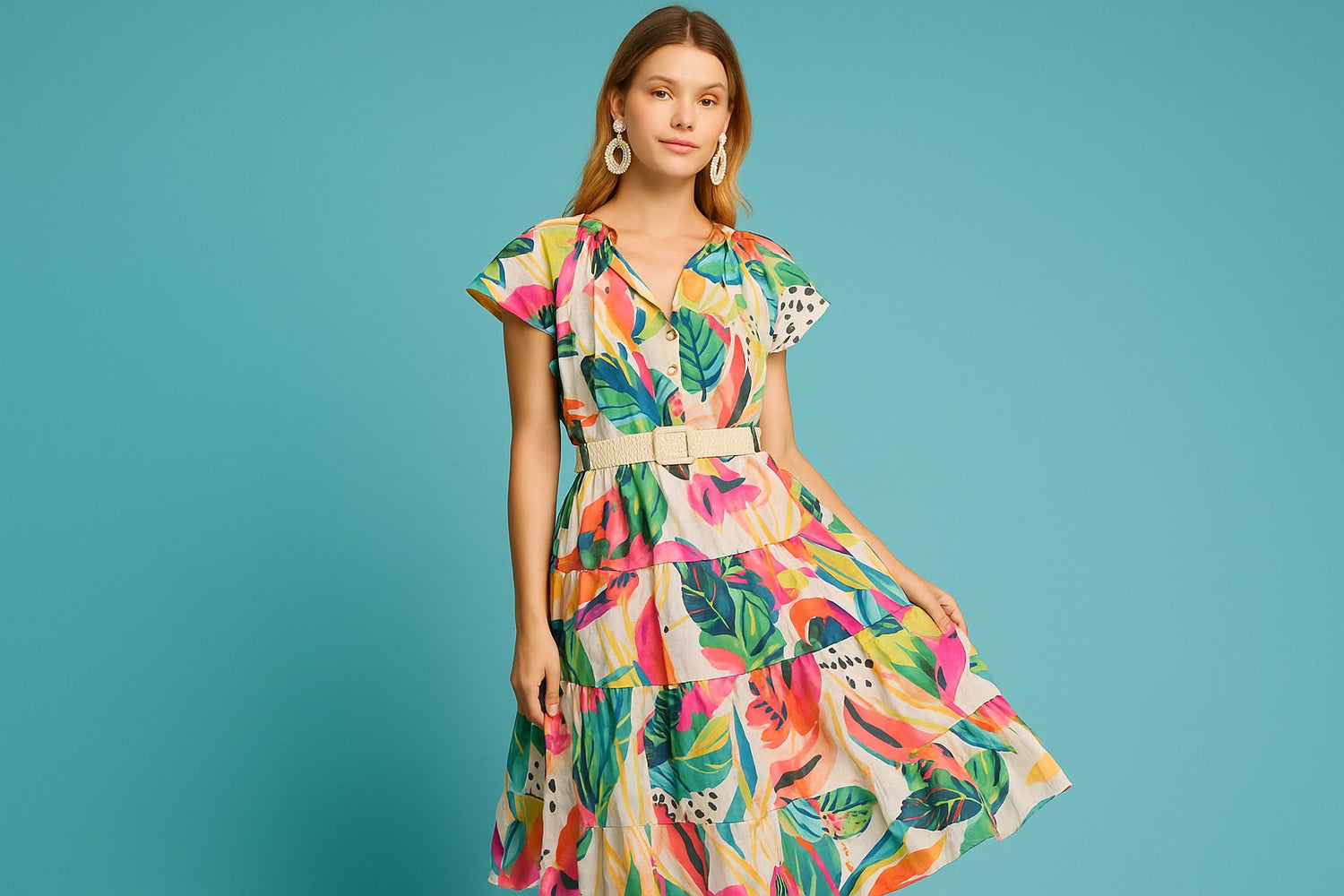
One dress that works across three or four occasions is worth more than six dresses that each work for one. In July, that dress is almost always a midi in a natural fiber — long enough to feel dressed, short enough to stay cool, and the right length for both a farmers' market and a dinner reservation.
What to look for: a relaxed A-line or smocked bodice (no waistband elastic that digs in the heat), sleeveless or short-sleeved, and a fabric that doesn't show sweat. Linen and cotton gauze are the right calls. Polyester blends are not — they trap heat and photograph with a sheen that reads cheap in daylight.
Color matters in July more than it does in other months, for a practical reason: dark colors absorb heat. Cream, sage, terracotta, and sky blue keep you cooler and photograph better in bright sun. Our linen dresses collection and the broader summer dresses edit are where we'd start. If you're shopping for a specific event, the vacation dresses collection filters for the right silhouettes.
The styling shortcut: the same midi dress reads casual with flat sandals and a straw tote, and reads evening with heeled mules and a small crossbody. You don't need two dresses. You need two different accessory combinations.
The two-piece set that does double duty
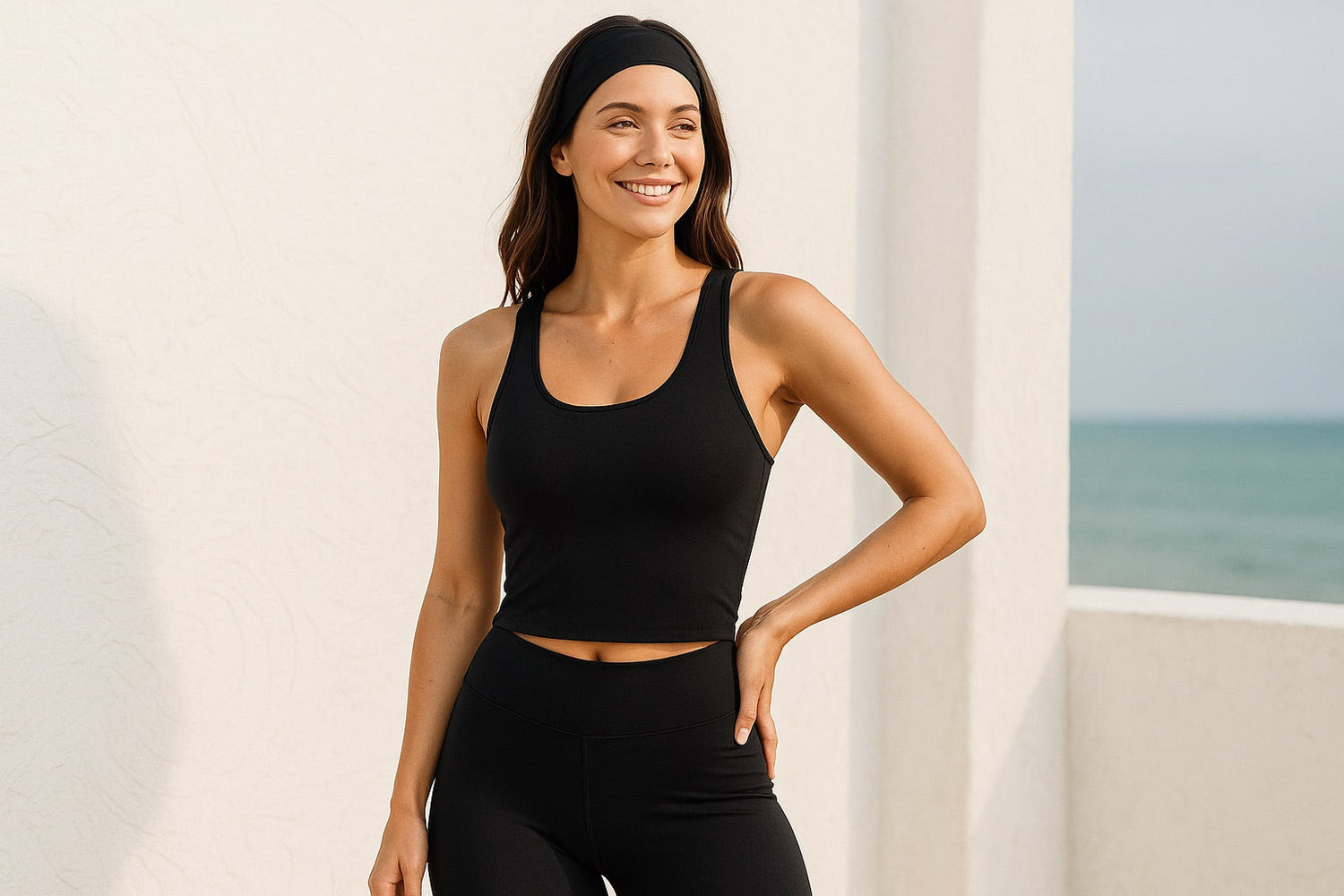
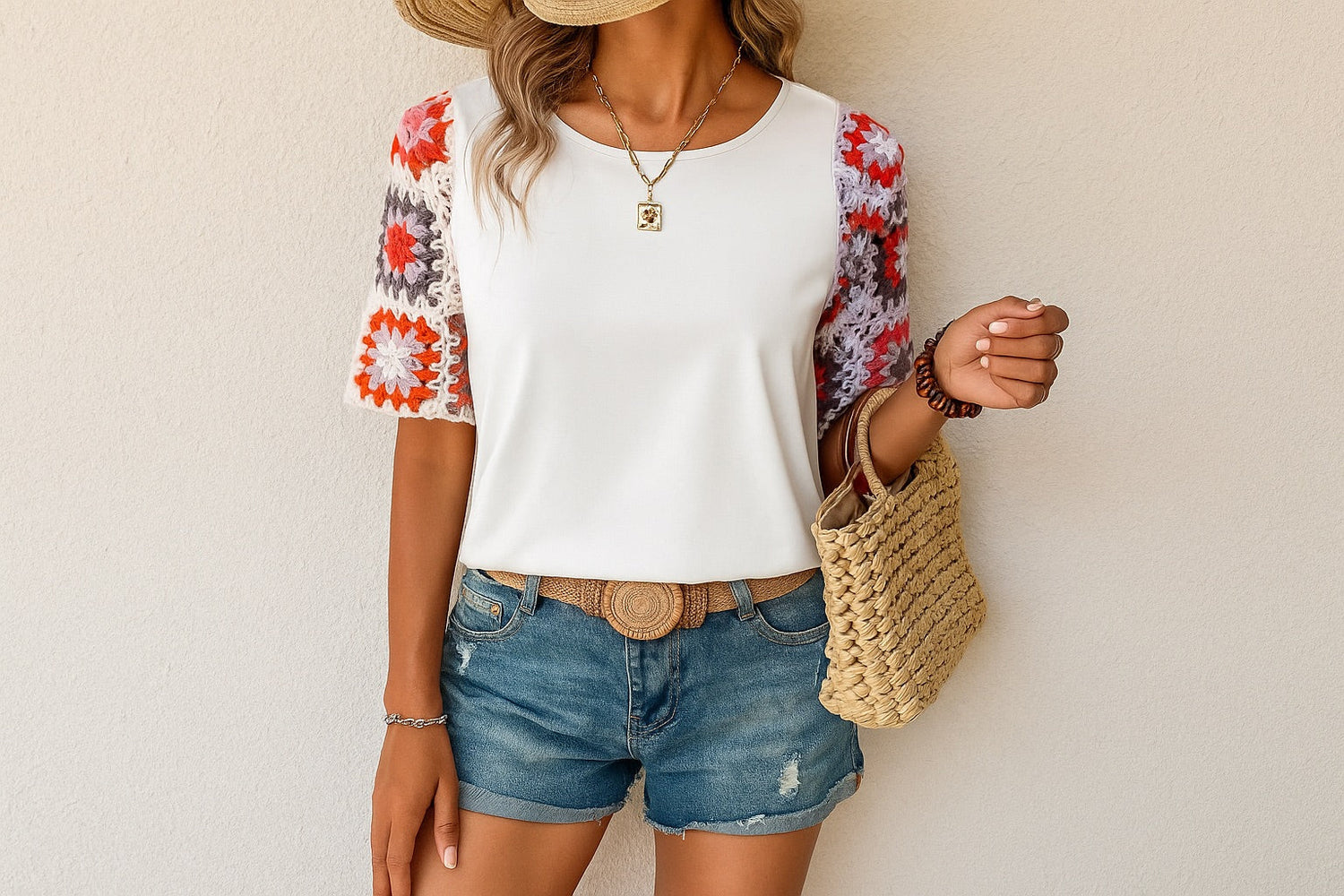
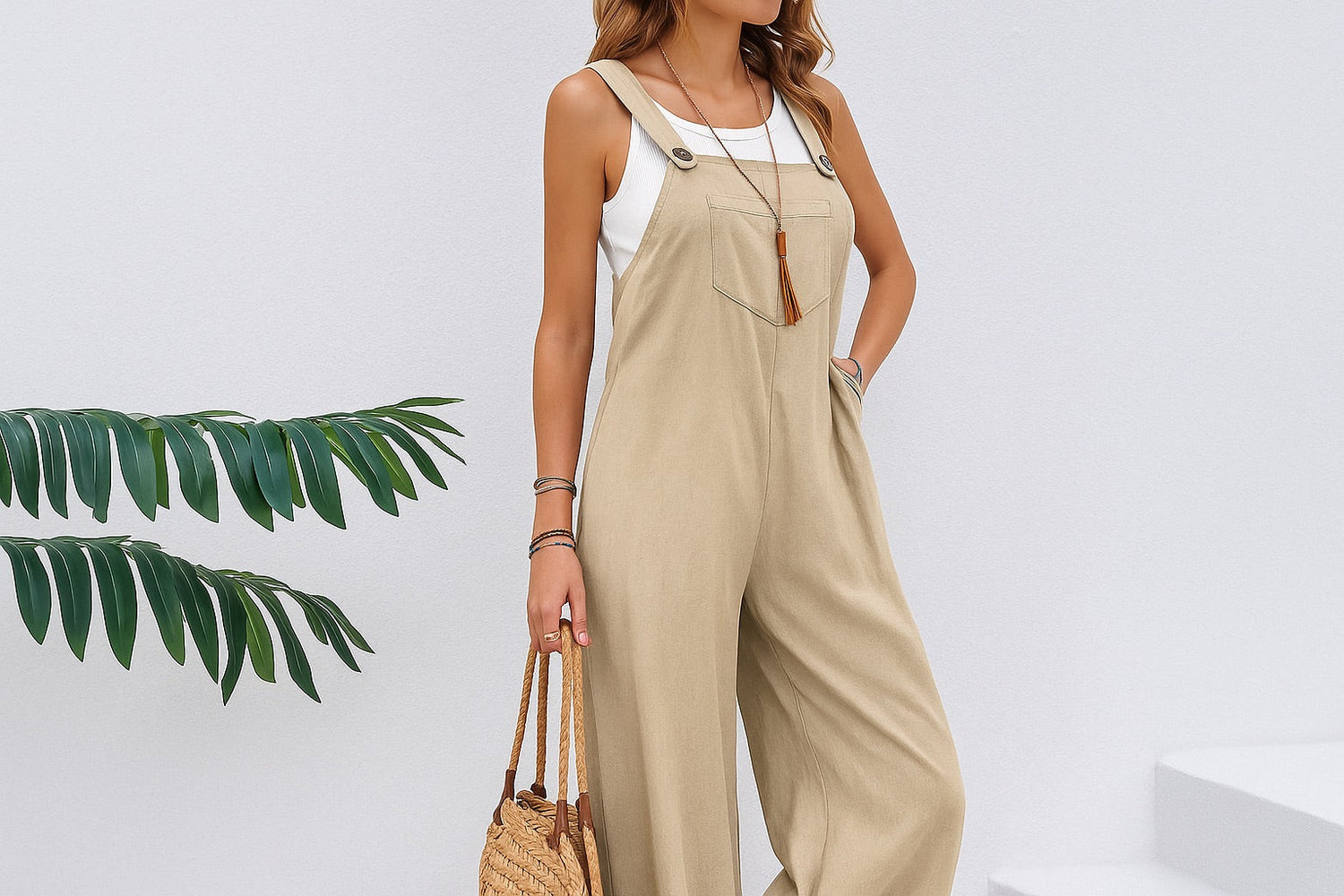
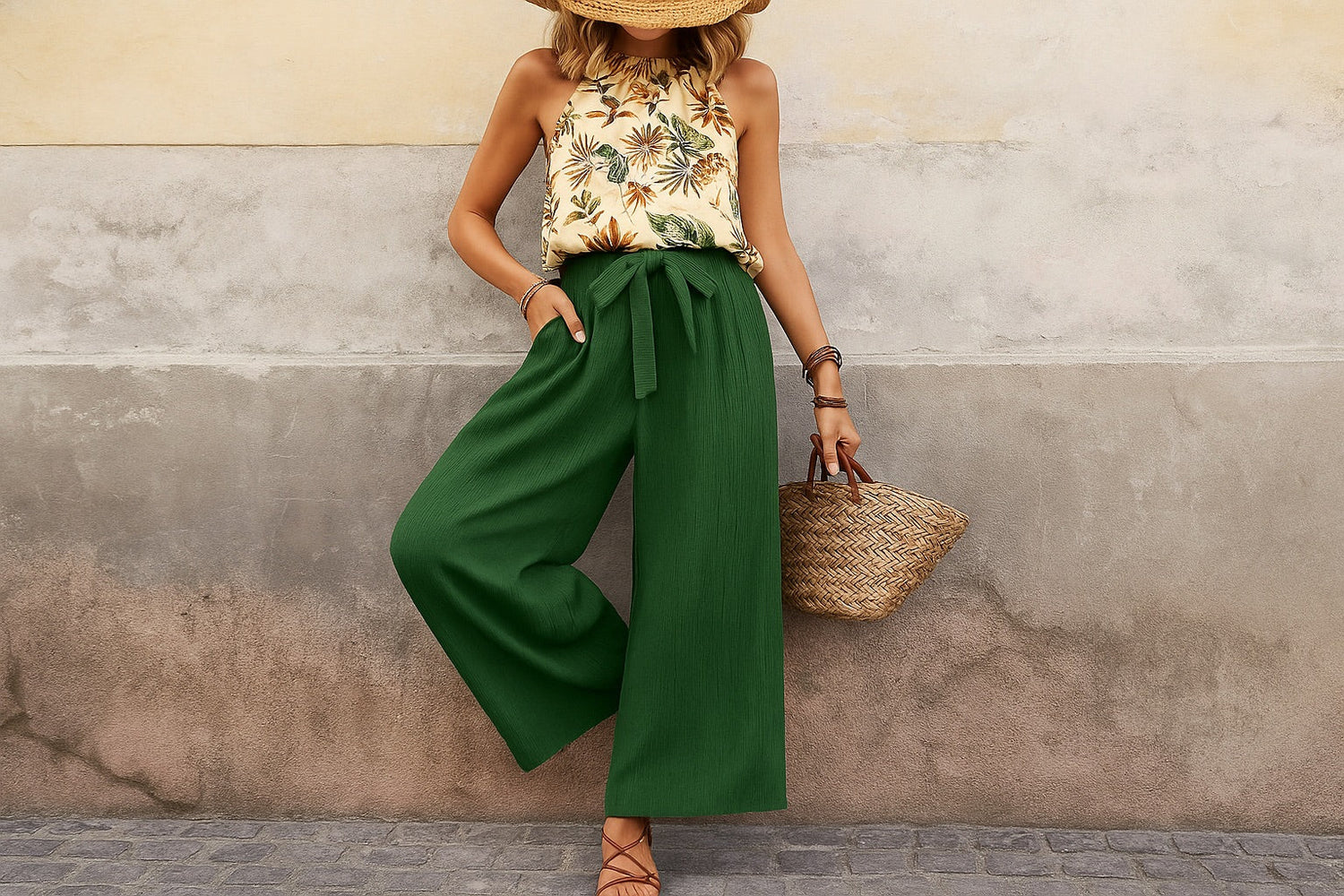
A matching set is July's smartest investment because it solves the "what goes with what" problem before you're standing in front of your closet at 8am already sweating. The pieces are pre-matched. Wear them together or split them — the linen wide-leg pant with a white tank, the crop top with denim shorts.
Two-piece sets work hardest when: the fabric is substantial enough to not wrinkle into a mess after sitting, the top is cropped but not micro (a 2-inch hem gap is the sweet spot for versatility), and the color is neutral enough to mix with other pieces you already own. Browse the two-piece sets collection — filter for linen or cotton and you'll cut the options to the right candidates immediately.
Linen sets, specifically: linen production uses approximately 75% less water than cotton during processing (CELC, European Confederation of Linen and Hemp). If you're buying one new piece this July, a linen set gives you the most outfit combinations per purchase and the lowest environmental footprint per wear.
The sandal question, answered
There are three sandal categories worth owning in July. You don't need all three. Pick the one that covers 80% of your actual plans.
- Flat leather slides: the everyday default. Works with everything from linen sets to denim shorts. Easy on, easy off for beach-to-restaurant transitions. Browse sandals and filter flat — these are the ones that earn daily wear.
- Block-heel sandals: for occasions where you want to look like you tried. The block heel is stable on cobblestones, grass, and uneven patio pavers. Stilettos sink. We've said this before and we'll keep saying it.
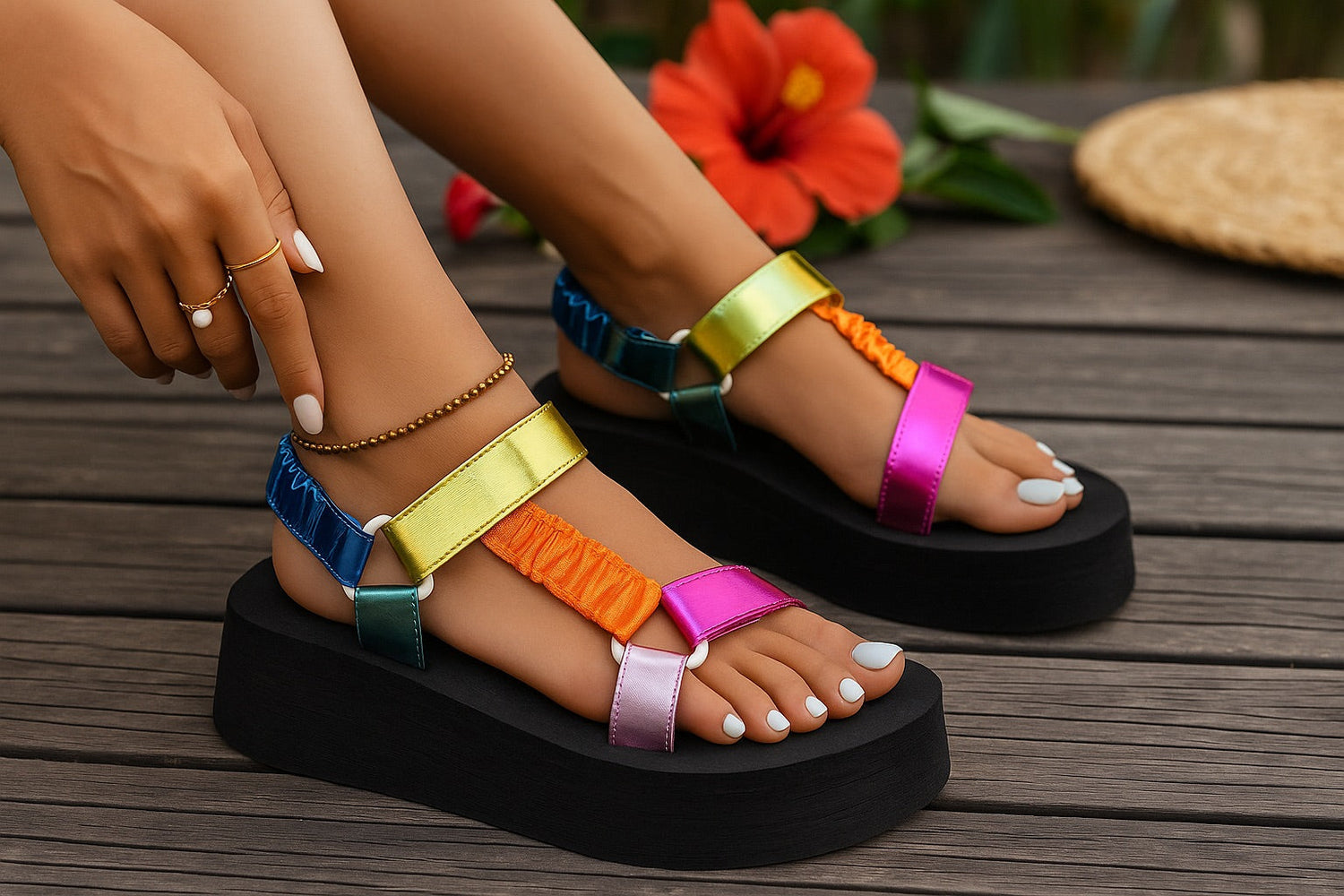
- Sport sandals: if your July involves hiking, boat days, or any activity where you might get wet. Comfort over everything — no one's judging your footwear on a kayak.
The mistake most people make: buying a sandal that works for exactly one type of occasion and then realizing July has five different types of occasions. A flat leather slide is the highest-utility pick for most schedules. For a full guide to what to wear when the occasion involves water, our boat day outfit guide covers footwear and everything else.
The bag that actually works in summer
Summer bags fail for one of two reasons: they're too small to hold sunscreen, or they're too big to feel intentional at dinner. The sweet spot is a medium crossbody bag — structured enough to hold its shape, roomy enough for the essentials, and hands-free so you can carry a coffee and a beach towel simultaneously.
Material notes: raffia and woven bags look right in July but require more care — they snag on rough surfaces and don't handle rain. A leather or vegan leather crossbody is lower maintenance and works from July through October without looking out of season. Our bags collection has both; the tote bags within it are the move if you're packing for a beach day specifically.
One more thing: bag color in summer. Natural tones — camel, cream, tan — work with the warm palette of summer dressing. Black bags are fine but absorb heat visually in a way that fights the lightness of summer outfits. A camel crossbody with a sage linen dress is a finished outfit. A black crossbody with the same dress is an afterthought.
3 outfit formulas for July's actual occasions
Formula 1 — The outdoor wedding guest
Floral midi dress + block-heel sandal + small structured clutch. Skip the fascinator, skip the hat (it'll blow off), and skip ivory if the bride is wearing traditional white. Sage, dusty blue, and terracotta all photograph beautifully in outdoor light and read "intentional guest" without upstaging anyone. For more on navigating wedding-guest dressing this season, our spring garden wedding guest guide covers the full decision tree.
Formula 2 — The beach-to-dinner transition
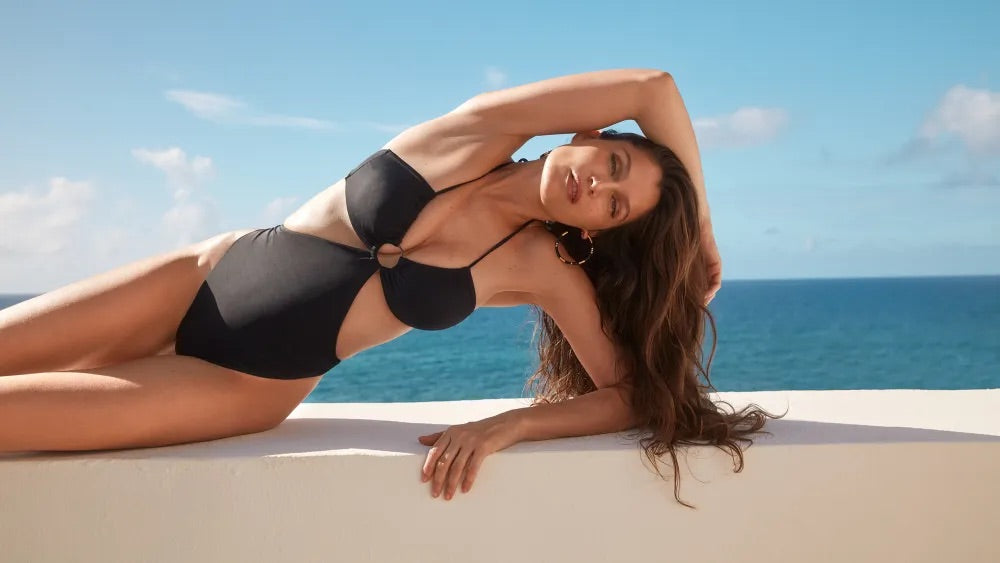
Swimsuit + beach cover-up (the kind that actually functions as a dress, not just a sheer panel) + flat sandals + crossbody. Swap the cover-up for a linen midi at the restaurant if you want to feel more dressed; keep it on if the place has outdoor seating and a casual vibe. The key is a cover-up that doesn't look like a cover-up — something with structure, a real neckline, and a hem that hits the knee.
Formula 3 — The rooftop or outdoor concert
Matching set in a breathable fabric + low-profile sneakers or block-heel sandal + small crossbody. The set reads put-together without requiring a dress. The sneaker keeps you comfortable through a three-hour set. The crossbody keeps your hands free. This is the formula that photographs well, survives a crowd, and still feels intentional. For a deeper look at concert dressing specifically, our outdoor concert outfit guide has you covered.
What to skip this month
July is not the month to buy a blazer, a long-sleeve anything, or a structured coat. We know that sounds obvious, but the number of people who impulse-buy a "transitional" piece in July and never wear it until October is significant. Buy for the weather you're in, not the weather you're anticipating.
Also skip: anything in 100% polyester at this temperature. Polyester doesn't breathe. It traps heat, it retains odor after one wear, and it pills faster than natural fibers. The price difference between a polyester dress and a cotton or linen one at our price points is usually $10–15. That $15 is worth spending.
And skip buying more than you need. According to a 2023 McKinsey Global Fashion Index report, the average consumer wears fewer than 30% of the clothes they own regularly. July is the month to wear what you have, buy one or two things that fill a genuine gap, and stop there.
Frequently asked questions
What are the best fabrics for summer clothes in July heat?
Linen and cotton gauze are the top choices for July. Linen dries fastest after contact with sweat or water, holds its structure when damp, and gets softer over time. Cotton gauze is lightweight and breathable. Both outperform polyester blends significantly above 85°F. Modal is a good option for knit pieces — it's temperature-regulating and softer than cotton jersey against skin.
How do you build a summer capsule wardrobe that covers multiple occasions?
Start with three anchor pieces: a midi dress in a neutral color, a matching two-piece set in linen or cotton, and a pair of wide-leg pants that pairs with multiple tops. Add one flat sandal, one block-heel sandal, and a medium crossbody bag. From those six pieces you can build outfits for brunch, beach days, outdoor weddings, rooftop dinners, and casual errands without buying anything else.
What colors work best for summer outfits in bright sunlight?
Light and warm neutrals photograph best in direct summer sun: cream, ivory, sage, terracotta, sky blue, and soft coral. Very dark colors — black, deep navy — absorb heat and can look heavy in outdoor photos. White works but shows sweat and requires careful fabric choice (linen white is more forgiving than cotton jersey white). If you want one statement color, terracotta and sage are the strongest performers in natural light right now.
Is it worth buying a beach cover-up that doubles as a dress?
Yes, specifically because it eliminates a bag change and an outfit change when you move from beach to lunch. Look for cover-ups with a structured neckline, a hem at or below the knee, and a fabric that doesn't cling when damp. Avoid purely sheer styles — they require a separate outfit underneath and defeat the purpose. A cotton or linen cover-up in a solid color or simple print earns its place in July without being a single-use purchase.
How many summer dresses do you actually need?
Three is the practical answer for most schedules: one casual dress for everyday wear, one that reads semi-formal for weddings and dinners, and one that can function as a beach cover-up or travel piece. More than five and you'll find yourself rotating the same two or three anyway. The goal is fewer pieces worn more often, not a full closet you cycle through once.