
What to Wear in July 2026: The Summer Style Essentials Worth Reaching For
July is not a month for complicated clothes. Heat above 85°F, a social calendar that swings from rooftop happy hours to weekend lake trips, and the general unwillingness to think too hard about getting dressed — July rewards the person who already owns the right five pieces. This guide covers exactly those pieces: what they are, what fabric to look for, and which occasions they actually solve.
How to think about July dressing
Most style advice for summer treats July like a continuation of June. It isn't. By mid-July, the novelty of warm weather is gone. What you actually need are clothes that hold up to repeated wear, wash easily, and don't require much thought at 7am when it's already 78°F outside.
The practical filter for July: does it breathe, does it travel flat, and does it work for at least two different occasions without a full outfit change? If yes, it earns a spot. If no, it's a one-use piece you'll resent by August.
Fabric is where July dressing wins or loses. Natural fibers — linen, cotton, Tencel — regulate body temperature because they absorb moisture rather than trapping it. Linen uses 75% less water to produce than conventional cotton (CELC, European Confederation of Linen and Hemp), and it's the most breathable option in the category. Polyester blends feel fine in air conditioning and miserable everywhere else.
"July is when I stop thinking about trends entirely. I pull out the same four dresses I wore last July, check that they still fit, and that's the wardrobe. The interesting pieces are the accessories — a new bag, a different sandal. The foundation doesn't change."
— Sarah Lin, Livostyle Style Editor
The dress question: midi vs. maxi vs. mini
All three silhouettes work in July. The choice comes down to what you're doing, not what's trending.
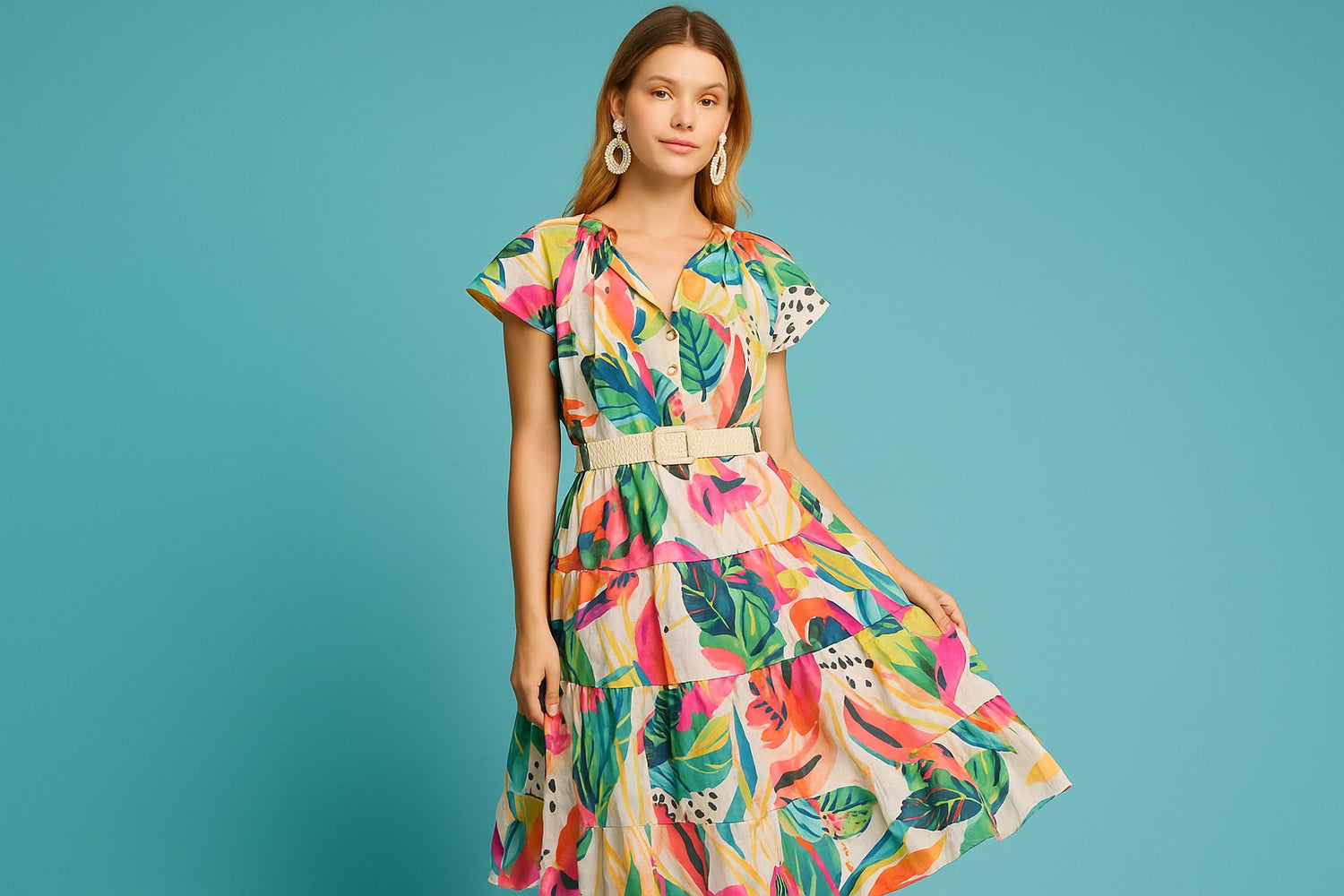
Midi dresses are the workhorse. They photograph well, move well, and land at a length that reads appropriate for almost every July occasion — brunch, a casual wedding, a work-from-home Zoom call with the camera on. Our midi dress edit covers everything from ribbed knits to smocked cotton, and it's where we'd start if you're filling a gap in your closet.
Maxi dresses are July's most underrated option. The extra length actually keeps you cooler in direct sun by shielding your legs — the same principle as loose linen trousers in a desert climate. They're also the easiest cover-up-to-dinner transition. A flowy maxi over a swimsuit, with sandals and a crossbody, is a complete outfit that requires approximately zero effort.
Mini dresses are the right call for evenings — rooftop bars, outdoor concerts, late dinners. They're not practical for a full day in the sun (you'll want more coverage by 3pm), but for a few hours at night, a fitted mini in a solid color is hard to beat.
One rule that applies to all three: avoid dark colors in direct sun. Black absorbs heat. Navy and charcoal do too, though less dramatically. White, cream, sage, terracotta, and dusty blue keep you cooler and photograph better in bright outdoor light.
Bottoms that breathe
If you're a tops-and-bottoms person rather than a dress person, July still has good options — you just have to be specific about fabric and cut.
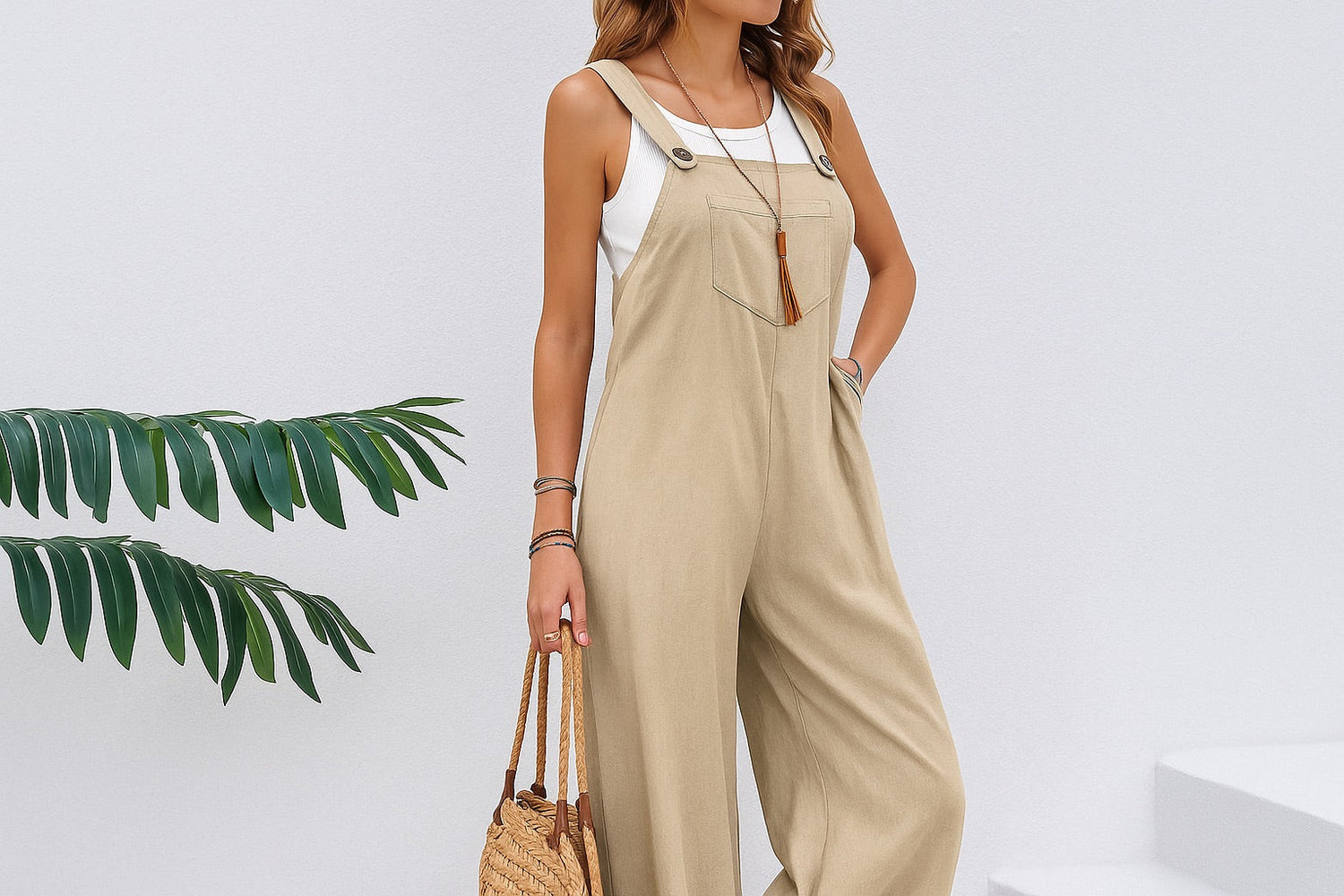
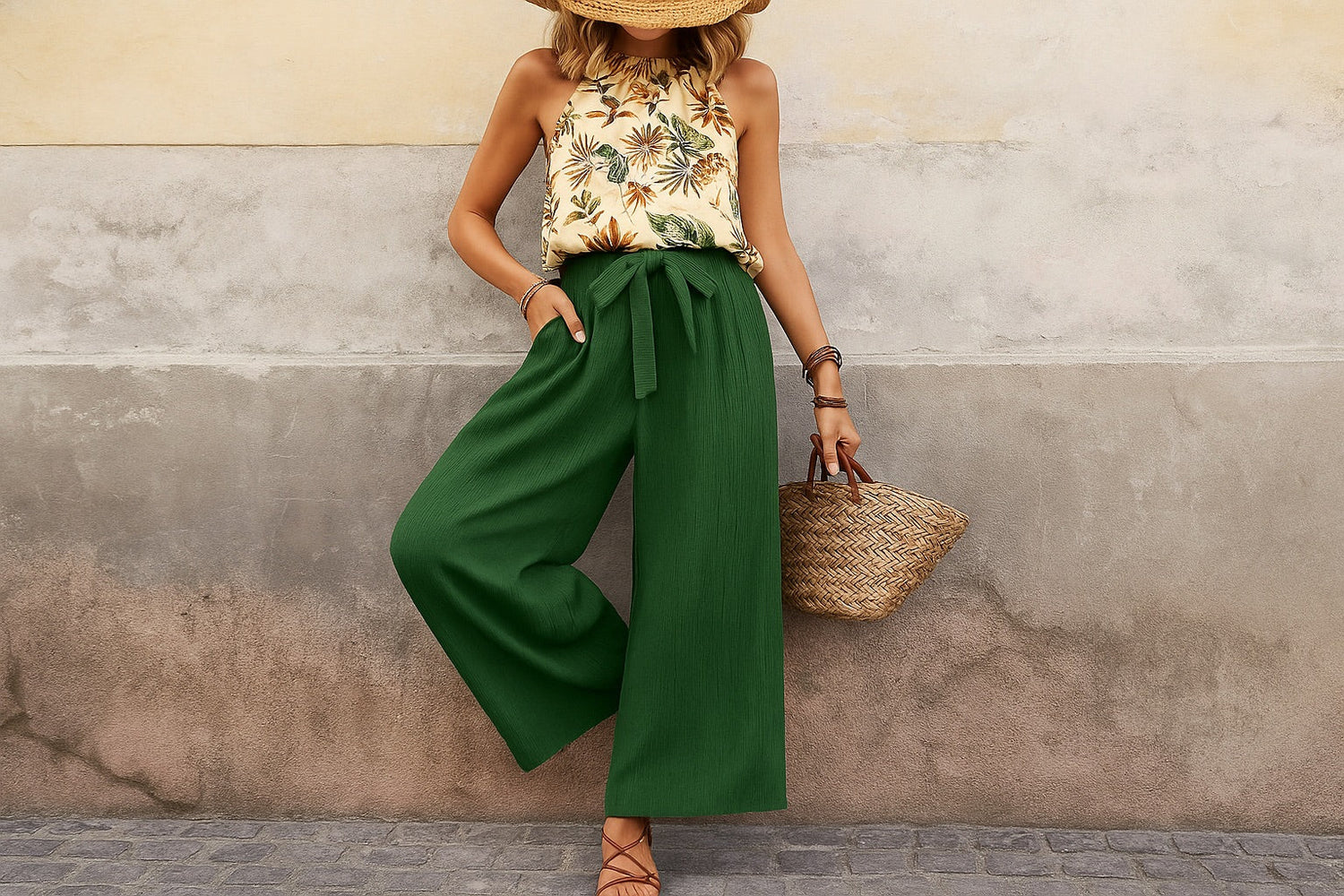
Wide-leg pants in linen or cotton are the single best non-dress bottom for July. The wide leg creates airflow that fitted pants don't. They look put-together with a simple tank or a cropped blouse, and they work in the office as well as they work on a patio. Avoid wide-leg pants in polyester or viscose — both trap heat once the temperature climbs past 80°F.
Denim shorts are obvious, but the fit matters more than people think. A mid-thigh length in a straight or slightly relaxed cut reads more polished than an ultra-short cut, and it's more comfortable for a full day of walking. High-rise styles also tend to stay in place better than low-rise when you're moving around.
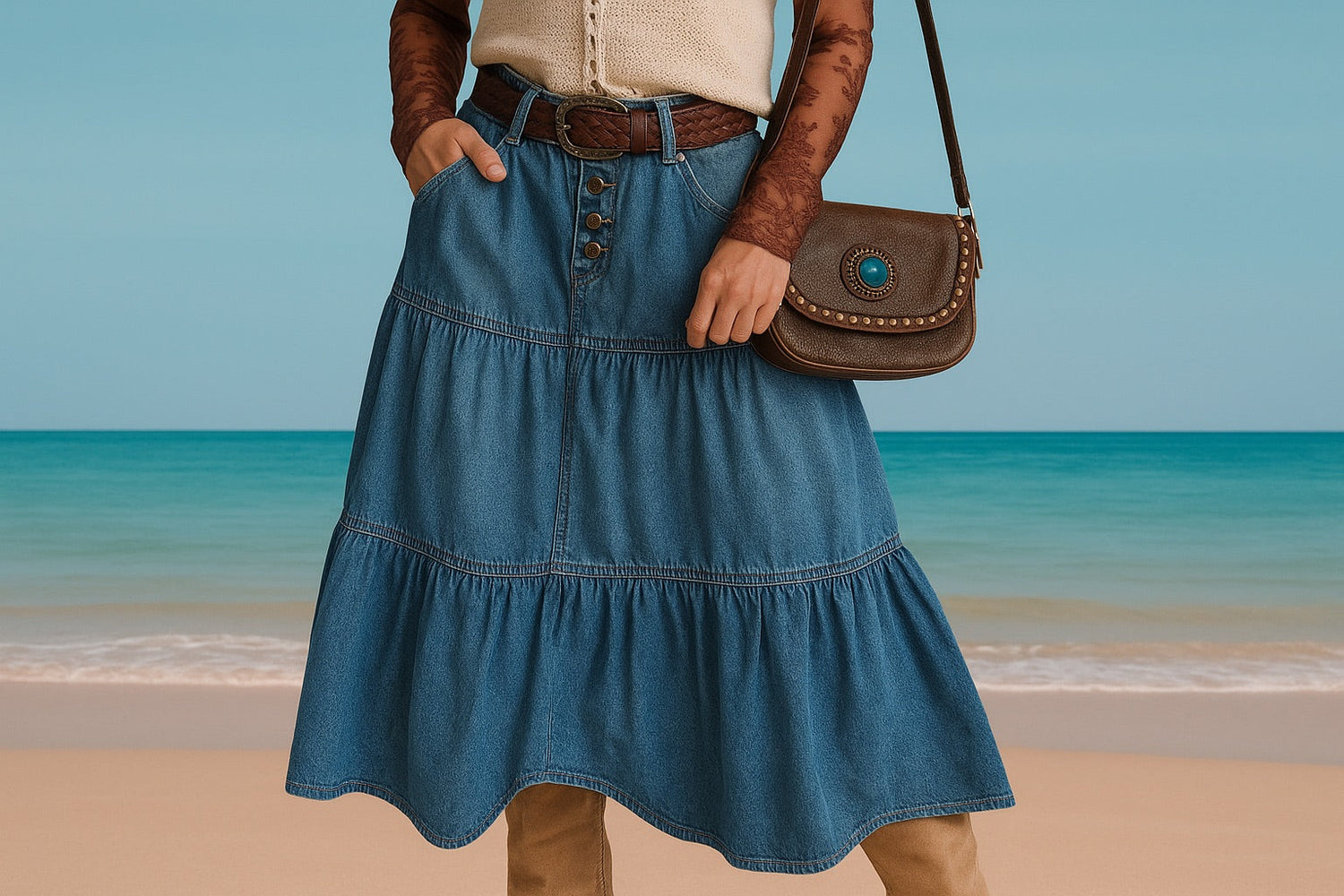
Midi skirts deserve more credit in July. A cotton or linen midi skirt paired with a sleeveless top is one of the most comfortable combinations you can wear in heat — and it's also one of the most adaptable. Dress it down with flat sandals, up with heeled mules and a structured bag.
Tops for the heat
July tops should do one thing well: not make you hot. That sounds obvious, but it eliminates a surprising number of popular options — structured blouses with heavy fabric, anything with long sleeves, anything in a synthetic that doesn't breathe.
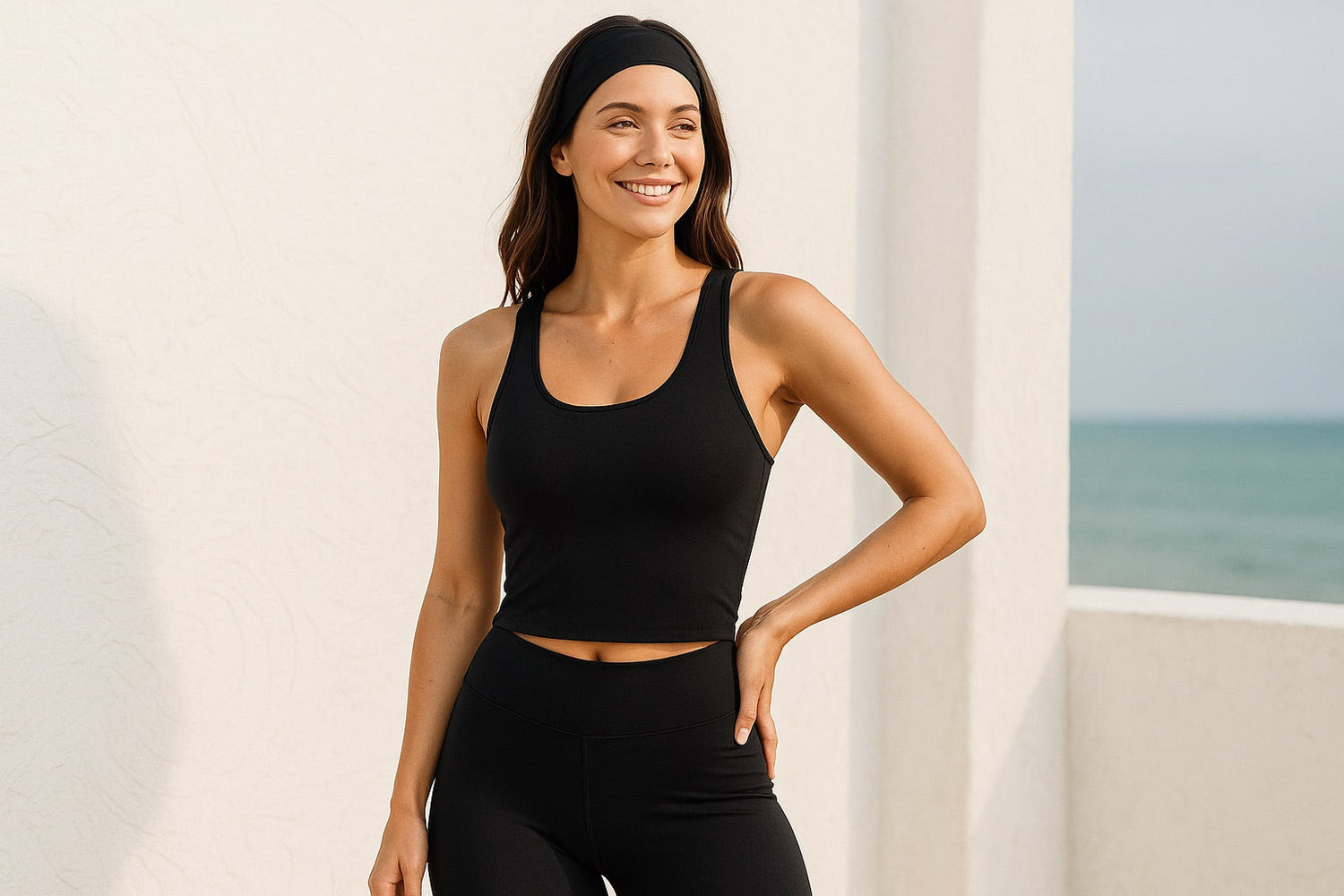
Tank tops in cotton or modal are the foundation. A good tank in a neutral color (white, cream, black, sage) works under everything and on its own. Buy two or three and stop thinking about it.
Crop tops work particularly well with high-waisted bottoms in July — the exposed midriff is practical in the heat, and the proportion reads intentional rather than accidental when the bottom is high-waisted. A ribbed crop top with wide-leg linen pants is a complete outfit that takes about 45 seconds to put together.
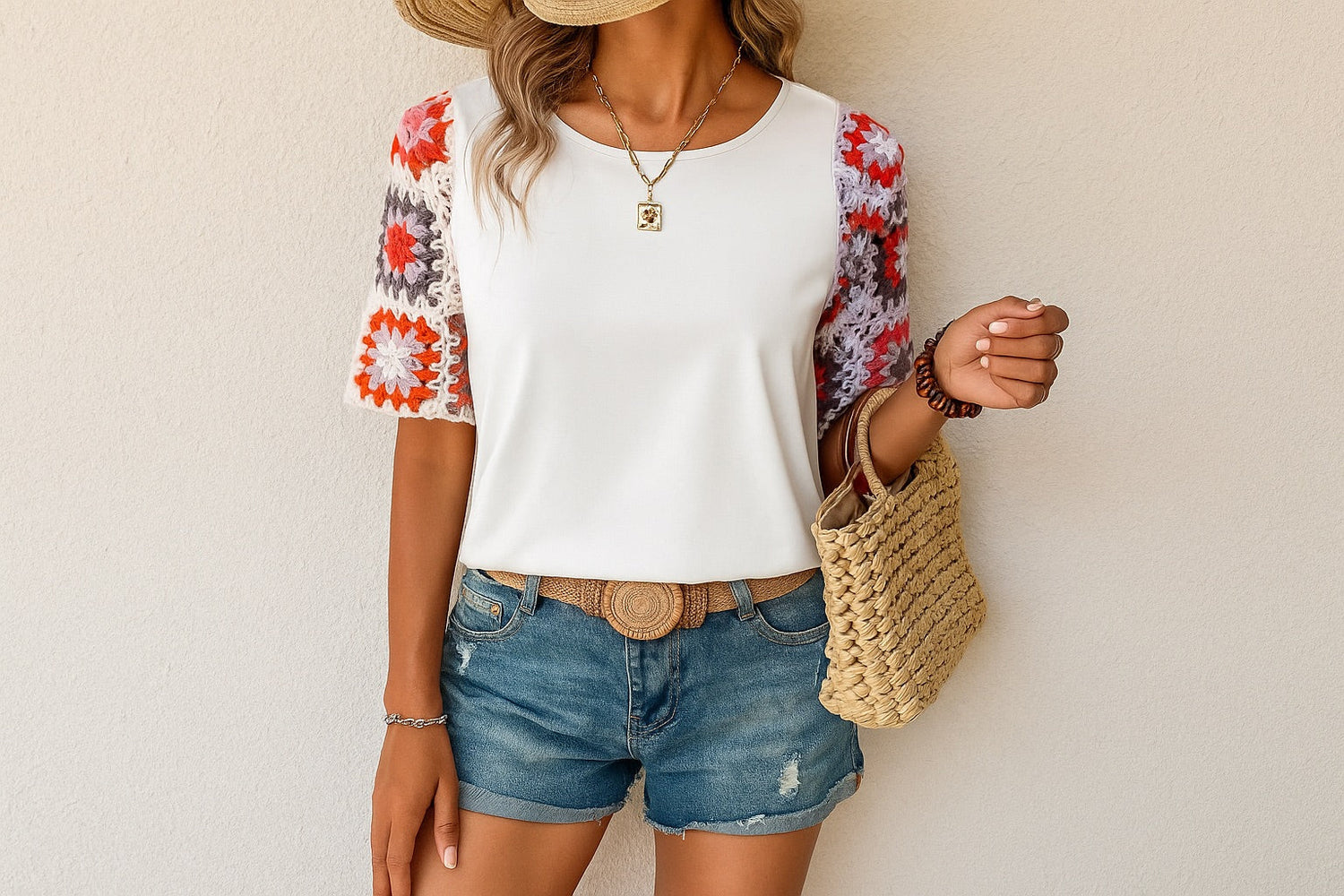
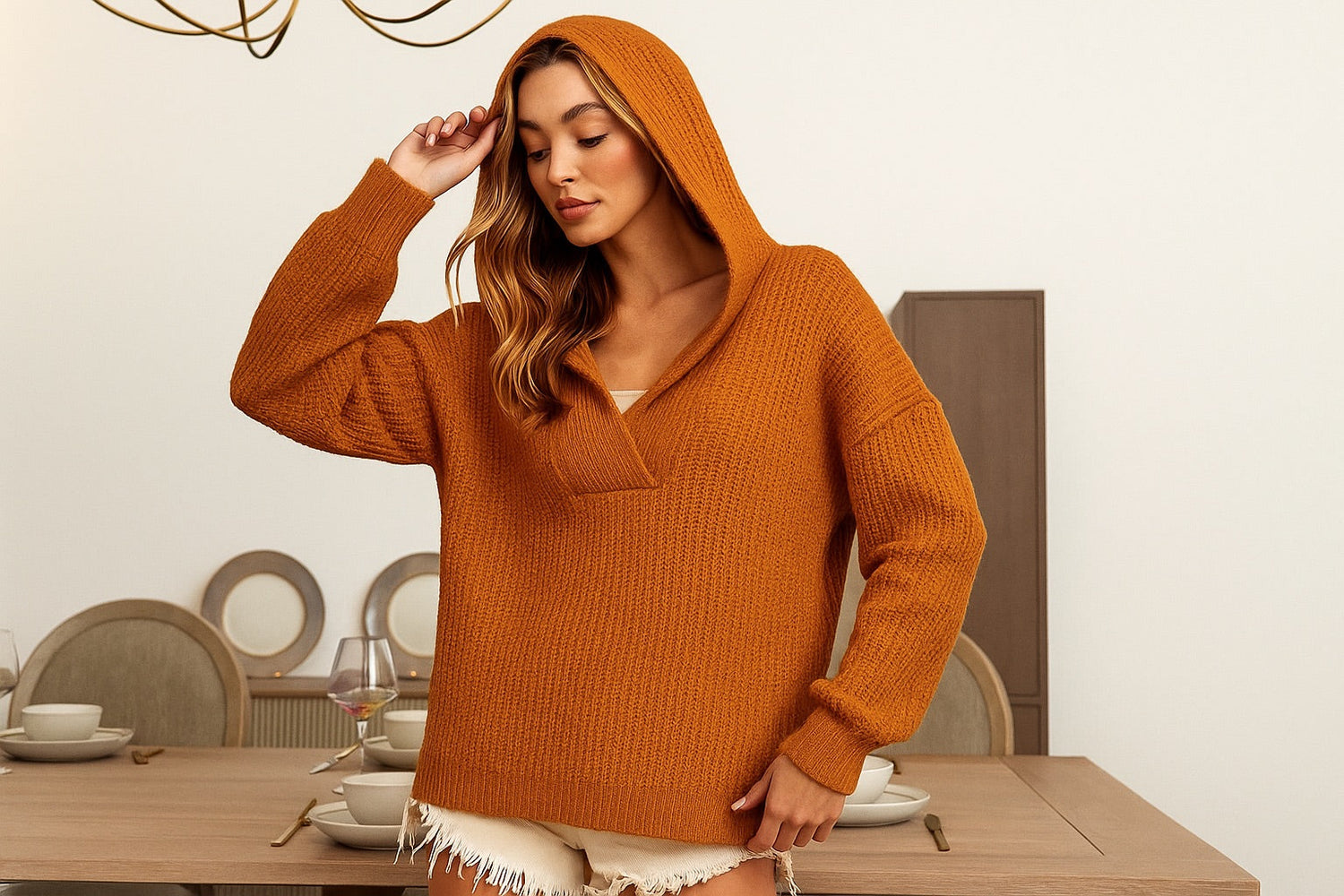
Blouses in lightweight cotton or Tencel are the right move when you need something that reads "dressed" without being formal. Look for loose, flowy cuts rather than structured ones — the structure holds heat. Off-shoulder and flutter-sleeve styles are particularly good in July because they keep your neck and shoulders uncovered, which is where you feel heat most acutely.
One thing to skip: graphic tees in heavy cotton jersey. They're comfortable in theory but feel suffocating past 85°F. If you want a graphic tee in July, look for one in a lighter-weight fabric — under 5oz per yard is the target.
The cover-up problem (and how to solve it)
Most cover-ups are bought for the pool and never worn anywhere else. That's a waste of a piece that could do more work.
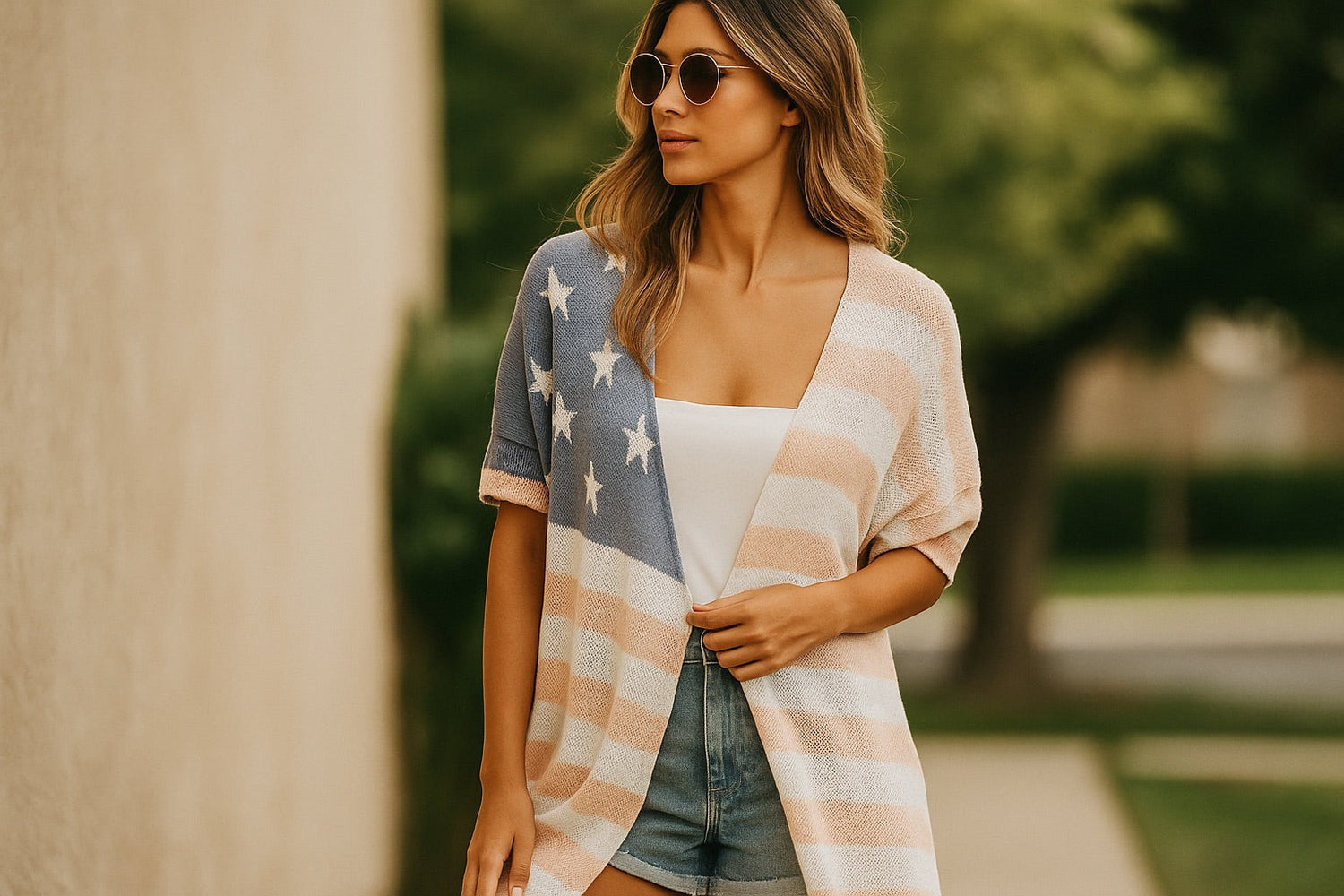
The best July cover-up is one that functions as a standalone outfit. A beach cover-up in a lightweight woven fabric — not the sheer mesh kind, but something with actual opacity — can go from the pool to a casual lunch without a wardrobe change. Add sandals and a crossbody and you're done.
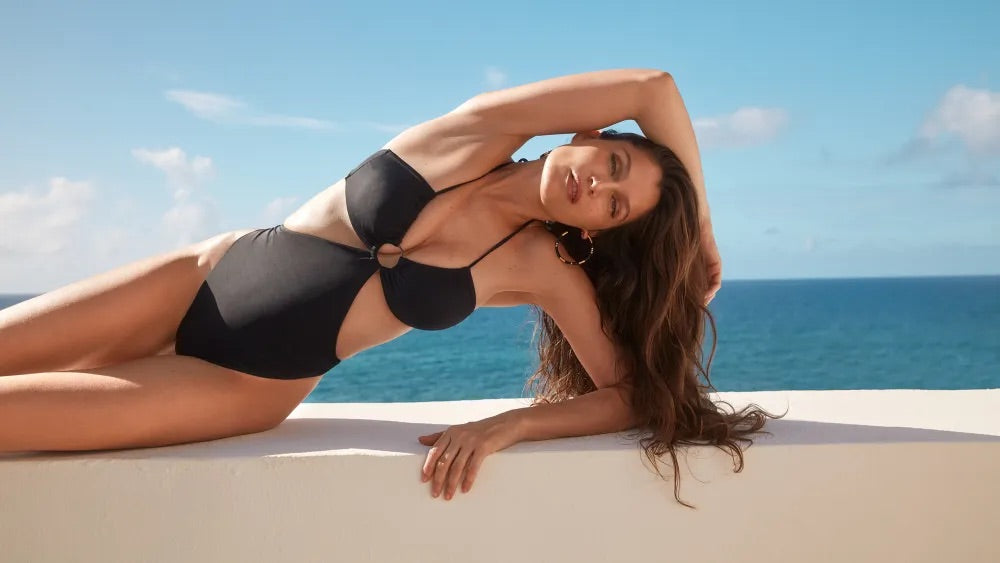
The same logic applies to swim cover-ups in maxi length. A maxi cover-up over a one-piece swimsuit, with flat sandals and a tote, is a complete beach-to-errand outfit. The piece earns its place in your July rotation because it solves two occasions, not one.
What to avoid: cover-ups that are obviously cover-ups. Very sheer fabrics, neon colors, anything with "beach" written on it. These pieces stay at the pool because they can't go anywhere else.
Shoes and bags: the two decisions that change everything
Accessories do more heavy lifting in July than in any other month, because the clothes are so simple. A plain cotton midi dress reads completely differently with leather flat sandals and a structured bag versus rubber flip-flops and a beach tote. Same dress. Entirely different occasion.
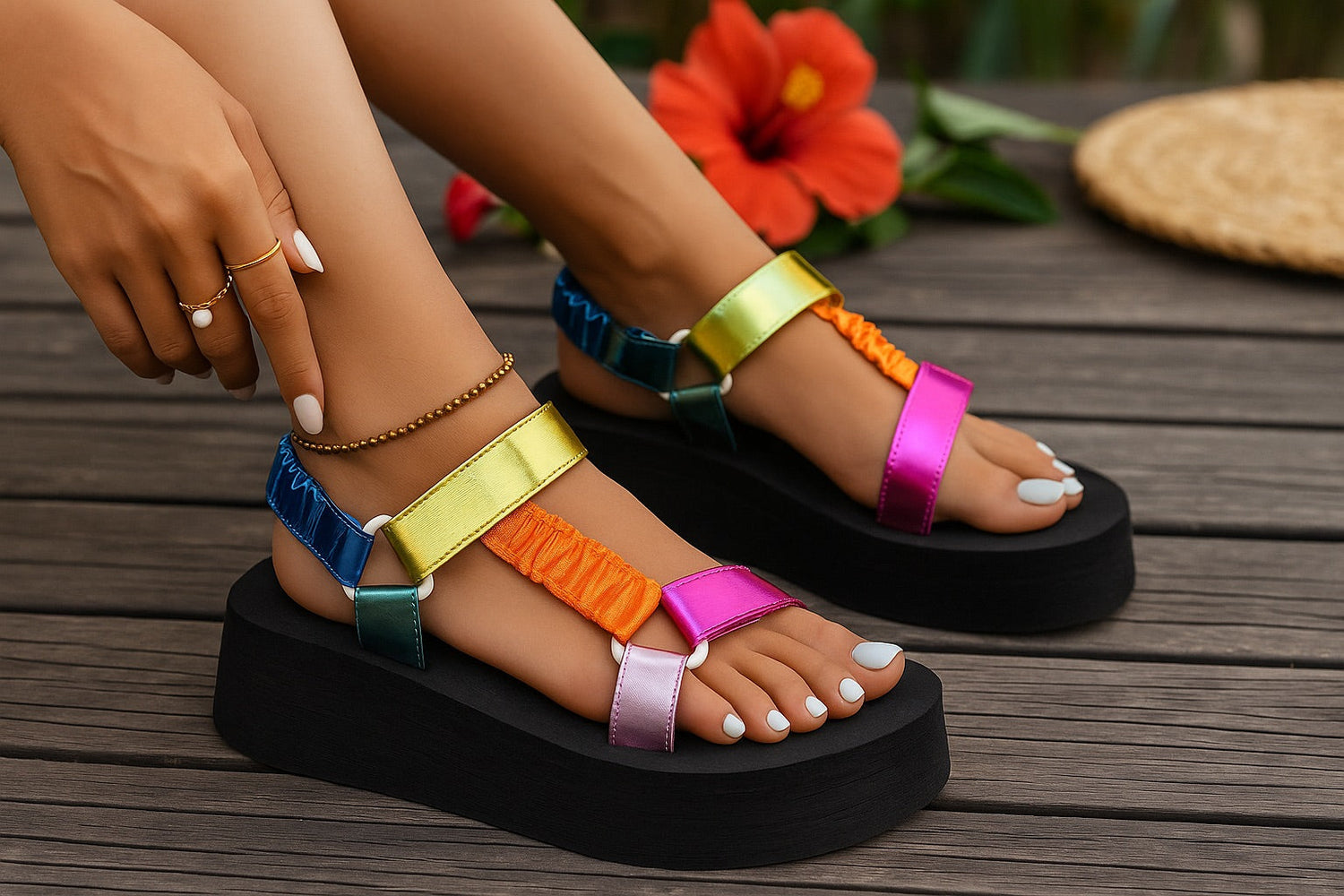
For shoes, flat sandals in leather or leather-look are the July essential. They're comfortable for full days of walking, they dress up and down, and they don't require breaking in. Block-heeled sandals are the right upgrade for evenings — they're stable enough for cobblestones and grass, which stilettos are not. We learned this at a garden wedding in June. The heels sank immediately.
For bags, the choice comes down to daytime versus evening. Daytime: a tote bag large enough for sunscreen, a water bottle, and a light layer. Evening: a crossbody bag small enough that you're not constantly adjusting it. The crossbody is the more important purchase of the two — a good tote is easy to find, but a crossbody that's the right size, the right strap length, and a neutral color is harder to get right.
Sunglasses are not optional in July. Beyond the obvious UV protection, a good pair of sunglasses does about 40% of the styling work in a simple summer outfit. They signal intentionality in a way that's hard to replicate with anything else.
July occasion cheat sheet
Here's how we'd approach the most common July scenarios:
- Outdoor wedding guest: A floral or solid-color midi dress in a breathable fabric, block-heel sandals, small structured bag. Avoid white, ivory, and anything that requires Spanx in the heat.
- Rooftop happy hour: A mini dress or a crop top with a midi skirt, heeled sandals, crossbody. Keep jewelry minimal — one statement earring or a layered necklace, not both.
- Beach or lake day: Swimsuit under a maxi cover-up, flat sandals, oversized tote, sunglasses. Done.
- Casual weekend brunch: A cotton or linen midi dress with flat sandals. No overthinking required.
- Outdoor concert: A mini dress or shorts with a crop top, sneakers (not heels — you'll be standing for hours), small crossbody. See our full outdoor concert outfit guide for more detail.
- Vacation travel day: Wide-leg linen pants, a tank or loose blouse, slip-on sneakers or flat sandals. Comfortable enough for a long flight, put-together enough for wherever you land.
What to skip this month
July is also a good time to be honest about what's not working. A few categories to leave on the rack:
- Heavy denim. Full-length jeans in a 12oz+ denim are miserable past 80°F. If you need denim, go for shorts or a lightweight denim jacket for cooler evenings — not full jeans as a daily driver.
- Structured blazers as a primary layer. A blazer works for a specific office-to-dinner transition, but wearing one through a July afternoon is a commitment to being uncomfortable. A lightweight cardigan or a linen overshirt does the same layering job with less heat.
- Anything that requires dry cleaning. July is hard on clothes — sunscreen, sweat, outdoor dining. Stick to pieces you can wash at home. This is not the month for your silk blouse.
- New shoes that need breaking in. Blisters in July, when you're walking on hot pavement, are significantly worse than blisters in October. Wear what you know works.
The new arrivals worth looking at right now are in our new arrivals collection — we update it weekly, and July's additions skew heavily toward the breathable, the versatile, and the occasion-ready.
Frequently asked questions
What are the best fabrics for July heat?
Linen, cotton, and Tencel are the top three. All three absorb moisture rather than trapping it, which keeps you cooler in high temperatures. Linen is the most breathable but wrinkles visibly — that's the trade-off. Cotton is more wrinkle-resistant and easier to care for. Tencel (lyocell) is the smoothest of the three and drapes well on most body types. Avoid polyester and most synthetic blends above 80°F — they trap heat and don't breathe.
How do you dress for a July outdoor wedding without overheating?
Choose a midi or maxi dress in linen, cotton, or a lightweight crepe. Avoid dark colors in direct sun — they absorb heat. Block-heel sandals over stilettos: grass and heat make stilettos impractical. Keep accessories minimal — heavy jewelry adds warmth. If the ceremony is outside but the reception is indoors with air conditioning, bring a lightweight wrap or linen blazer for the temperature shift.
Can you wear wide-leg pants in July heat?
Yes — but fabric is everything. Wide-leg linen or cotton pants are actually cooler than shorts in direct sun because the loose fabric creates airflow and shields your legs from UV exposure. Wide-leg pants in polyester or thick denim are the opposite: they trap heat and feel suffocating. Look for lightweight wovens under 6oz per yard. Pair with a tank or sleeveless blouse to keep the overall silhouette airy.
What's the one bag worth buying for summer?
A neutral leather or leather-look crossbody in a medium size — large enough for your phone, card, keys, and sunscreen, small enough that you're not dragging it around all day. Black, tan, or white are the most useful colors because they work with everything in a summer wardrobe. A structured crossbody also transitions from daytime to evening better than a tote, which reads too casual for most dinner or rooftop occasions.
How many summer dresses do you actually need?
Three to five covers most people's July calendars: one casual cotton or linen midi for everyday wear, one slightly dressier option for events (a floral midi or a solid-color wrap dress), and one mini or bodycon for evenings. Beyond five, you're adding pieces that overlap with what you already own. The better investment past the core three is in accessories — a new sandal or a different bag changes what your existing dresses look like more efficiently than a fourth dress does.