
July 2026 Style Guide: The Spring Fashion Essentials Still Worth Wearing Right Now
Most spring fashion essentials don't expire in June — they just need re-styling for heat. A floral midi that felt perfect at a May wedding reads completely different with flat sandals and a straw bag in July. The pieces are the same. The context shifts. Below, we walk through the spring buys that carry hardest into summer, how to wear them at 90°F, and what to skip now that temperatures have stopped apologizing.
Why spring pieces work harder in July than you think
The fashion calendar says spring ends in June. Your closet disagrees. Spring collections are designed around one structural idea: transition — pieces light enough for warmth but not built for the full weight of winter. That same logic applies in reverse. A dress cut for 65°F weather performs beautifully at 85°F once you remove the cardigan and swap the boots for sandals.
The pieces that make the jump successfully share three traits: natural fiber content, a silhouette with airflow (A-line, flowy, or smocked rather than bodycon), and a color or print that reads warm-weather. Stiff cotton-poly blends, heavy knits, and anything with a lining are the ones to set aside. Everything else? Still working.
According to Google Trends, searches for "what to wear in summer" peak in the first three weeks of July — not June — which tracks with how most people actually dress: reactively, when the heat arrives. If you bought well in spring, you're already ahead.
The dresses worth reaching for right now
Dresses are the easiest category to transition because they're already a complete outfit. No layering math required. Three silhouettes earn the most wear per square foot of closet space in July:
- Midi dresses in linen or cotton. The length keeps sun off your legs without trapping heat, and natural fibers breathe. Our linen dress edit is restocked weekly through August — linen is the single most-searched fabric in our store between June and September.
- Smocked maxi dresses. The smocked bodice means no zipper, no structure, and a fit that adjusts to bloating, heat, and a beach bag stuffed under your arm. Browse the smocked dress collection for the styles that carry from a morning farmers' market to an afternoon lunch without a wardrobe change.
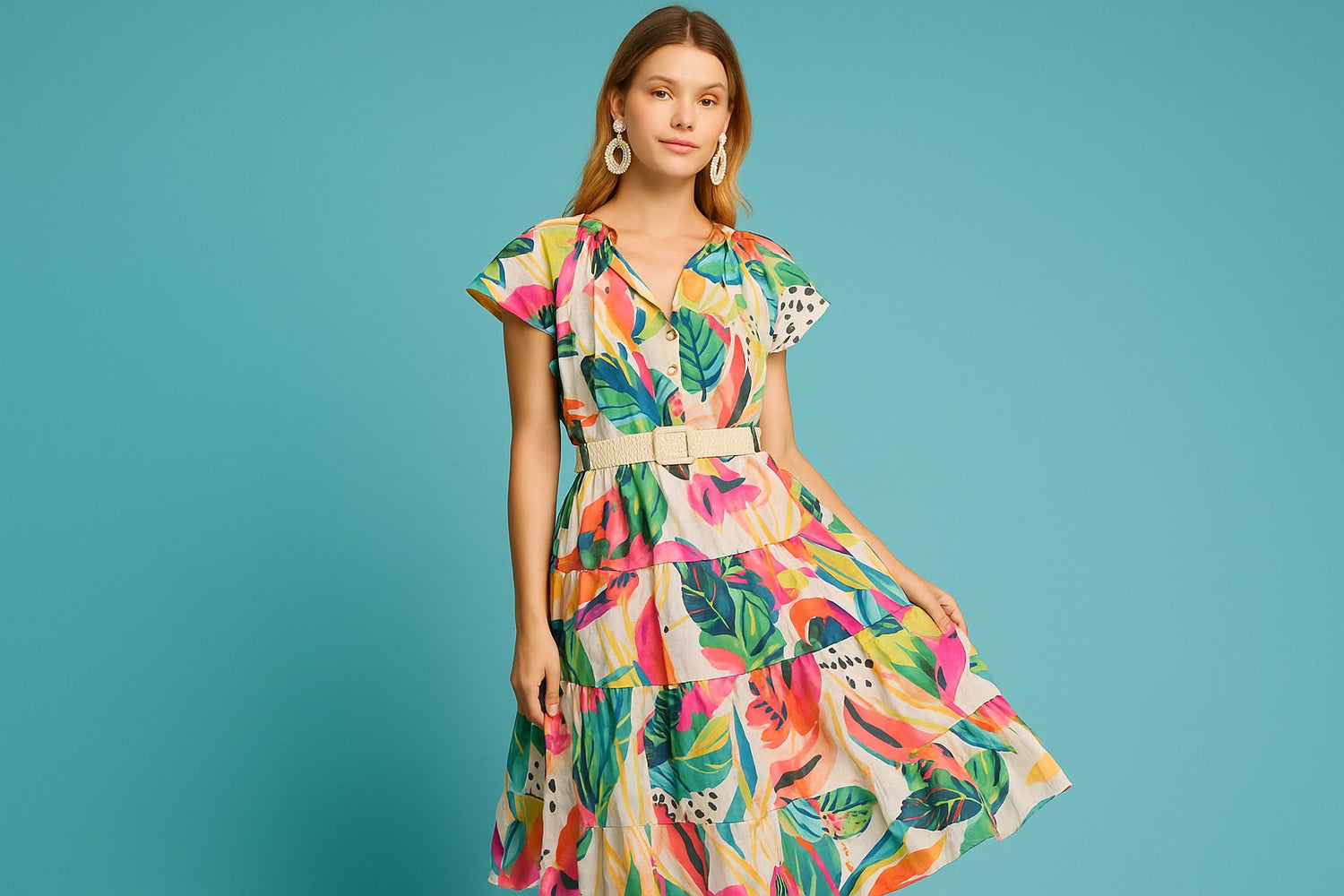
- Floral midi and maxi dresses. Florals aren't a spring-only print — they're a warm-weather print. The difference is scale and color temperature. Small, tight florals on a dark ground read spring. Large, loose florals on cream, white, or sage read July. The floral dress collection has both; the latter is what you want right now.
"The spring dress that gets worn the most in July is almost always the one with the least structure — no boning, no lining, no stiff waistband. Just fabric, a silhouette, and room to breathe."
— Sarah Lin, Livostyle Style Editor
One category to add if you haven't already: white summer dresses. White reflects heat rather than absorbing it — a genuine functional advantage, not just an aesthetic one. A white linen midi is the single most useful piece you can add to a July wardrobe.
Separates: what translates, what doesn't
Not every spring separate survives the temperature jump. Here's the honest breakdown.
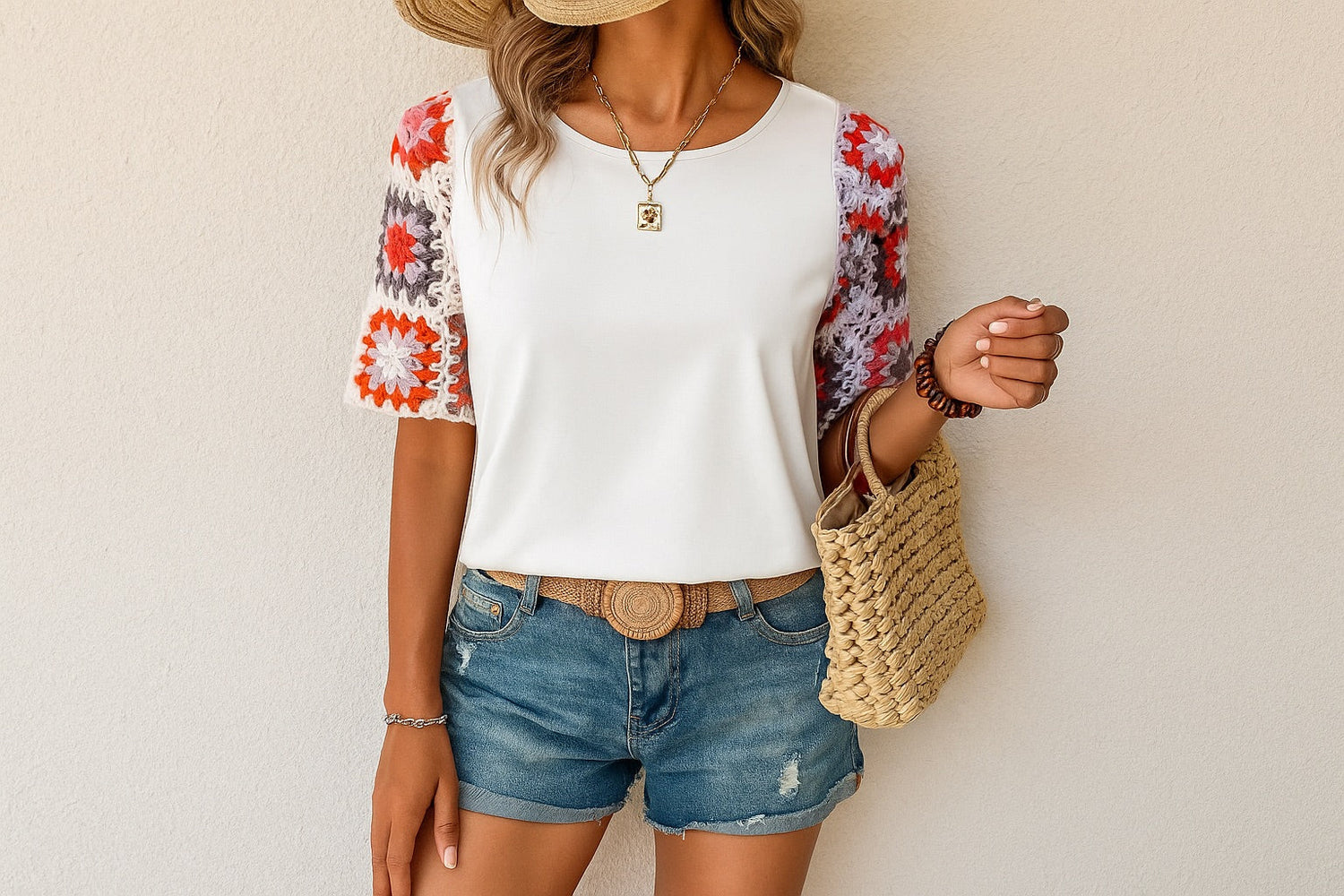
Linen and cotton tops: yes. A lightweight blouse in cotton or linen works through August. Tuck it into a midi skirt or wear it loose over high-waisted shorts. The key is fit — anything cropped or relaxed works; anything that tucks tightly into a waistband traps heat at the torso.
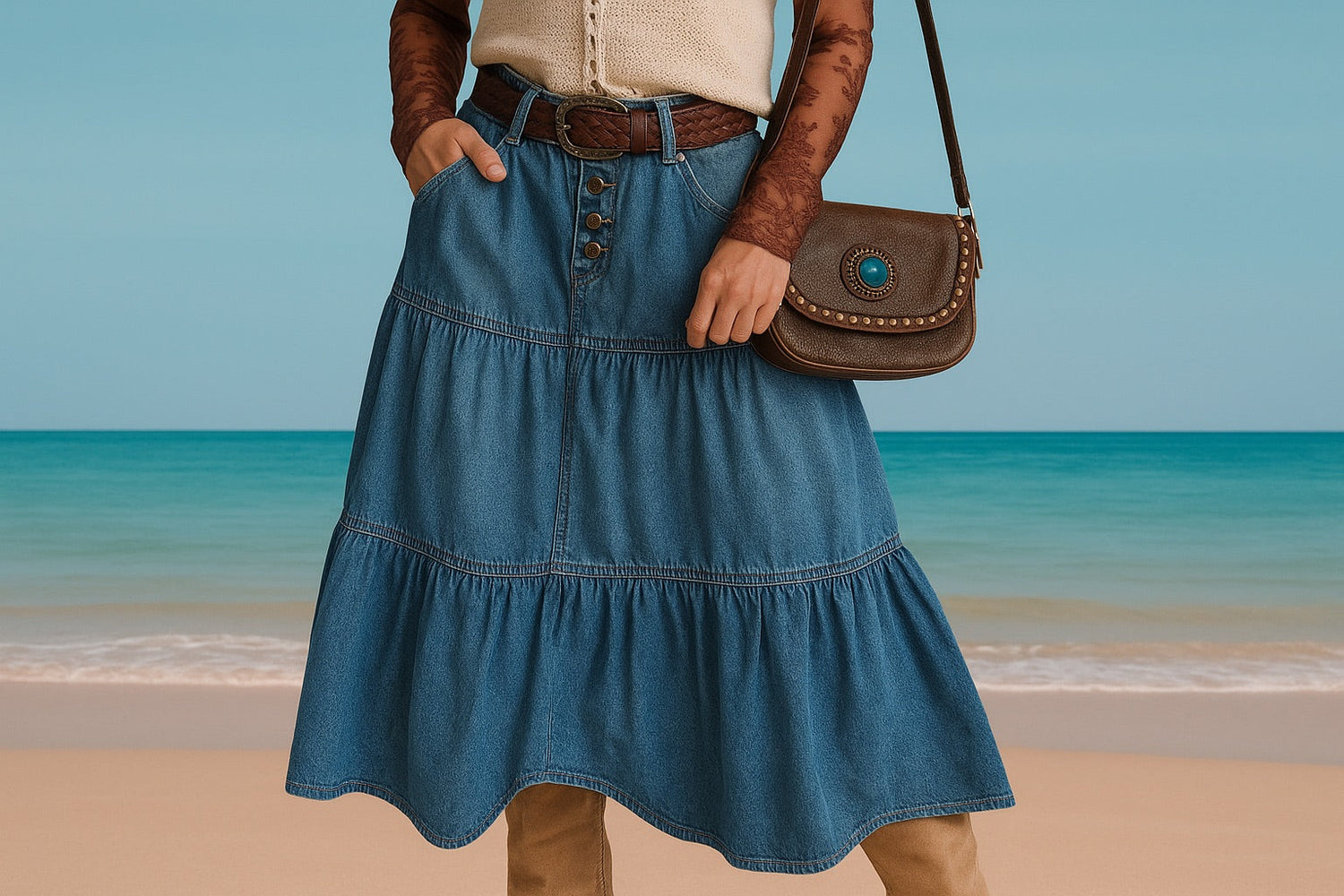
Midi skirts: yes, with the right top. A midi skirt in a woven or flowy fabric pairs with a sleeveless tank or a cropped blouse. The length reads polished; the sleeveless top keeps the temperature manageable. Avoid pairing a midi skirt with a long-sleeve top in July — it reads like you're dressed for two seasons at once.
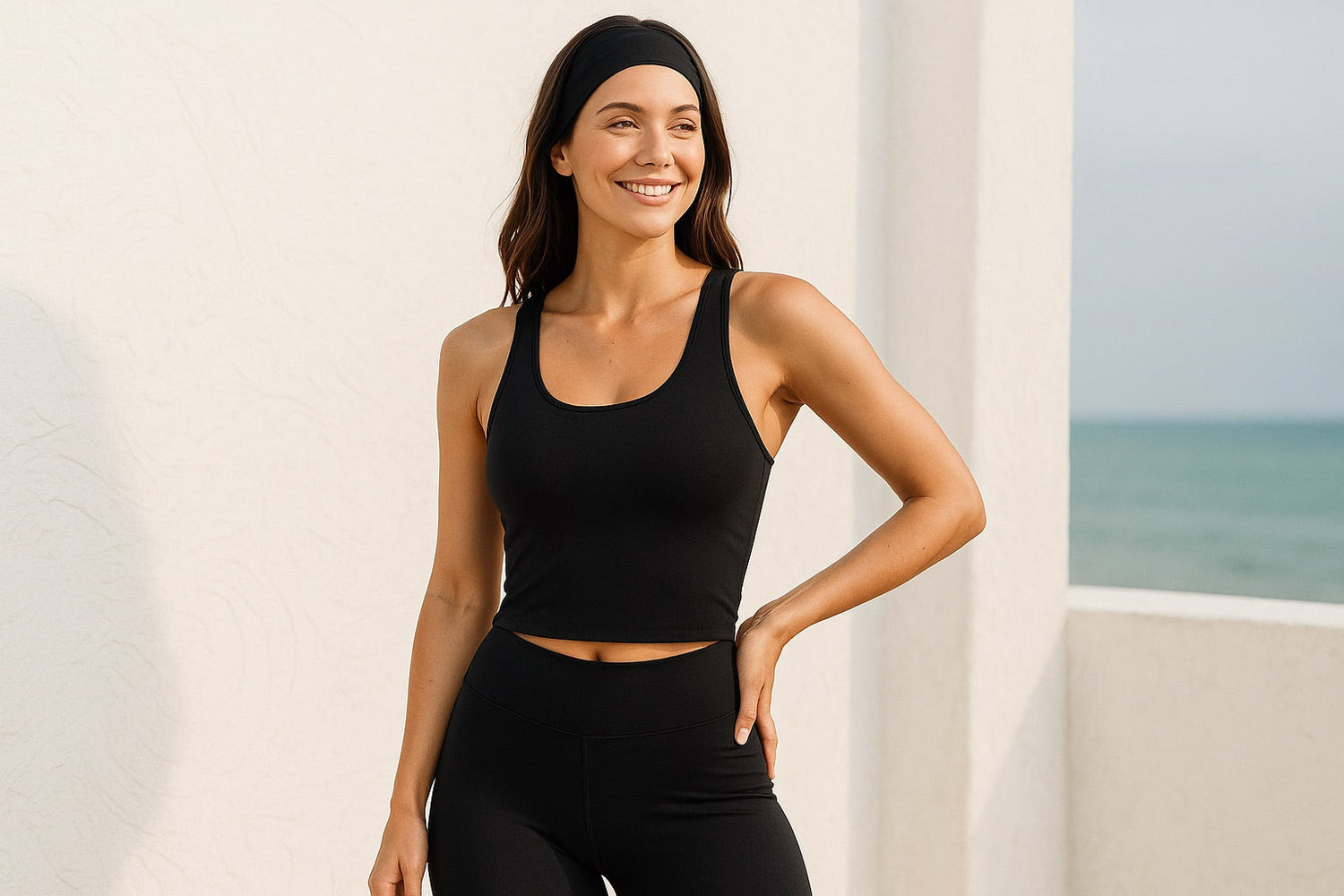
Two-piece sets: depends on the fabric. A matching set in ribbed cotton or linen is one of the strongest July outfits in the store. A set in a thicker knit or a synthetic blend is not. Check the fabric content before you reach for it. Our two-piece sets include both — the linen and cotton options are the ones to prioritize now.
Blazers: mostly no. An unstructured linen blazer over a sundress works at an evening event when the temperature drops. That's the one exception. Structured blazers in wool or poly blends stay in the closet until September.
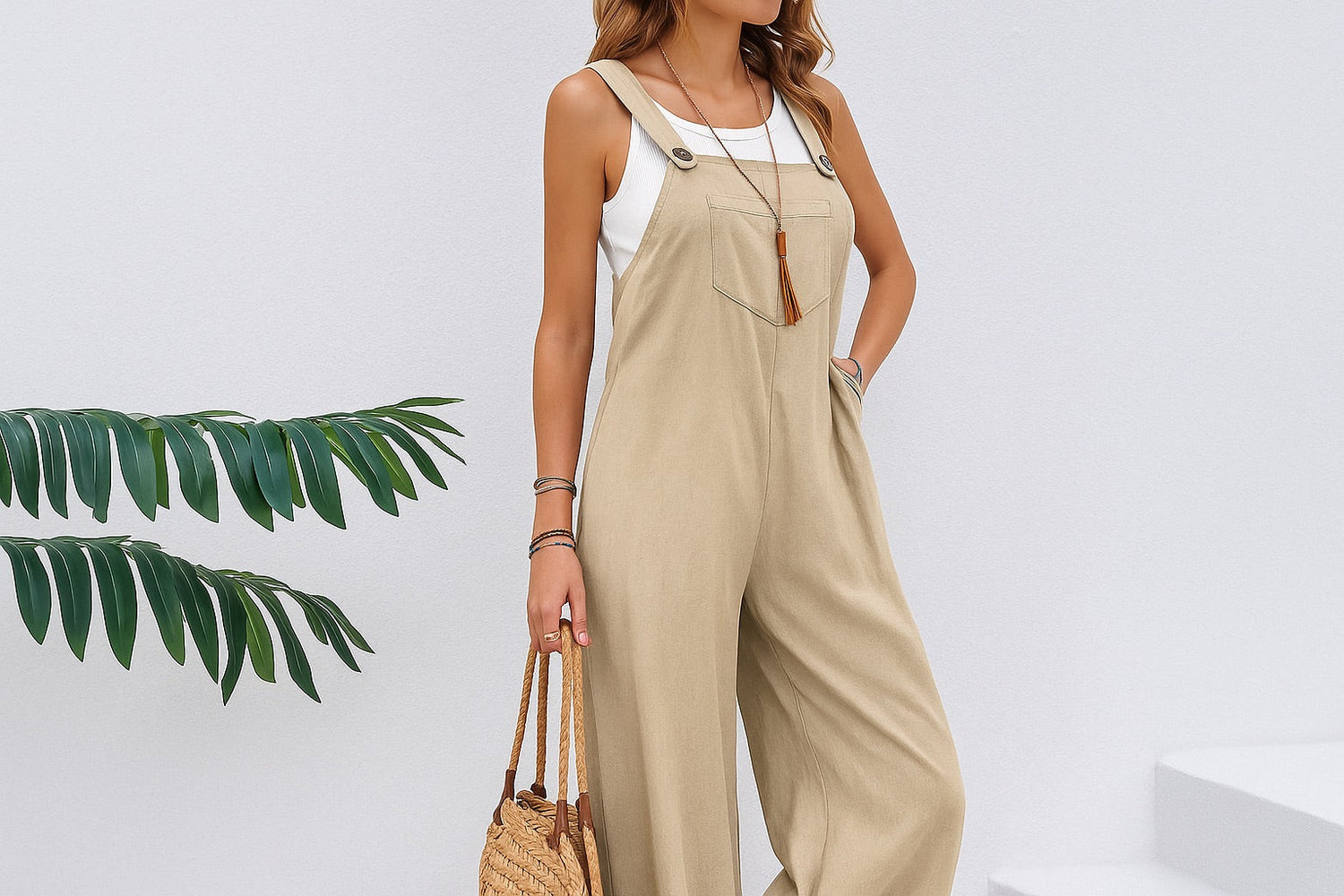
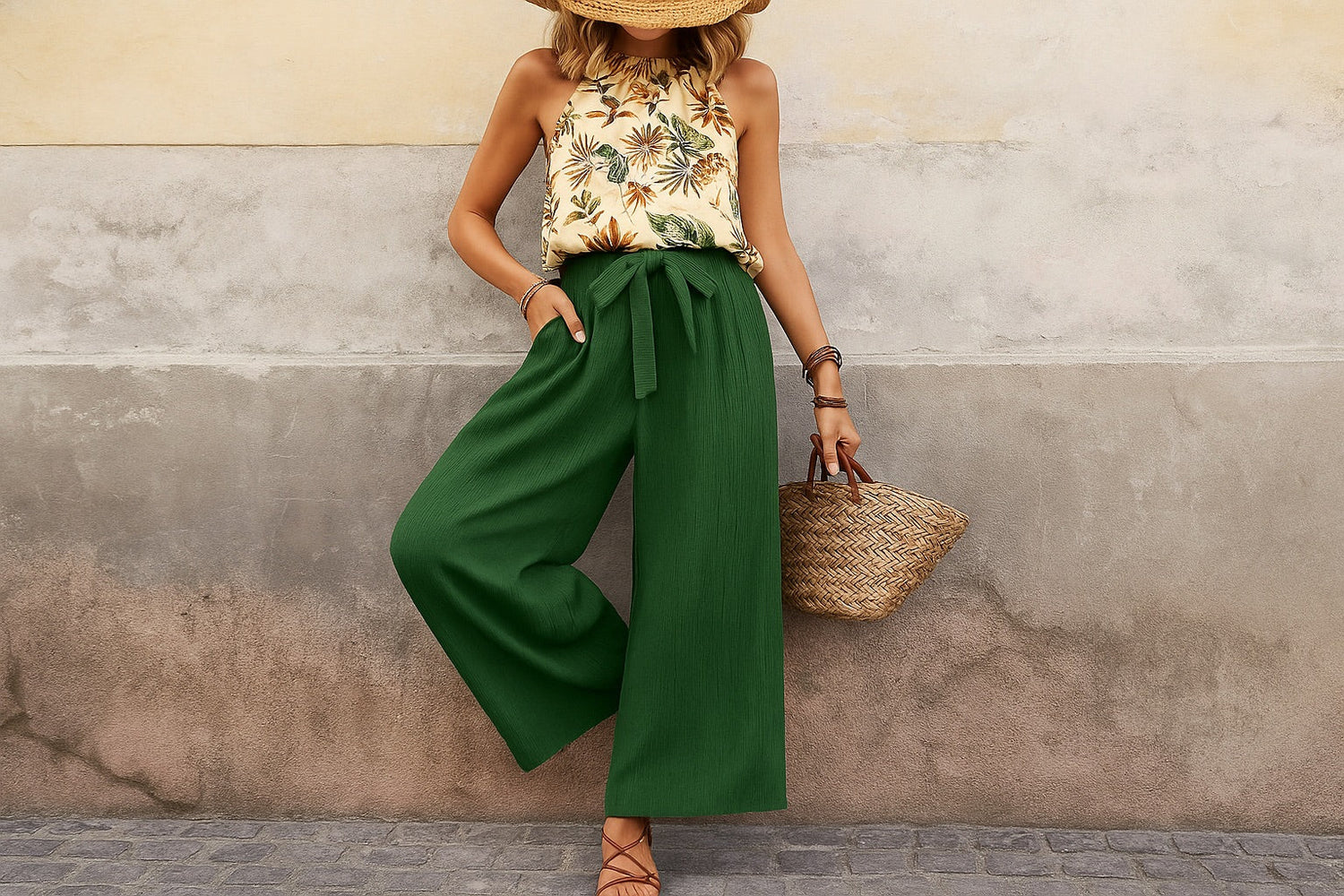
Wide-leg pants: yes. Counterintuitive, but wide-leg pants in linen or cotton actually run cooler than fitted denim shorts in direct sun. The airflow through a wide leg is significant. Pair with a cropped tank and flat sandals and you have a complete July outfit that works for both errands and dinner.
Shoes to pair with spring pieces in peak heat
Spring shoe choices — ankle boots, loafers, mules — mostly don't survive July. Your feet overheat before noon. The swap is simple.
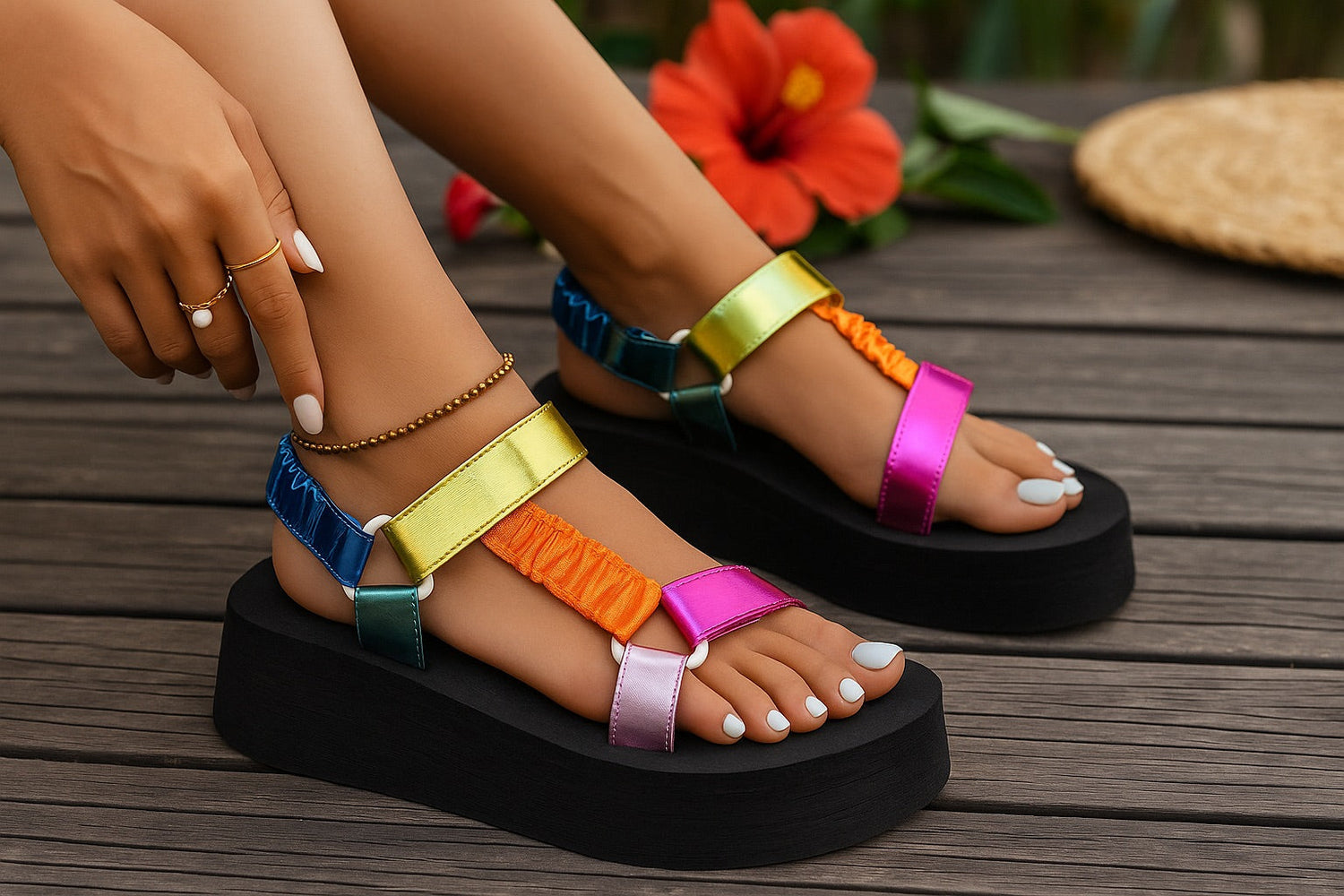
Flat leather sandals are the workhorse. They pair with dresses, skirts, and wide-leg pants equally well, they photograph cleanly, and they don't add visual weight to a light outfit. The sandal collection has both minimalist and strappy options — for daytime, the flatter and simpler the better.
White sneakers work with casual spring pieces — a floral midi, a linen set, a cotton skirt. Keep them low-profile. Chunky sneakers fight the proportion of a long silhouette. See the sneaker collection for the low-profile styles.
Block-heel sandals are the right evening upgrade. They add height without the instability of a stiletto on uneven surfaces — relevant for rooftop bars, outdoor restaurants, and anywhere with pavers. A 2.5-inch block heel is the sweet spot.
One rule: if the shoe has a closed toe and a lining, leave it for September. Heat exits through your feet. Closed footwear in July is working against your body's cooling system.
Accessories that finish the look without overheating you
July accessorizing is about addition by subtraction. The goal is one or two pieces that read finished — not a full jewelry stack that gets uncomfortable by 11am.
Sunglasses. Non-negotiable and the fastest way to make any outfit look intentional. A pair of oversized frames does more styling work than any necklace. Browse the sunglasses collection and pick one pair that works with your most-worn dresses — then stop there.
A tote bag. Summer requires carrying more: sunscreen, a water bottle, a cover-up. A structured canvas or woven tote handles the load without fighting the outfit. The tote bag collection has options that work from the farmers' market to a beach lunch.
Gold jewelry, minimal. One pair of hoop earrings or a single layered necklace. Gold reads warm-weather in a way silver doesn't. Keep it to one or two pieces — more than that and it starts to feel heavy in the heat.
A hat. Practical and stylish, which is a rare combination. A wide-brim straw hat or a structured bucket hat works with almost any summer outfit and protects your face and shoulders from direct sun. The hat collection has both — the straw styles are the ones worth reaching for in July.
What to leave in the closet until September
Editing out is as important as knowing what to reach for. These are the spring pieces that don't make the July jump:
- Lined dresses in any fabric. The lining traps heat against your body. No amount of styling fixes this.
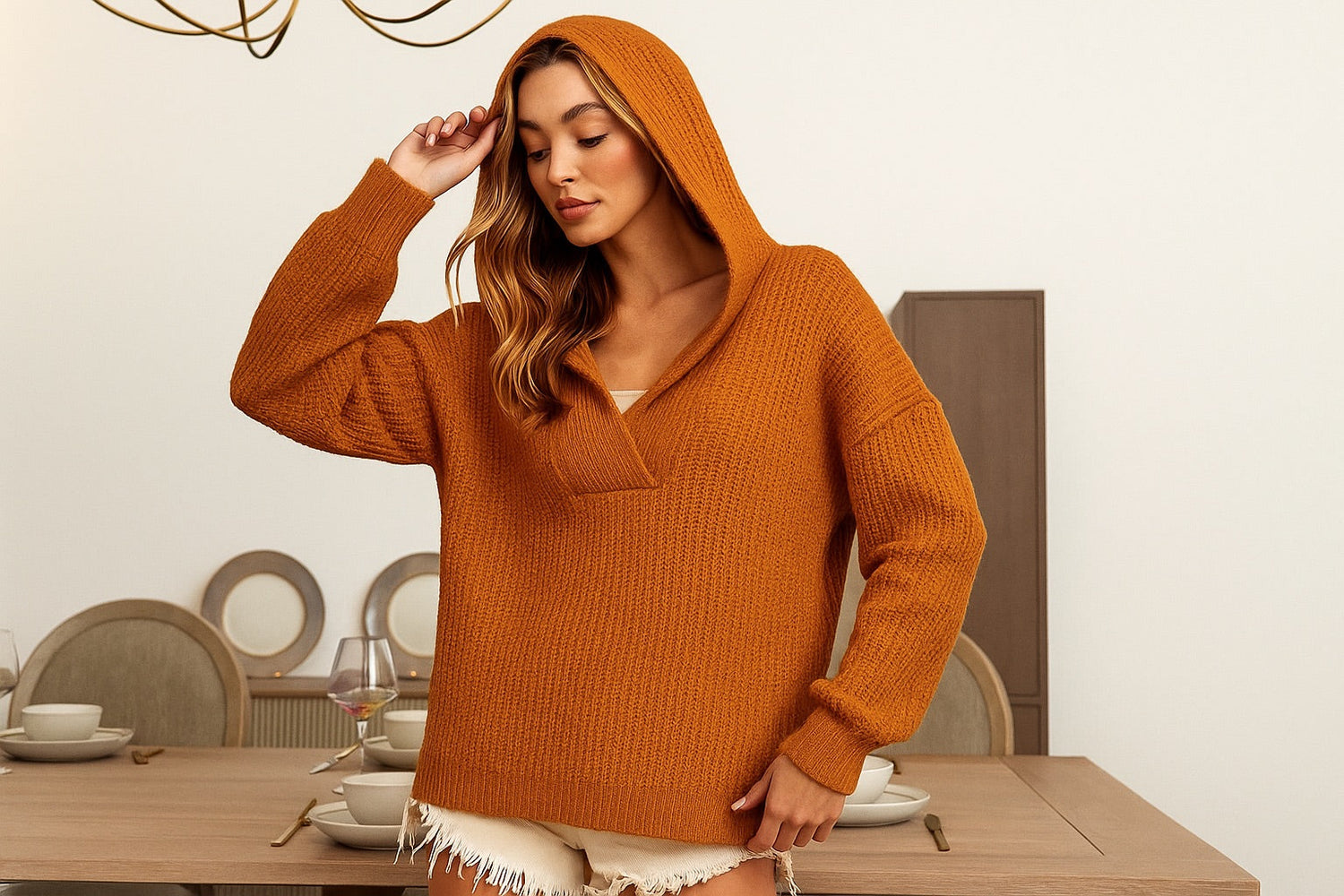
- Thick ribbed knits. A lightweight ribbed cotton is fine. A 12oz ribbed knit that held shape beautifully in April is miserable in July.
- Denim jackets as a layer. A denim jacket works for 60°F evenings in April. In July, it comes off within 15 minutes and then you're carrying it all day.
- Anything with sleeves past the elbow for daytime. Long-sleeve tops and dresses are evening-only in July, and only if the venue is air-conditioned.
- Dark-ground prints in synthetic fabrics. Dark colors absorb heat; synthetic fabrics don't breathe. The combination is uncomfortable enough to make you not want to wear the piece — which means it won't get worn, regardless of how good it looks.
3 outfit formulas for the rest of July
These are the combinations that work for the specific events July produces: outdoor lunches, casual evening dinners, and the general category of "somewhere between errands and a real occasion."
Formula 1 — The all-day dress. A floral or solid linen maxi dress + flat leather sandals + straw tote + oversized sunglasses. No jewelry required. This outfit works from 10am to 8pm without adjustment. It's the formula we recommend to anyone who wants to get dressed once and stay comfortable all day.
Formula 2 — The elevated casual. A linen or cotton midi skirt + sleeveless blouse or fitted tank + block-heel sandals + hoop earrings. The heel and the earrings do the work of making this feel intentional. Everything else stays light. Works for a lunch that might turn into cocktails.
Formula 3 — The set. A linen or cotton two-piece set (matching shorts or wide-leg pants + cropped top) + white sneakers + a crossbody bag. This is the formula for a day that involves walking — a market, a neighborhood, a long lunch with a lot of ground to cover. The matching set reads pulled-together without requiring any additional styling decisions. Explore the full new arrivals for the sets and dresses landing now.
Frequently asked questions
Which spring fabrics actually work in July heat?
Linen, cotton, and Tencel are the three that hold up. Linen is the most breathable — it wicks moisture and dries quickly, which is why it dominates warm-weather dressing. Cotton works well in lighter weights (under 6oz). Tencel (lyocell) is the smoothest option and drapes beautifully in heat. Avoid polyester, nylon, and any synthetic blend in direct sun — they trap heat and don't wick moisture effectively.
Can you wear floral prints past spring?
Yes. Florals are a warm-weather print category, not a spring-only one. The distinction is scale and ground color: large, loose florals on a light ground (cream, white, sage) read summer. Small, dense florals on a dark ground read spring or fall. In July, reach for the larger, airier florals in your closet and leave the dark-ground styles for September.
How do you make a spring midi dress work for a July evening event?
Swap the shoes and the bag. A midi dress that read daytime-casual in April becomes evening-appropriate in July with block-heel sandals, a small structured clutch, and one piece of gold jewelry. You don't need a new dress — you need a different accessory context. If the venue is outdoors and warm, skip any wrap or jacket entirely; the dress does the work on its own.
What's the best color palette for July outfits?
Light, warm, and reflective. White, cream, sage, terracotta, dusty blue, and pale yellow all work well in July — they reflect heat rather than absorbing it, and they photograph cleanly in bright outdoor light. Dark colors (navy, black, deep burgundy) absorb heat and tend to look heavier in summer light. Save the darker palette for fall, when the light quality changes and cooler temperatures make them comfortable again.
Are two-piece sets a good July investment?
In the right fabric, yes. A linen or lightweight cotton set gives you a complete outfit with no styling decisions — the matching pieces do the work. They also pack well for travel, which makes them useful for any July trips. The one caveat: check the fabric content before buying. A two-piece set in a thick knit or synthetic blend is uncomfortable in peak heat, regardless of how it looks on the hanger.