
Heatwave Dressing: The Fabrics That Actually Keep You Cool
When the heat index pushes past 95°F, fabric choice stops being a style decision and starts being a comfort one. The wrong material — a polyester blend, a tight synthetic jersey — traps heat against your skin and keeps it there. The right one wicks, releases, and lets air move. Below, we break down exactly which fabrics do that job and which ones only look like they do.
Why fabric is the only heatwave variable you can control
You can't control the temperature. You can control what's touching your skin. That's the whole argument for thinking carefully about fiber content before a heat advisory — not after you're already sweating through a dress you can't take off.
Fabrics regulate body temperature through two mechanisms: moisture absorption (how much sweat the fiber takes in) and moisture release (how fast it lets that sweat evaporate). A fabric that absorbs well but releases slowly keeps you damp. A fabric that releases fast but absorbs nothing just lets sweat sit on your skin. The best heatwave fabrics do both — and they do it without clinging.
Color plays a secondary role: lighter colors reflect radiant heat, darker ones absorb it. But a white polyester dress is still worse than a navy linen one. Fiber first, color second.
Linen: the benchmark
Linen is woven from flax fibers, which are hollow. That hollow structure allows air to move through the weave, which is why linen feels cooler than its weight suggests. It absorbs up to 20% of its own weight in moisture before it starts to feel damp — and then it dries fast, typically within 20–30 minutes in open air (CELC, European Confederation of Linen and Hemp).
The tradeoff is wrinkles. Linen creases because the fiber is stiff and low in elasticity. That's not a defect — it's the physics of the material. A linen dress will look different at 4pm than it did at 9am. If that bothers you, buy a linen-cotton blend (usually 55% linen / 45% cotton), which wrinkles less while keeping most of the breathability. If it doesn't bother you, pure linen is the most breathable woven fabric available at a normal price point.
Best for: linen dresses, wide-leg pants, loose blouses. Avoid linen in tight, fitted silhouettes — the stiffness reads as structured, not relaxed, and it won't drape the way you want.
"Linen is the fabric I recommend first for anyone building a warm-weather wardrobe. It's one of the few materials that genuinely gets better with age — softer, more broken-in — and the environmental case for it is strong too. Linen production uses 75% less water than cotton and requires no irrigation in most European growing regions."
— Lena Park, Livostyle Care & Materials Editor
Cotton: not all cotton is equal
Cotton is the most-worn fiber in the world, and for good reason: it's soft, absorbent, and widely available. But "cotton" covers a wide range of fabric constructions, and they don't all perform the same in heat.
- Cotton voile and cotton lawn: lightweight, open-weave constructions that breathe well. These are the cotton fabrics that work in a heatwave.
- Cotton poplin: tightly woven, less breathable. Fine for mild heat, uncomfortable above 90°F.
- Cotton jersey: the fabric of most T-shirts. Stretchy, comfortable, but it clings when damp and takes longer to dry than woven cottons. Acceptable for casual wear, not ideal for all-day heatwave dressing.
- Cotton canvas or twill: too heavy. Save it for fall.
The label "100% cotton" tells you the fiber but not the construction. Check the weight (measured in grams per square meter, or GSM) when possible. Under 120 GSM is lightweight; 120–180 GSM is mid-weight. For heatwave dressing, stay under 130 GSM in cotton.
Our summer dresses and beach dresses include several cotton voile and cotton lawn options — look for the fabric description in the product details before buying.
Tencel lyocell: the science-backed option
Tencel is a brand name for lyocell, a fiber made from wood pulp (usually eucalyptus) through a closed-loop process that recaptures 99% of the solvent used. It's the most technically impressive of the breathable fabrics, and it shows in wear.
Lyocell fibers have a nanofibril structure that channels moisture away from the skin faster than cotton. In independent textile testing, Tencel lyocell shows a moisture-wicking rate approximately 50% faster than standard cotton jersey (Lenzing AG, 2023). It also has a natural temperature-regulating property — the fiber stays cooler than the ambient air in dry heat, which is the opposite of what polyester does.
The feel is smooth, almost silk-like, with a slight drape. It doesn't wrinkle as aggressively as linen. It does require gentler washing — cold water, low spin, hang to dry. Tumble drying Tencel shortens its life significantly.
Best for: midi dresses, maxi dresses, and any silhouette where drape matters. Tencel holds a fluid shape better than linen or cotton.
Modal: the softest of the four
Modal is another wood-pulp fiber (usually beech), similar to Tencel in origin but processed differently. The result is a fabric that's even softer than Tencel — often compared to cashmere in hand feel — with good moisture absorption and faster drying than cotton.
Modal breathes well but not quite as well as linen or Tencel in extreme heat. Where it wins is comfort against skin. For anyone with heat-sensitive skin or conditions like eczema, modal is often the most wearable option because it has no rough texture and minimal friction. It's also resistant to shrinkage, which makes care easier.
You'll find modal most often in loungewear sets, tank tops, and sleeveless tops — categories where next-to-skin softness matters more than structured drape.
For a deeper look at how modal compares to cotton in real wear, see our article Modal Fabric Explained: Why It Beats Cotton in 90°F Heat.
Fabrics to avoid above 85°F
This is the list most brands don't publish, because most brands sell a lot of polyester.
- Polyester: synthetic, petroleum-derived, and hydrophobic — it repels moisture rather than absorbing it. Sweat sits on your skin. In direct sun, polyester fabric can reach temperatures 10–15°F above ambient air (American Journal of Human Biology, 2021). Avoid it in heat unless the garment is specifically engineered with moisture-wicking treatment (activewear grade).
- Nylon: similar to polyester in heat performance. Fine for swimwear (where it dries fast from water), not fine for dresses or tops in a heatwave.
- Rayon / viscose: a complicated middle case. Standard viscose is made from wood pulp but processed with chemicals that affect its structure. It's more breathable than polyester but absorbs moisture slowly and loses its shape when wet. A viscose dress in a rainstorm or heavy sweat is a different garment than when you put it on. Proceed with awareness.
- Acrylic: the synthetic wool substitute. Warm, not breathable. Never in summer.
Check the care label before you buy. "Polyester blend" is common in dresses marketed as "flowy" or "lightweight" — the marketing language doesn't reflect the fiber content. A 60% polyester / 40% rayon blend is not a breathable summer dress regardless of how it's described.
Construction matters as much as fiber
Even the best fiber performs differently depending on how the fabric is made. Two construction details to look for:
Open weave vs. tight weave. An open weave (like linen gauze or cotton voile) allows air to pass through the fabric itself. A tight weave (like cotton poplin or canvas) blocks air even if the fiber is breathable. Open weave is cooler, but it's also sheerer — plan your undergarment accordingly.
Loose silhouette vs. fitted. A fitted dress in linen still breathes better than a fitted dress in polyester, but a loose silhouette in linen is cooler than both. Air circulation between fabric and skin is part of the cooling mechanism. Fitted fabrics eliminate that gap. In a genuine heatwave, a loose boho maxi dress in linen or cotton voile outperforms a fitted midi in the same fiber.
Lining. A lined dress is warmer than an unlined one, regardless of fiber. If breathability is the priority, look for unlined or self-lined garments (where the lining is the same fabric as the shell).
Building a heatwave wardrobe from scratch
Five pieces cover most situations above 90°F:
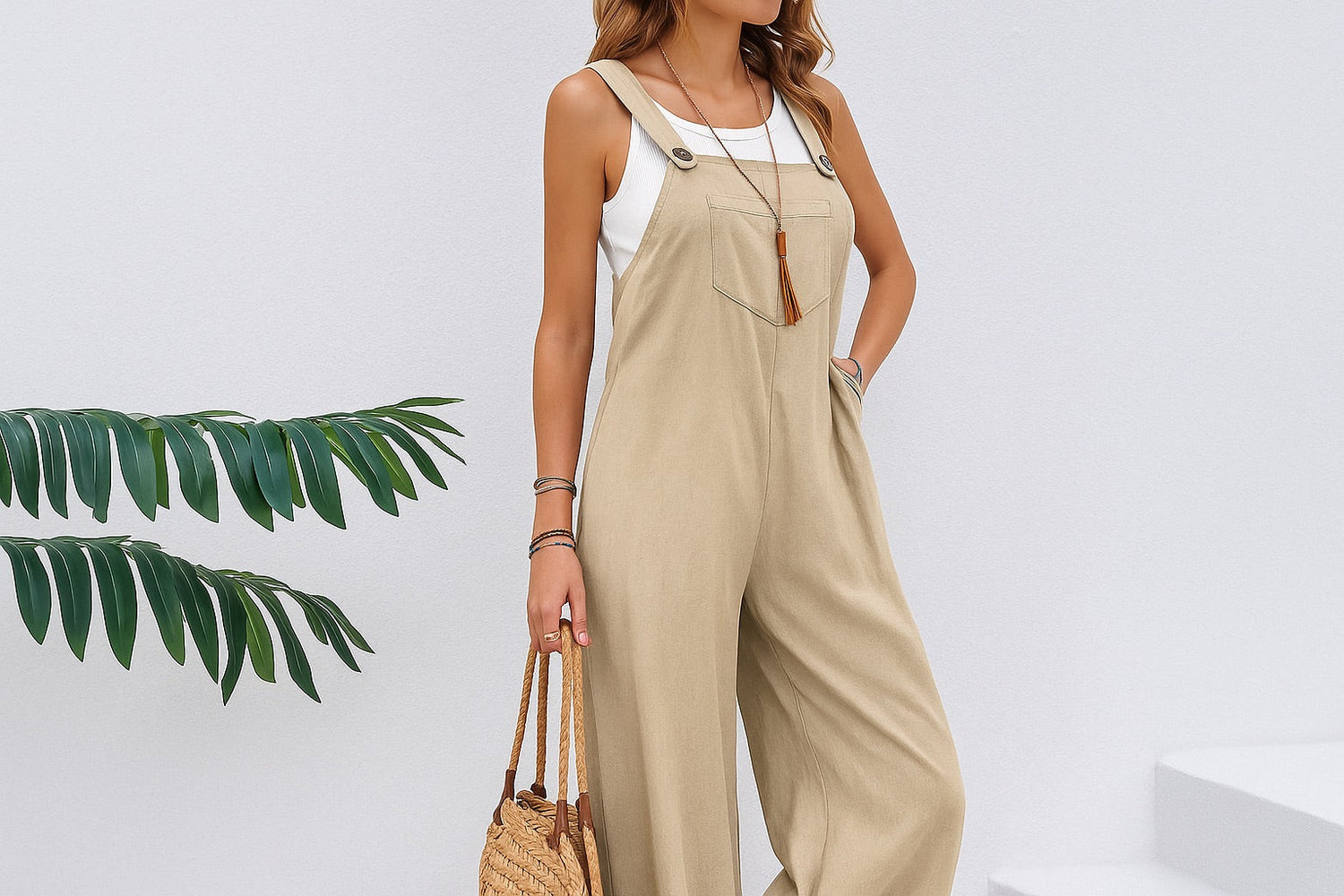
- One loose linen dress. Midi or maxi length, unlined, in a neutral or light color. This is the workhorse. It goes from errands to dinner with a sandal swap. Browse the linen dress edit and filter by loose or relaxed fit.
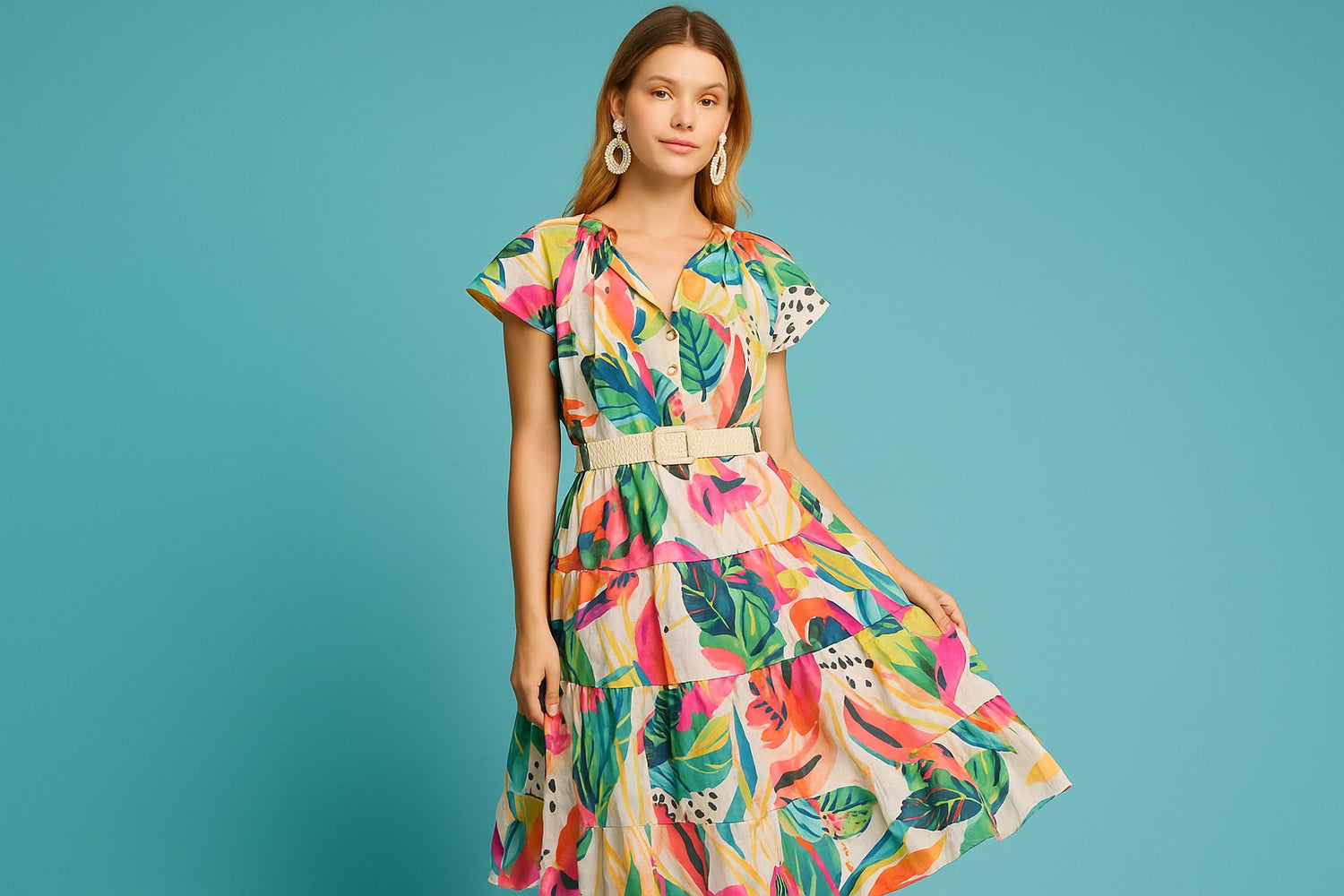
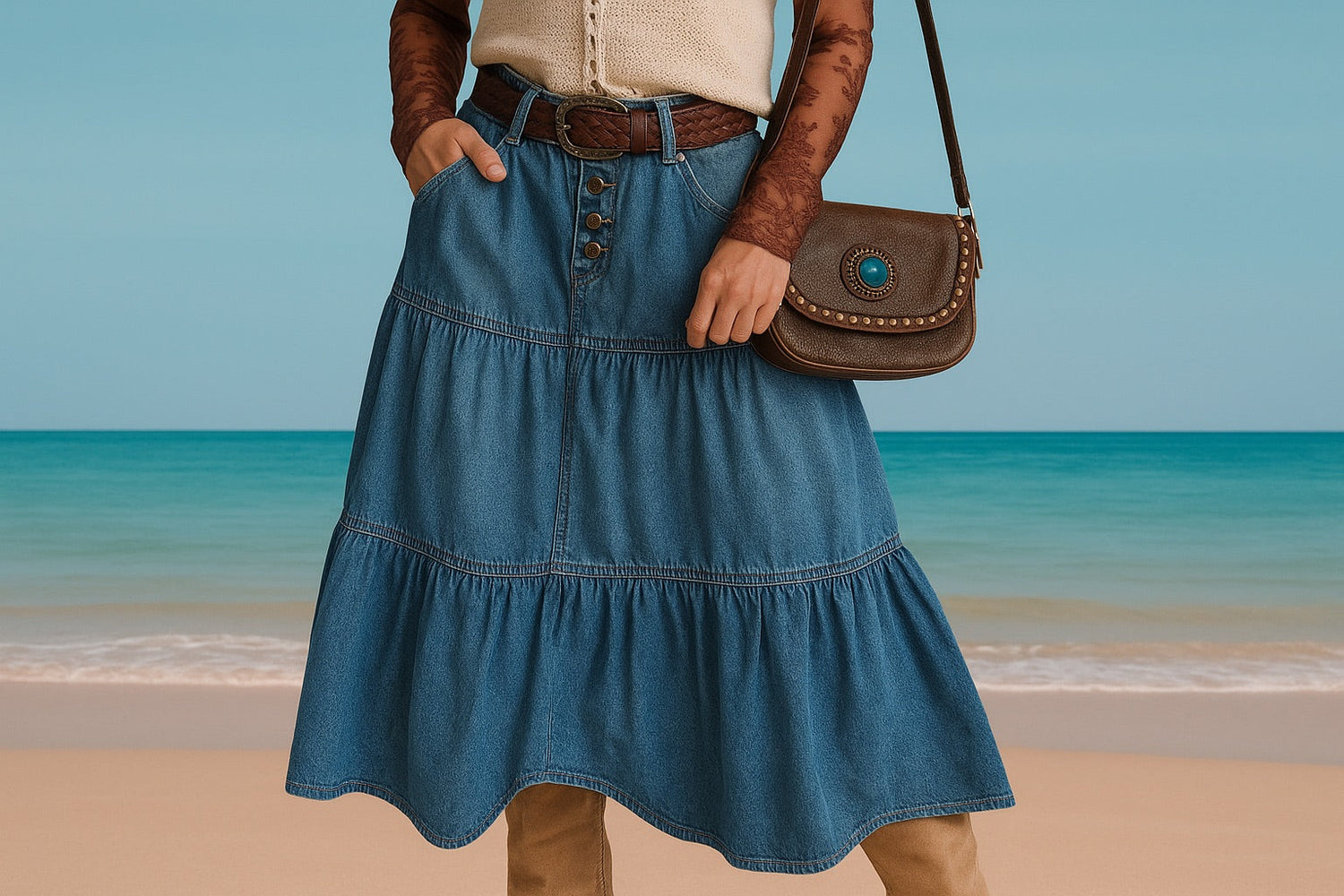
- One cotton voile or Tencel midi. For days when you need slightly more polish — office-adjacent settings, lunches where linen's wrinkle factor feels like too much. The midi dress collection includes several Tencel and cotton options worth checking.
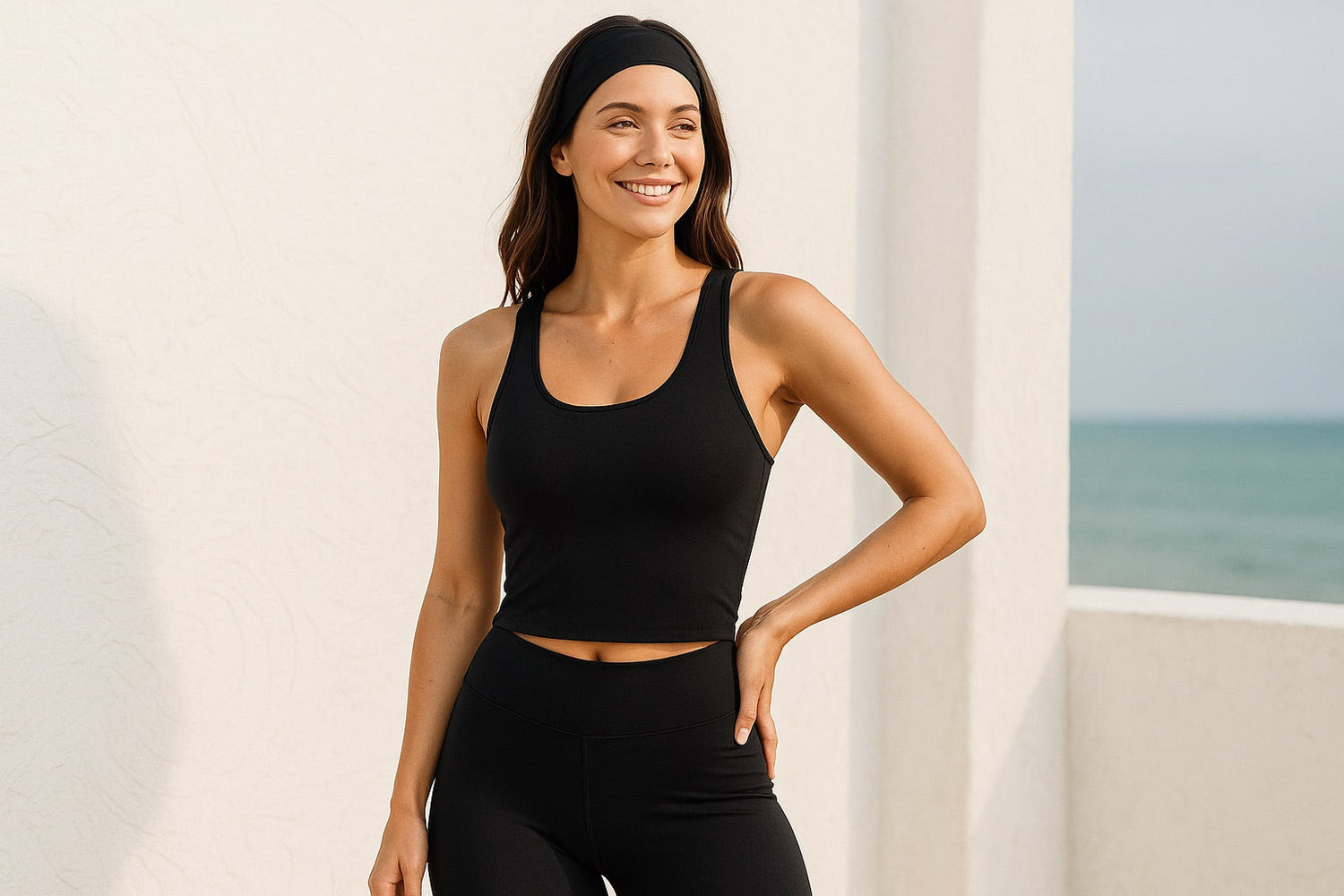
- Two modal or cotton tank tops. The foundation layer. Wear under an open linen shirt, alone with wide-leg pants, or tucked into a midi skirt. The sleeveless tops edit is where to start.
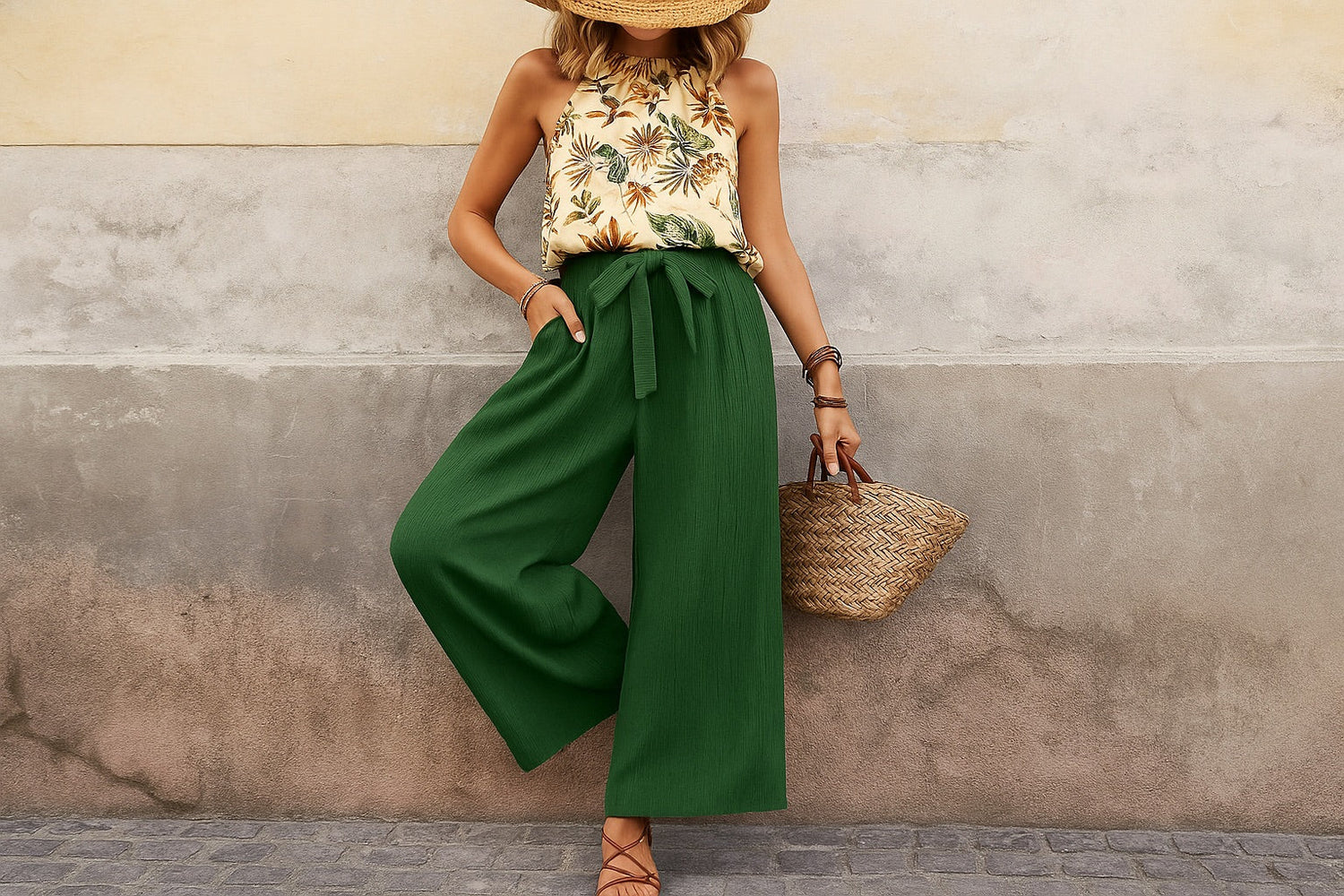
- One pair of wide-leg linen or cotton pants. For days when a dress isn't right. Wide-leg cuts allow air circulation; fitted cuts don't. See the wide-leg pants collection for current options.
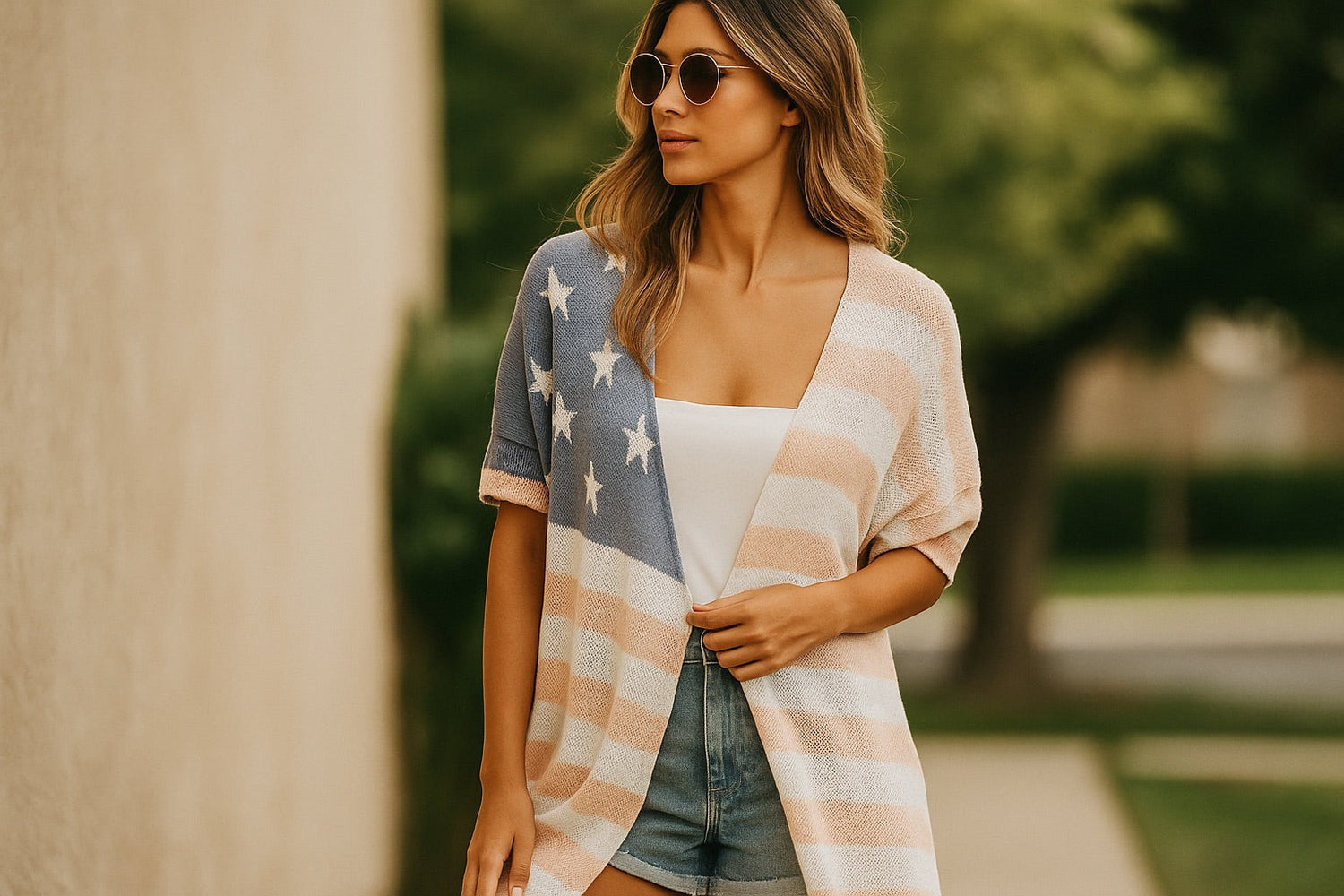
- One lightweight cover-up. For air-conditioned spaces where the heatwave wardrobe suddenly reads as underdressed. A cotton or linen kimono-style cover-up solves this without adding meaningful warmth.
That's it. Five pieces, all in breathable fibers, all in silhouettes that allow air movement. The rest of the heatwave wardrobe builds from there.
Caring for breathable fabrics so they last
Breathable fabrics are often more delicate than synthetics. A few rules that apply across all four of the fibers above:
- Wash cold, always. Hot water shrinks linen and cotton, degrades Tencel's structure, and pills modal. Cold water extends the life of every breathable fabric.
- Skip the dryer when possible. Tumble drying accelerates fiber breakdown. Hang linen, Tencel, and modal to dry — they dry quickly in summer air anyway. Cotton jersey can tolerate low-heat drying, but air drying is still better.
- Don't wring Tencel or modal when wet. Both fabrics lose structural integrity when twisted under tension while saturated. Press out water gently and hang immediately.
- Treat sweat stains within 24 hours. Sweat is mildly acidic and degrades natural fibers over time if left to set. A cold rinse or spot treatment within a day prevents permanent yellowing, especially on white and light-colored linen.
- Store linen folded, not hung. Long-term hanging stretches linen at the shoulders. Fold and store flat or in a drawer.
For cotton-specific care, our article What 'Cool Cotton' Actually Means goes deeper on washing, drying, and fabric treatments worth knowing.
Frequently asked questions
What is the coolest fabric for a heatwave?
Linen is the most breathable woven fabric available at a standard price point. It absorbs up to 20% of its weight in moisture and dries fast. Tencel lyocell is the closest alternative with better drape and less wrinkling — it wicks moisture approximately 50% faster than standard cotton jersey. For everyday wear above 90°F, either of these is the right choice.
Is polyester OK to wear in summer if it's marketed as "breathable"?
Only if it's specifically engineered activewear with a moisture-wicking treatment — the kind designed for running or gym use. Standard polyester, including "lightweight" or "flowy" polyester used in fashion dresses, is hydrophobic and traps heat. The marketing language doesn't change the fiber's physical properties. Check the care label: if it says 100% polyester and it's not activewear, it won't breathe in a heatwave.
Does linen get softer over time, or does it stay stiff?
It gets softer. Linen fibers break down slightly with each wash and wear cycle, which is why a linen dress in its third season feels different from one fresh off the rack. This is a feature, not a defect. To accelerate the softening, wash more frequently (cold water, gentle cycle) and skip the dryer — air drying preserves the fiber structure while still allowing it to break in naturally.
Can I wear a maxi dress in a heatwave without overheating?
Yes — length is less relevant than fiber and construction. A loose linen or cotton voile maxi dress is cooler than a fitted cotton jersey mini, because the loose silhouette allows air circulation between the fabric and your legs. The key variables are fiber (natural over synthetic), weave (open over tight), and fit (loose over fitted). Length alone doesn't determine how hot you'll be.
What's the difference between Tencel and modal?
Both are wood-pulp fibers, but they come from different sources and have different structures. Tencel (lyocell) uses eucalyptus pulp and a closed-loop solvent process; it has a slightly crisper hand and excellent moisture-wicking speed. Modal uses beech pulp and a different process; the result is softer and more flexible, with slightly less moisture-wicking efficiency. For heatwave performance, Tencel has a technical edge. For next-to-skin comfort and softness, modal wins.