
What to Wear on a Boat Day: The Complete Outfit Guide
A boat day has exactly one style rule that actually matters: dress for the water, not the dock. Everything else — the cover-up you packed, the sandals you chose, the bag you grabbed on the way out — should work around that central fact. Wind happens. Spray happens. The sun at 1pm on open water is not the same sun as a rooftop at 1pm. Below, we break down what to wear on a boat from the swimsuit foundation up, for every kind of water day on your summer calendar.
The foundation: choosing the right swimsuit
The swimsuit is not an accessory here — it's the outfit. Everything else layers on top of it, so the fit has to be right before you think about anything else.
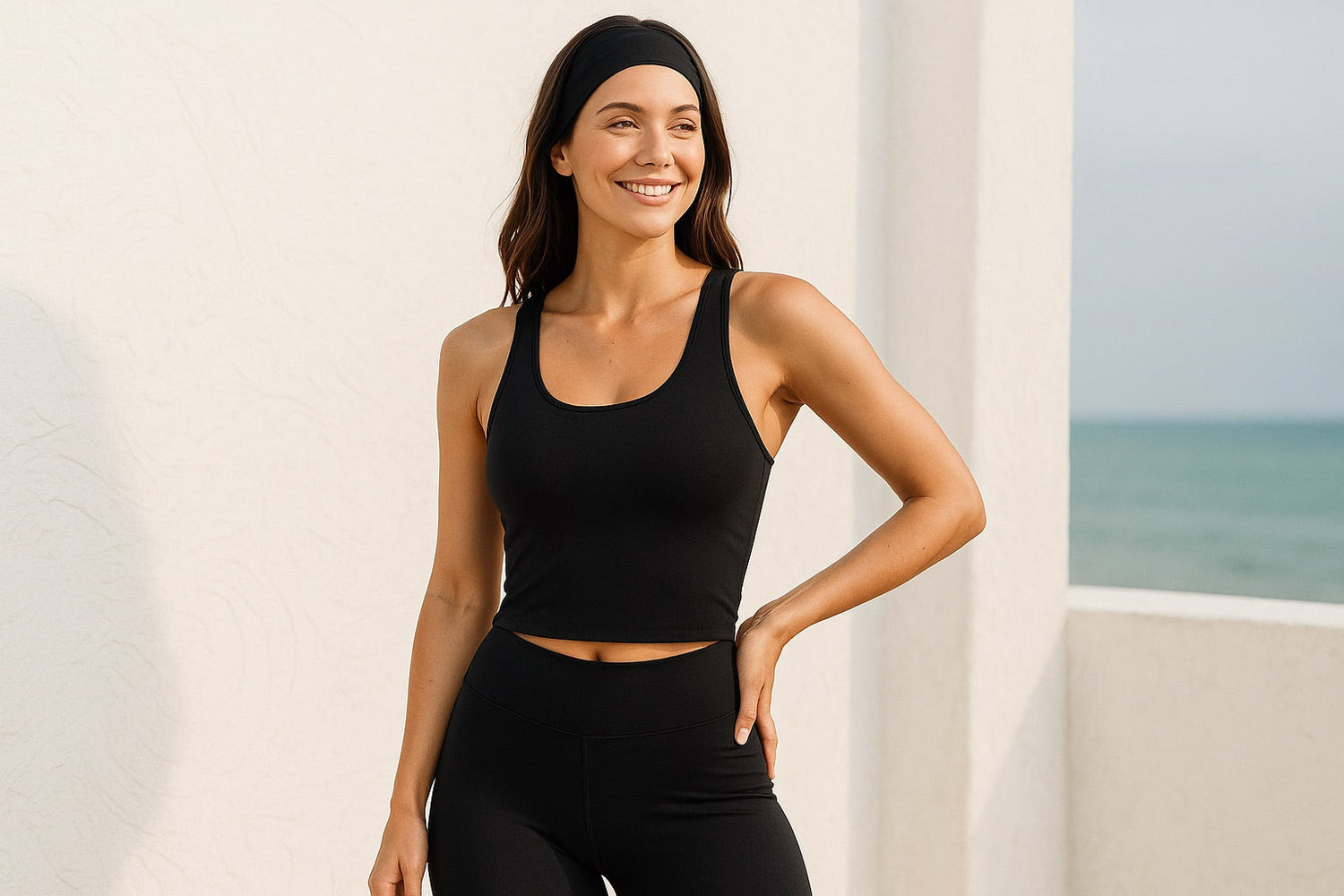
For a boat day specifically, a one-piece or a high-waist bikini outperforms a standard triangle top in two situations: when you're actually getting in the water (jumping, swimming, pulling yourself back on board), and when you're sitting for long stretches in the sun. Both scenarios involve movement and position changes that a poorly fitted top won't survive gracefully. Our one-piece swimsuits and high-waist bikinis are the two categories we'd point to first.
That said, a classic bikini works perfectly well if the fit is secure. Look for adjustable ties at the back and neck rather than fixed-band tops — you can tighten them before any activity. Underwire on a boat is a personal call, but most women find a soft-cup or bralette-style more comfortable over four or five hours.
Color: darker swimsuits show saltwater residue less than white or pale pink. If you're on a boat with an engine, light-colored suits also pick up any incidental fuel spray more visibly. Navy, black, deep terracotta, and forest green are the practical choices. Save the white suit for the pool.
"The most common boat-day mistake we see is a swimsuit that fits perfectly standing still but shifts the moment someone moves. Try sitting down, reaching overhead, and bending forward before you commit to a suit for a full day on the water."
— Sarah Lin, Livostyle Style Editor
Cover-ups that actually work on a boat
The cover-up is where most boat-day outfits either succeed or fall apart. Two things disqualify a cover-up immediately: fabric that takes forever to dry, and a silhouette that catches wind like a sail.
The best fabrics for boat cover-ups are cotton gauze, crinkle rayon, and lightweight linen. All three dry within 20–30 minutes of getting wet, breathe in direct sun, and pack down small enough to stuff in a tote. Avoid terry cloth (heavy when wet, slow to dry) and anything with embellishment — sequins, beading, heavy embroidery — that snags on hardware.
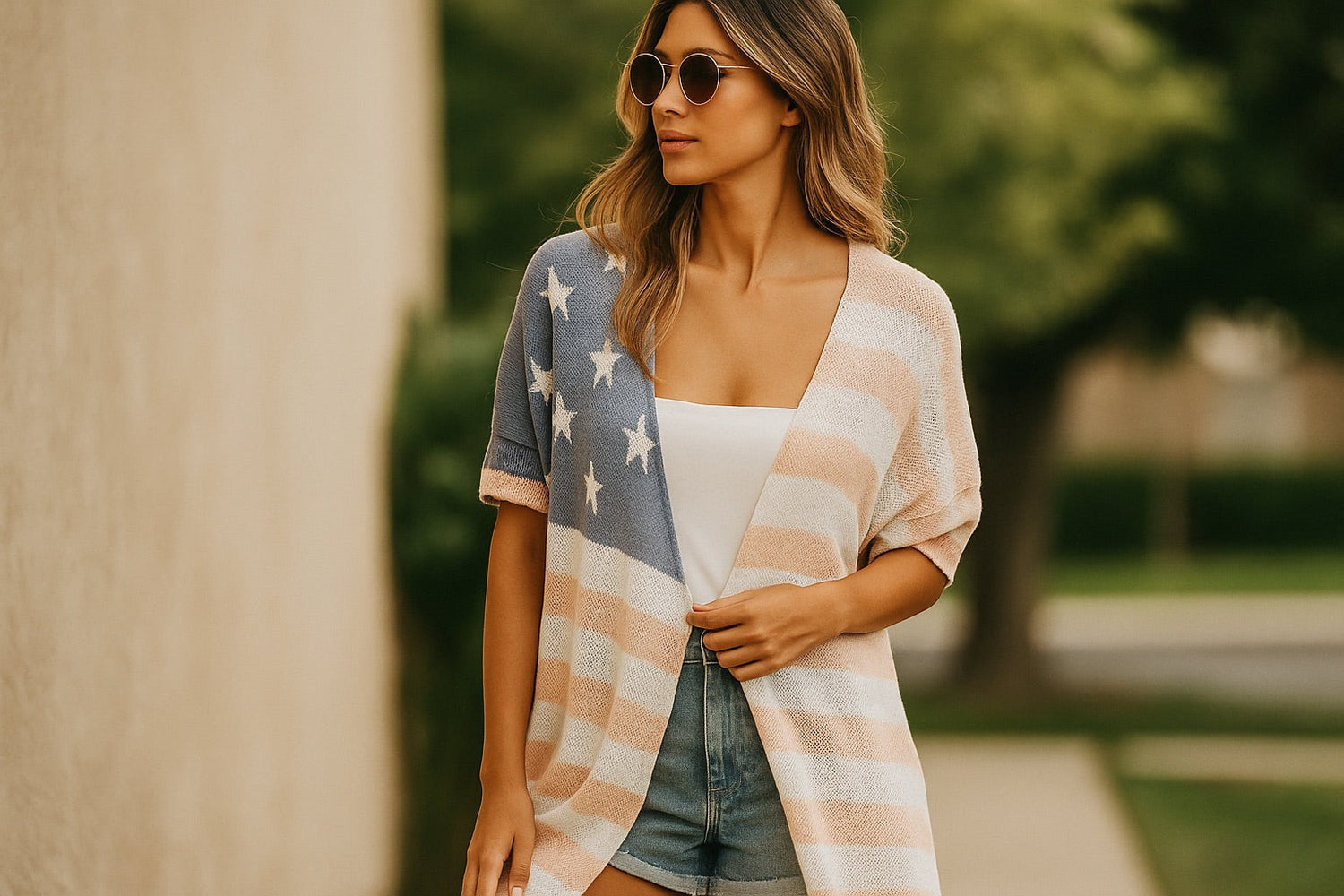
Silhouette matters too. A long flowing maxi cover-up looks good on the dock. On a moving boat with 15 knots of wind, it wraps around your legs and becomes a tripping hazard. The shapes that work: a short kaftan hitting mid-thigh, a button-down shirt worn open over the suit, or a fitted tank dress short enough to stay put. Browse our beach cover-ups and swim cover-ups with this in mind — shorter and more structured wins on the water.
If the day involves a sunset dinner at a marina restaurant, a beach dress in a slightly dressier fabric — a crinkle satin or a smocked cotton — transitions from boat to table without requiring a full outfit change. Pack it separately and pull it on when you dock.
Shoes for the deck
Boat shoes exist for a reason: the rubber soles grip wet fiberglass without marking the deck. But you don't need to own a pair of traditional deck shoes. Any flat rubber-soled sandal does the same job.
The non-negotiables: flat sole, rubber or synthetic grip, and a secure strap. Our sandals collection has several styles that fit this brief — look specifically for anything with a back strap or ankle strap. A slide that slips off your heel is a liability on a moving boat.
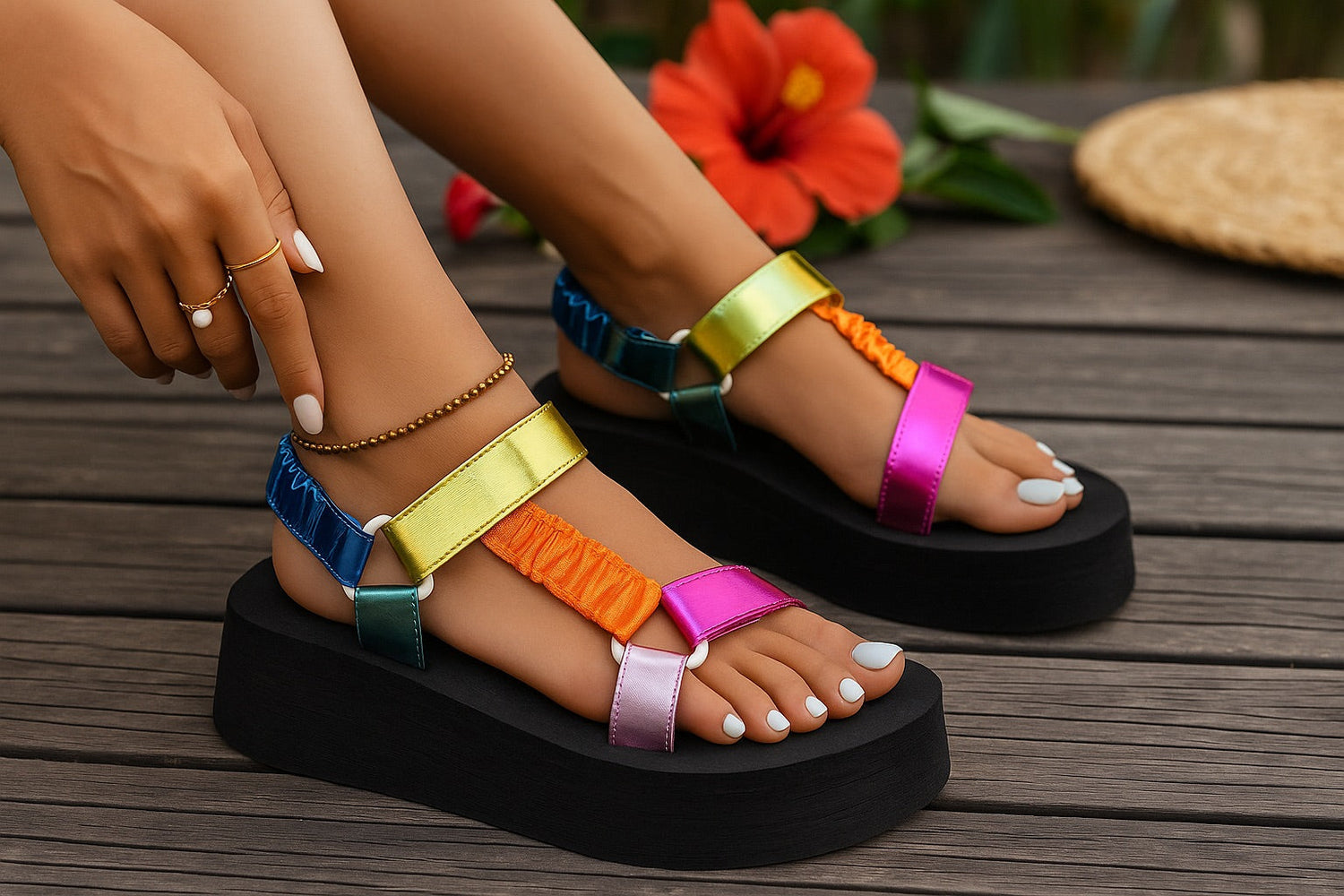
Wedge sandals: no. Heels of any height: no. Platform sandals: no. All three create unstable contact with an uneven, potentially wet surface. The risk isn't aesthetic — it's a twisted ankle or a fall overboard. Leave them for the restaurant after.
Going barefoot is entirely fine if you're on a private boat or a charter where you know the deck condition. Just check for cleats, rope coils, and hardware before you commit. Many people spend the whole day barefoot and put sandals on only when they step onto a dock.
What bag to bring
The bag is the most underestimated part of a boat-day outfit. You need something that holds sunscreen, a change of clothes, a towel, snacks, and your phone — and that won't be destroyed if it gets splashed.
A large canvas or nylon tote is the right call. It's not waterproof, but it dries fast and doesn't hold water the way a structured leather bag would. Our tote bags are worth checking — canvas and woven styles specifically. Avoid anything with suede, uncoated leather, or fabric that stains visibly when wet.
For valuables — phone, keys, cards — bring a small zip pouch or a dry bag inside the tote. A waterproof phone pouch costs under $15 at any outdoor retailer and is the single most practical addition to any boat-day kit. Your main bag doesn't need to be waterproof if everything inside it is protected individually.
A crossbody bag works well for moving around the marina before and after — hands-free, compact, easy to keep close. But on the boat itself, a tote you can stow under a seat beats a crossbody you're constantly adjusting.
Accessories worth packing
Three accessories are genuinely useful on a boat. Everything else is optional.
- A hat with a chin strap or a close fit. A wide-brim sun hat looks great in photos and blows off your head at 12 knots. A bucket hat, a baseball cap, or a straw hat with a chin cord stays put. Our hats edit includes both — look for styles with a drawstring or a snug fit. UV protection is the point, not the aesthetic.
- Polarized sunglasses. On water, glare is intense. Polarized lenses cut the reflection off the surface and reduce eye strain over a full day. Our sunglasses collection has several polarized options. Bring a cord or strap to keep them on your face — overboard sunglasses don't come back.
- Minimal jewelry. Saltwater and sun are hard on metal. Leave anything sentimental or expensive at home. If you want jewelry, go for simple waterproof pieces — a thin gold-fill bracelet, small stud earrings. Nothing that catches rope or rigging.
A light layer — a long-sleeve rash guard, a thin cardigan, or a linen shirt — is worth packing even in June. The sun at 11am on open water is brutal; by 4pm with the wind up, it can feel 15 degrees cooler than it did at anchor. Our vacation outfits edit has several lightweight layering options that pack flat.
Outfit breakdowns by boat type
Not all boat days are the same. A fishing charter in the Gulf is a different environment from a catamaran off the Amalfi Coast. Here's how to adjust.
Day charter or sailing trip
High-waist bikini + short kaftan cover-up + flat rubber sandals + bucket hat + canvas tote. This is the standard and it works. Keep the cover-up on when you're not swimming — sun exposure accumulates fast on the water, where UV reflects off the surface as well as coming from above. UV index on open water runs 25–50% higher than on land (World Health Organization, UV Radiation and Health). Reapply SPF 50 every 90 minutes minimum.
Sunset cocktail cruise
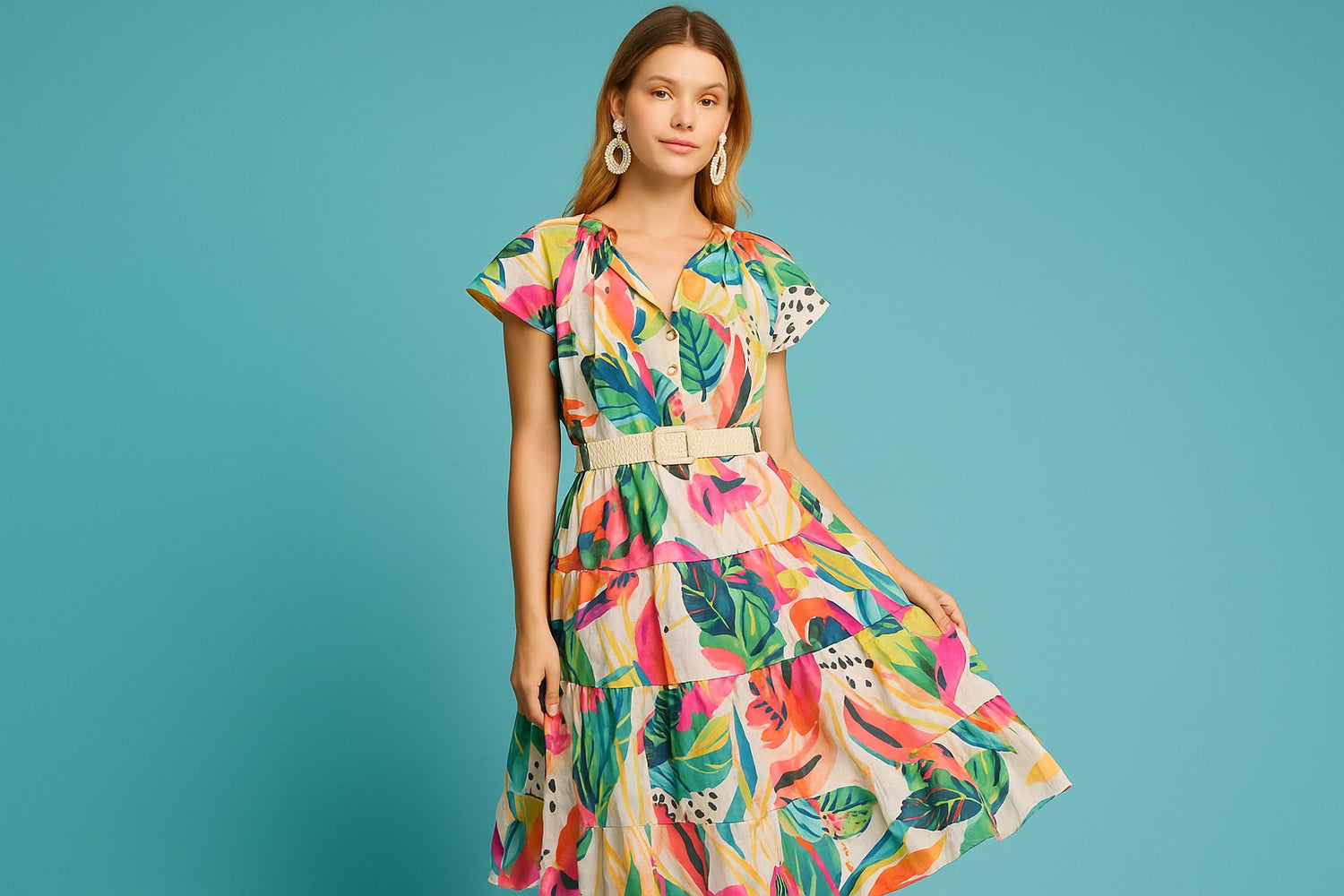
A smocked or crinkle-fabric summer dress over a swimsuit, flat strappy sandals, a small crossbody, and simple jewelry. You're not jumping in the water here, so a longer silhouette is fine — just avoid anything that billows dramatically. The goal is dressed-up enough for photos, comfortable enough for two hours on a moving deck.
Pontoon or lake day
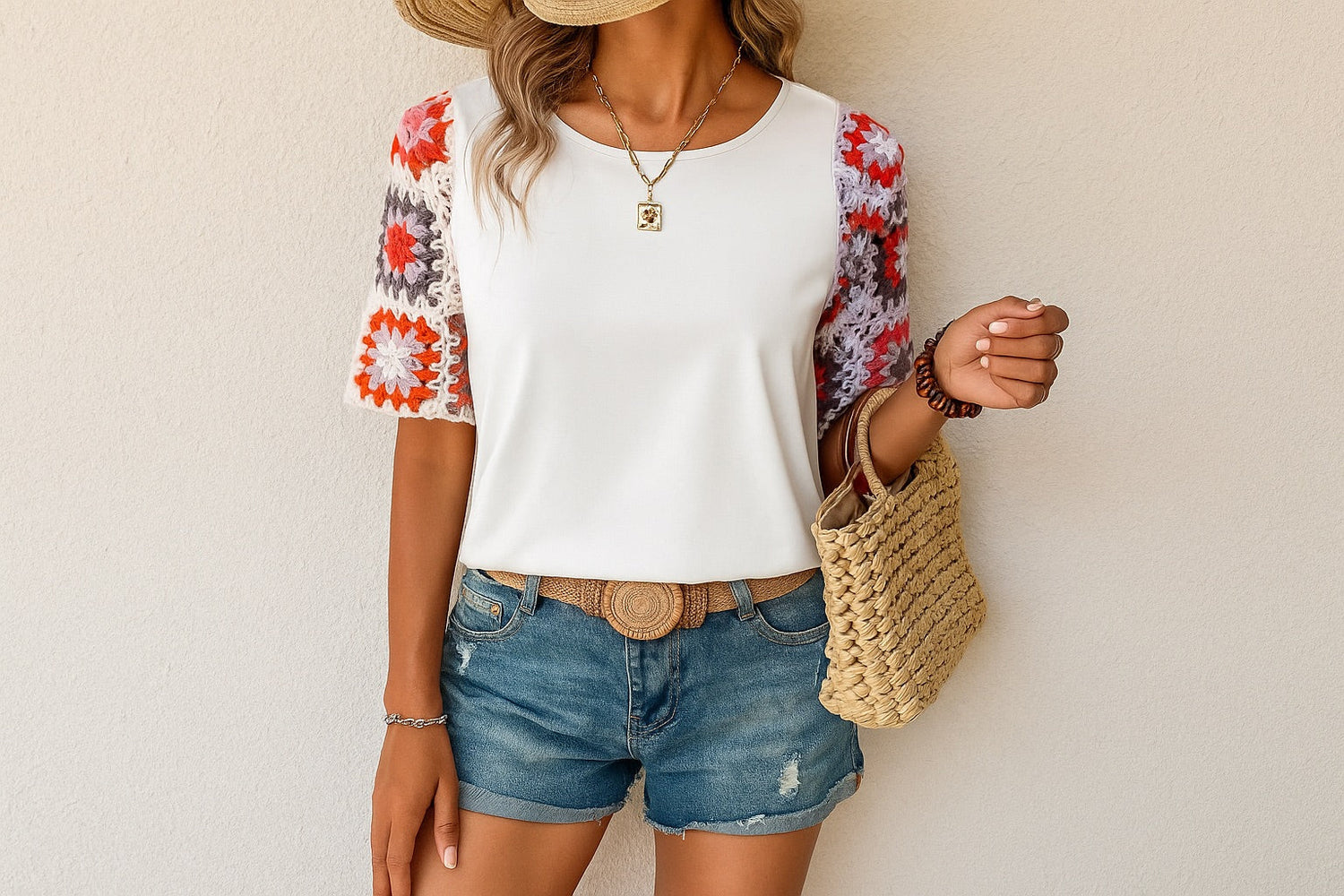
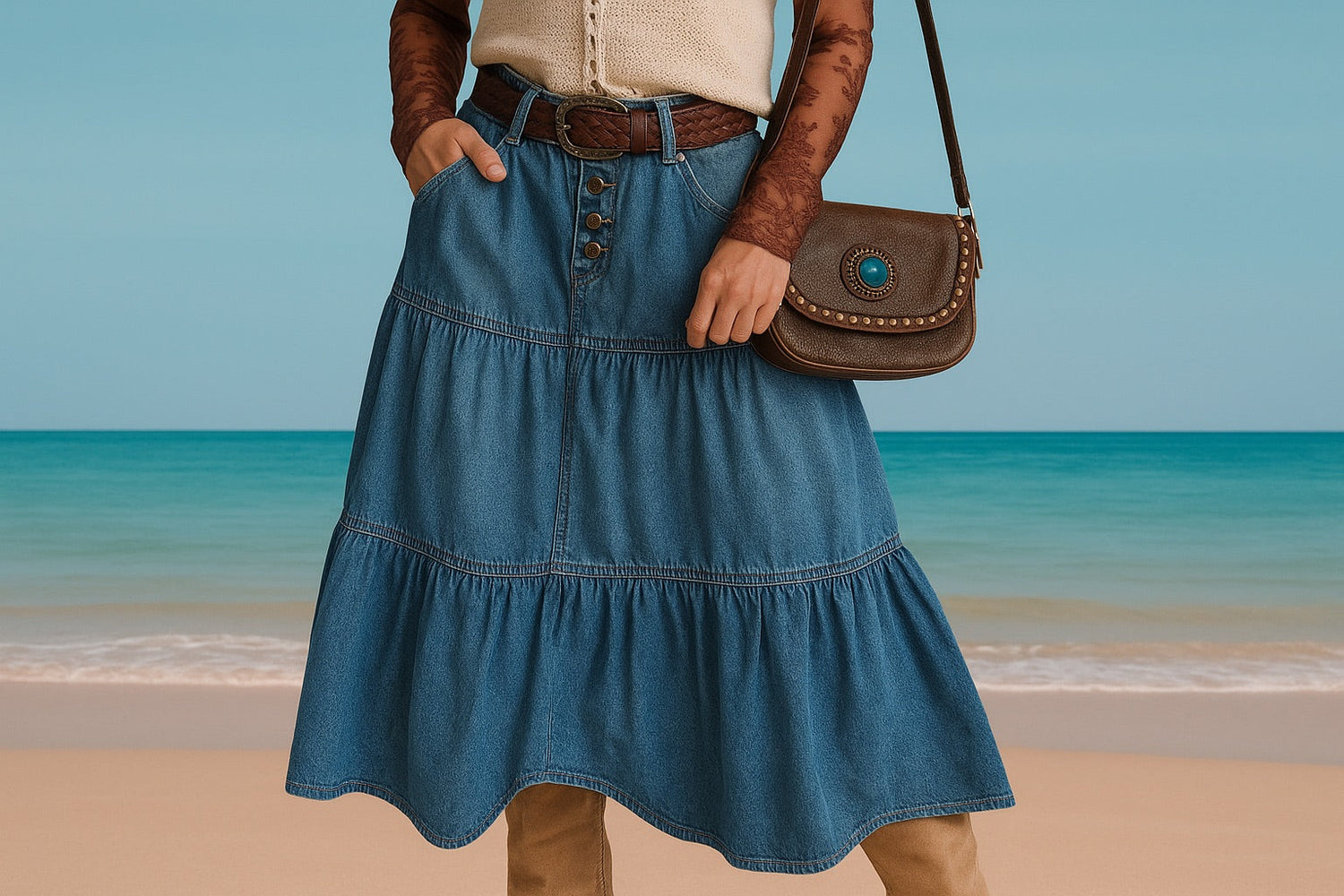
More relaxed than open water. Denim cutoffs over a bikini, a loose tank or open button-down, and flat sandals or bare feet. The water is calmer, the boat is more stable, and the vibe is closer to a backyard barbecue than a sailing trip. A pair of denim shorts over your swimsuit is the easiest formula here — it covers you when you're not in the water and comes off in seconds when you are.
Yacht or chartered catamaran (nicer setting)
A one-piece swimsuit under a linen button-down shirt or a short wrap dress. Footwear that's clean and non-marking. A structured straw tote rather than a beat-up canvas bag. The swimsuit is still the base — you'll still be in the water — but the overall presentation is slightly more considered. Our linen dresses and vacation dresses have several short styles that work for this context.
What to leave at the dock
This list is short but firm.
- White clothing. Spray, sunscreen, engine exhaust, food — white shows all of it immediately. Save white for the beach where you're stationary.
- Anything with a heel. This is a safety issue, not a style preference. Heels catch in deck hardware and create unstable footing on a moving surface.
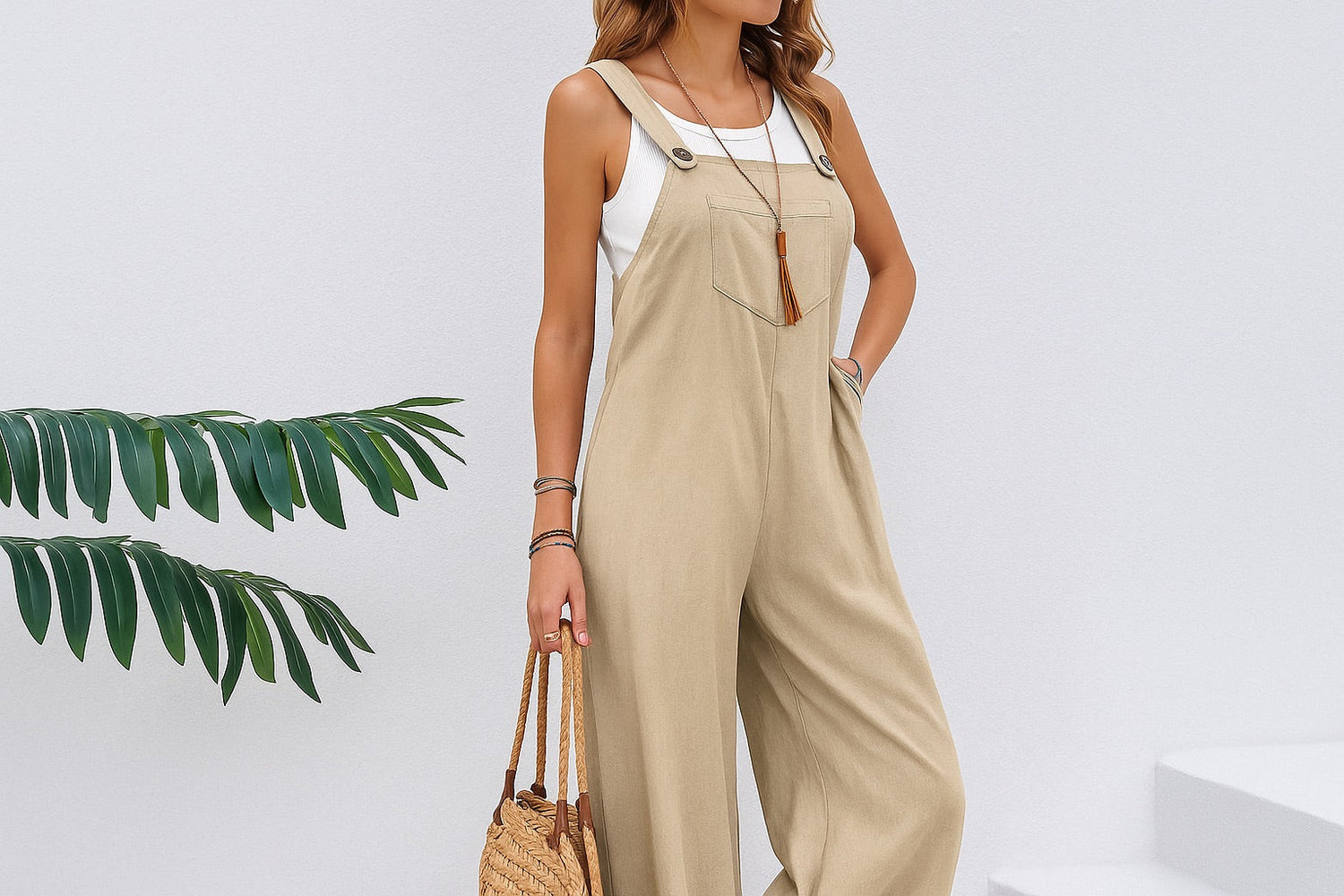
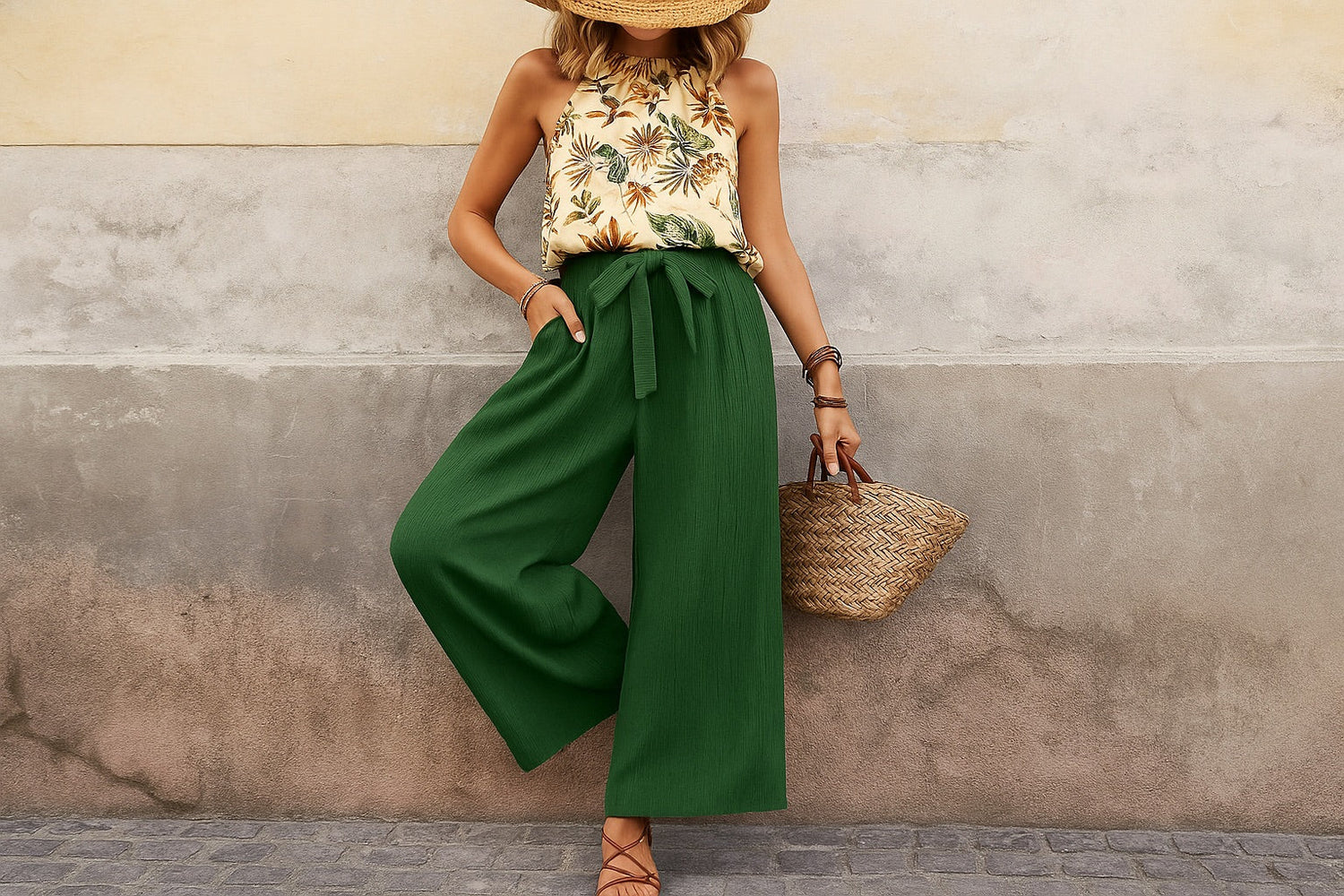
- Long flowing fabric. Maxi skirts, wide-leg trousers, and floor-length cover-ups catch wind and get wet hems. They also catch on cleats and railings.
- Irreplaceable accessories. Sunglasses go overboard. Earrings fall out. Rings come off in cold water when fingers shrink. Leave the sentimental pieces home.
- Dry-clean-only anything. Saltwater, sunscreen, and spray are going to touch your clothes. Wear things you can rinse in the sink tonight.
Frequently asked questions
What shoes are safe to wear on a boat?
Flat rubber-soled sandals with a back strap are the safest choice. The rubber sole grips wet fiberglass without marking the deck, and the back strap keeps the shoe on your foot when the boat moves. Slides work if the fit is snug. Avoid heels, wedges, and platforms entirely — they create unstable footing on a moving surface and can catch on deck hardware.
What should I wear on a boat if I'm not swimming?
A swimsuit as a base layer is still practical even if you don't plan to swim — it handles spray and unexpected splashes without ruining your outfit. Layer a short cover-up or a linen shirt over it, add flat sandals, and bring a light layer for wind. If the day is more social than active (a cocktail cruise, for example), a summer dress over a swimsuit works well and transitions to dinner without a full change.
How do I keep my hair manageable on a boat?
Braid it or tie it back before you board. A loose blowout or styled hair lasts about 20 minutes in boat wind before it becomes a problem. A bun, a braid, or a low ponytail under a hat is the practical answer. Bring a hair tie on your wrist as a backup.
What's the best bag for a boat day?
A large canvas or nylon tote that dries quickly. Keep valuables — phone, cards, keys — in a small zip pouch or waterproof bag inside the tote. Avoid uncoated leather, suede, or any structured bag you'd be upset to get wet. A crossbody works well for the marina walk before and after, but on the boat itself a tote you can stow under a seat is more practical.
What colors work best for boat day outfits?
Darker colors — navy, black, deep terracotta, forest green — show saltwater residue and sunscreen less than light colors. White is the worst choice on a boat: it picks up spray, sunscreen, and any incidental engine residue immediately. Mid-tones like dusty blue, sage, and warm tan are a good middle ground if you want something lighter without the maintenance anxiety of white.