
Spring Fashion Essentials: What to Wear in July 2026
July is not the time to overthink your wardrobe. It's 85°F before noon, your calendar is full of rooftop dinners and last-minute weekend trips, and the pieces earning their keep right now are the ones you can grab, wear, and forget about until someone asks where you got them. At Livostyle, we've been editing our own closets down to the July essentials — the fabrics that hold up in the heat, the silhouettes that move between occasions without a full outfit change, and the accessories that do the heavy lifting so the clothes don't have to.
Why July is its own dressing problem
Spring fashion essentials get a lot of editorial attention in March and April, when everything is aspirational and the weather is still unpredictable. By July, the conversation has mostly moved on to fall previews — which is exactly when most people are standing in front of their closets sweating, trying to figure out what to actually wear.
July has a specific dressing challenge: it's too hot for most of the transitional pieces you bought in April, and the truly lightweight things you need are often sold out in the obvious sizes. The solution isn't to shop frantically. It's to identify the five or six pieces that genuinely earn their place in a July closet and make sure you have them.
We also want to be honest about one thing: "spring essentials" is a slightly awkward label for July. But the pieces we're talking about here — breathable dresses, lightweight tops, flat sandals — are the same ones that started appearing in our spring edit and are now doing their best work in peak summer. The label matters less than the function.
The dress situation: which silhouettes work hardest
In July, a dress is almost always the right answer. One piece, no coordination required, and if the fabric is right, it's cooler than any shorts-and-top combination. The question is which silhouette.
Three cuts dominate the July edit at Livostyle:
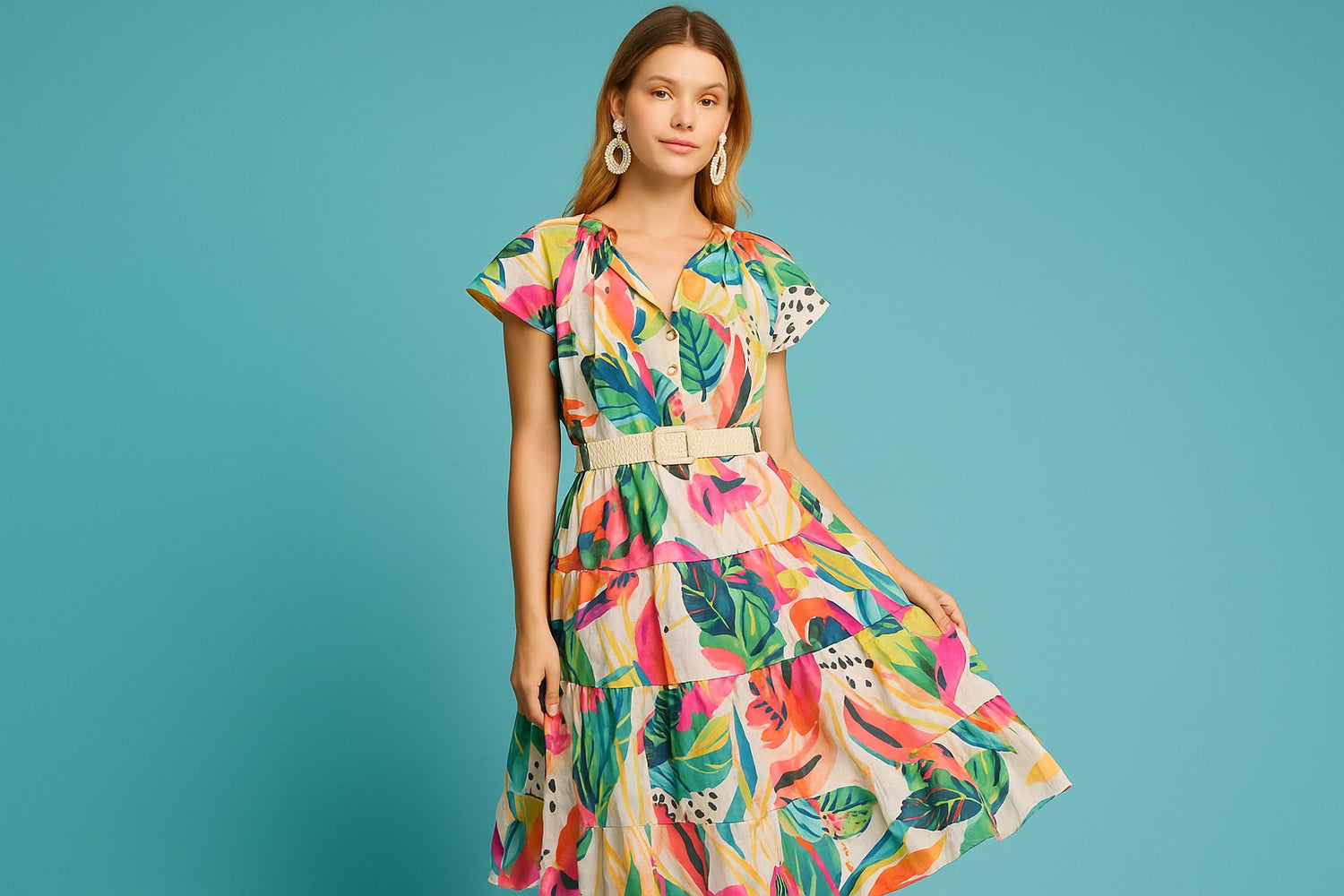
- The midi dress. Hits below the knee, which means it reads appropriate for everything from a work lunch to a casual wedding. The midi dress category is the most versatile length in the store — not because it works everywhere automatically, but because a well-chosen fabric and neckline can be dressed up or down with shoes alone.
- The maxi dress. Better for heat than most people expect. A full-length hem in a lightweight woven fabric creates airflow rather than trapping it. Maxi dresses in linen or cotton gauze are the closest thing to wearing nothing that still reads as a real outfit.
- The smocked dress. Underrated for July. The smocked bodice adjusts to your body without needing a specific size, which makes it forgiving in the heat when bodies change shape slightly. Smocked dresses also pack flat and come out of a bag looking intentional rather than wrinkled.
"In July I stop recommending anything with a defined waistband. The heat changes how clothes fit by afternoon. A smocked bodice or an A-line cut gives you room to breathe — literally."
— Sarah Lin, Livostyle Style Editor
What to skip: bodycon silhouettes in synthetic fabric. They look sharp at 8pm when the temperature drops, but they're uncomfortable by 2pm and show every movement. Save them for fall.
Tops and bottoms: the mix-and-match case
Not every July outfit needs to be a dress. The case for tops and bottoms is real — especially when you want more outfit variety without buying more pieces.
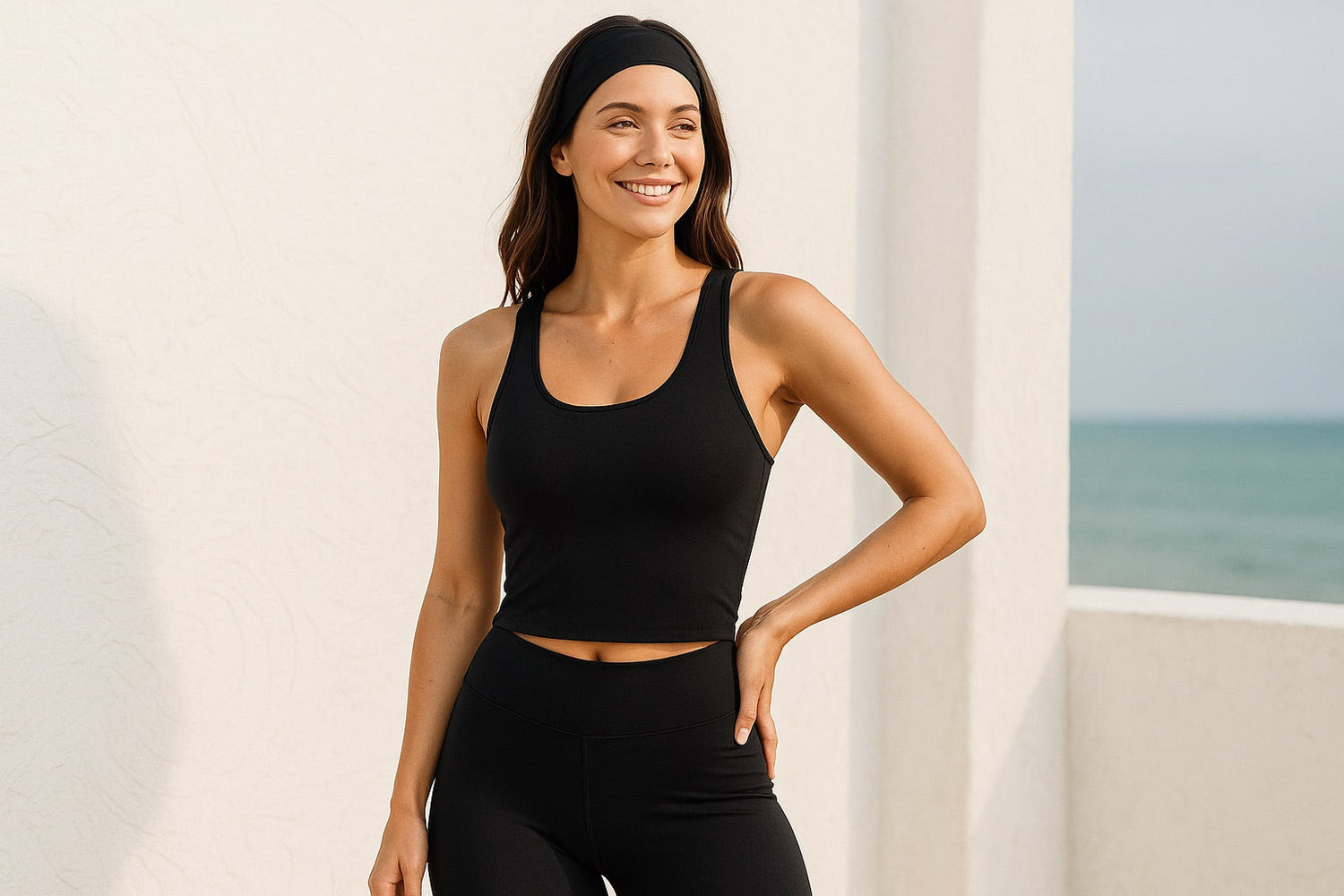
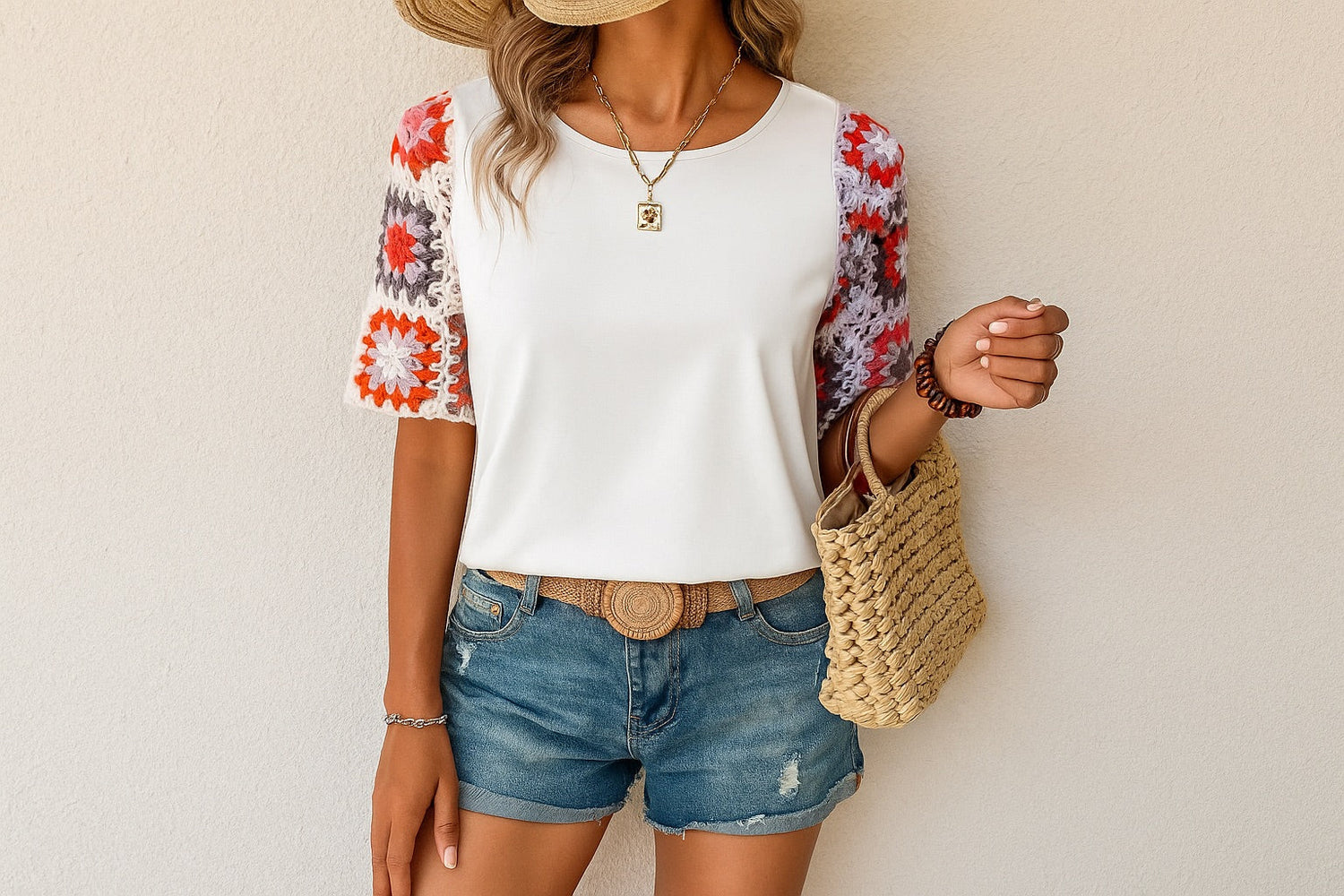
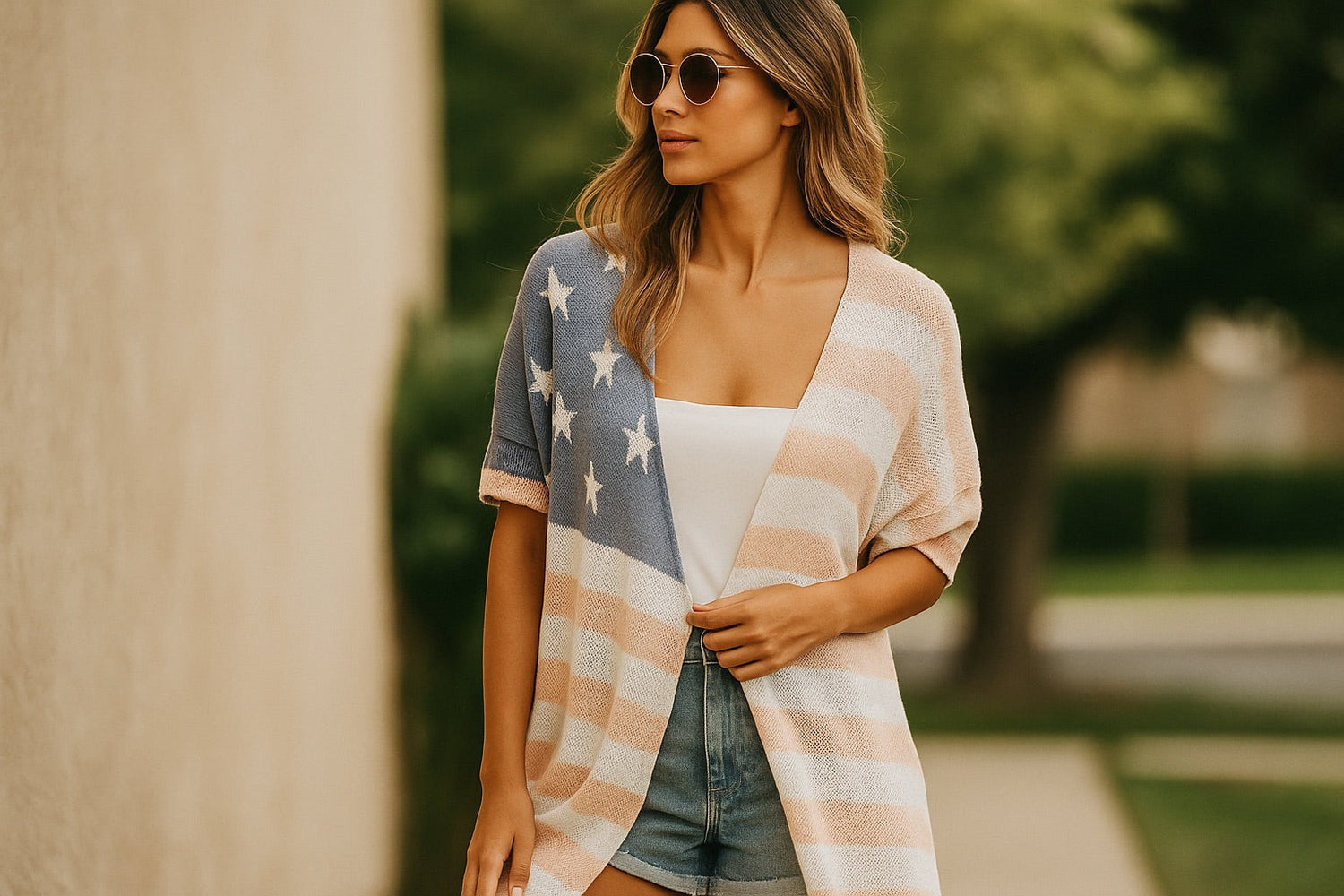
The July top formula: one solid-color sleeveless tank in a neutral (white, cream, or black), one slightly more interesting blouse or off-shoulder top for evenings. That's it. Sleeveless tops and tanks do the daily work; the blouse does the occasion work. Buying three versions of the same silhouette in different prints doesn't give you more outfits — it gives you more decisions.
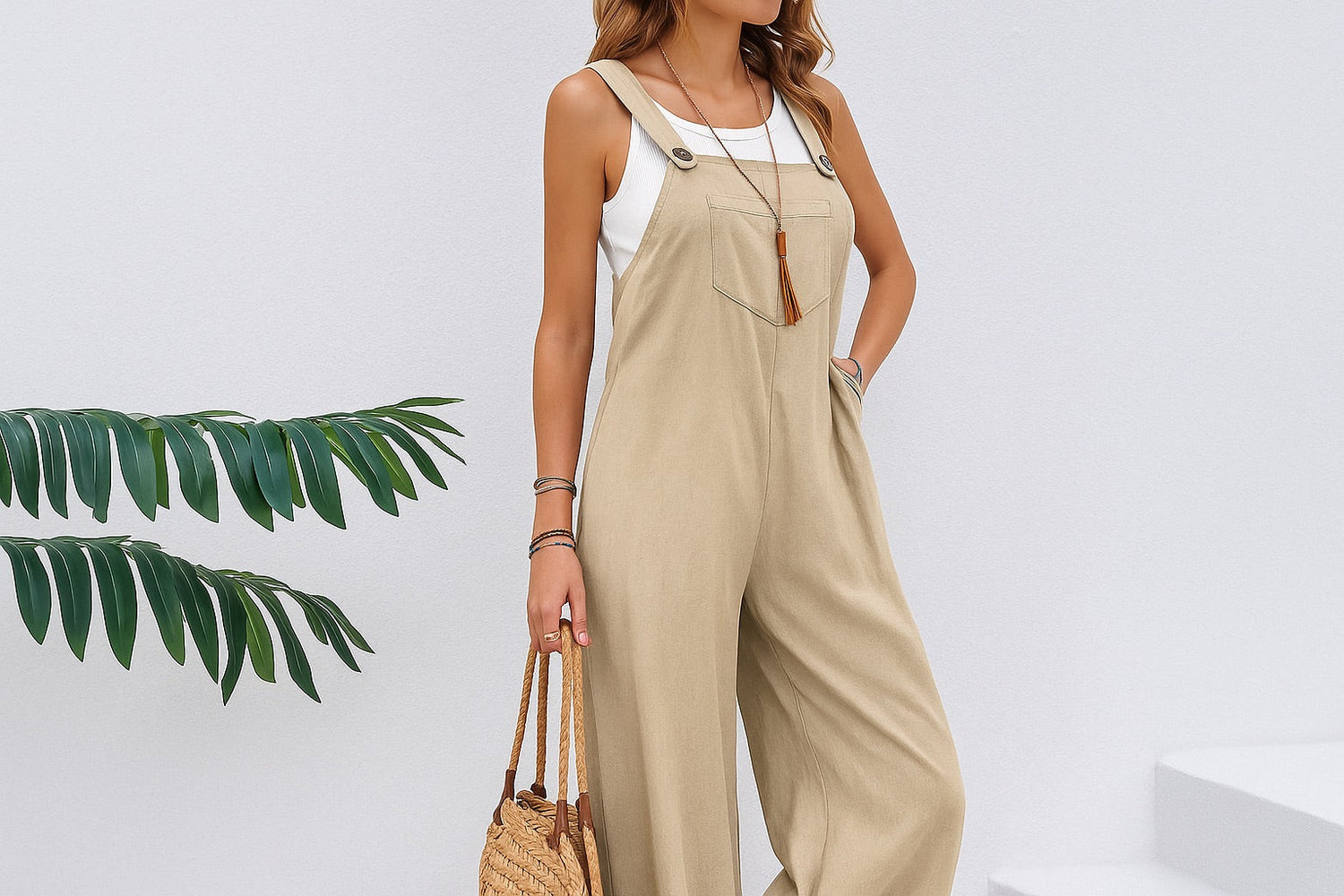
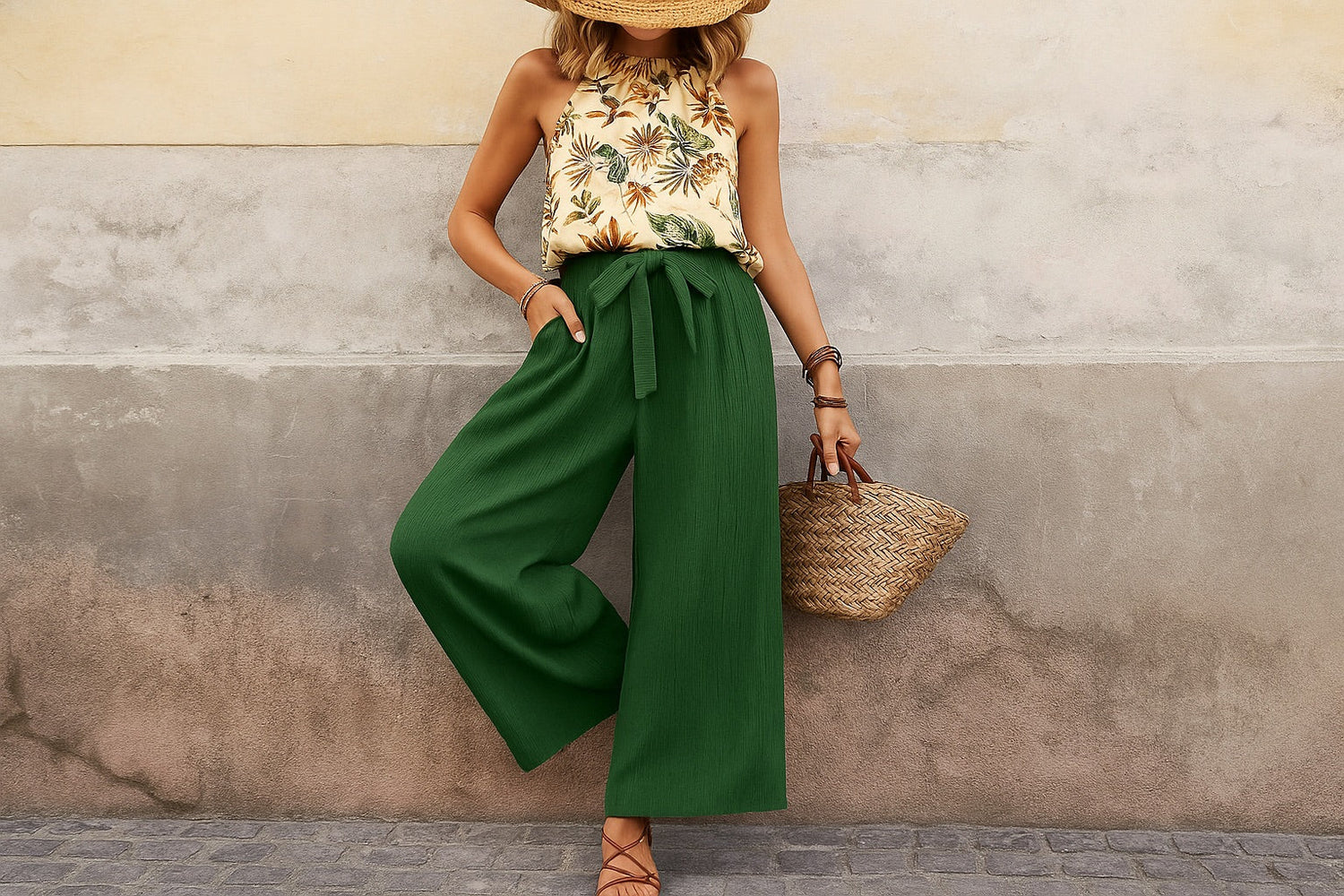
For bottoms in July, wide-leg pants in linen or cotton are genuinely cooler than denim shorts. The airflow through a wide leg is significant. Denim shorts trap heat at the thigh. If you're spending time outside, the pants win.
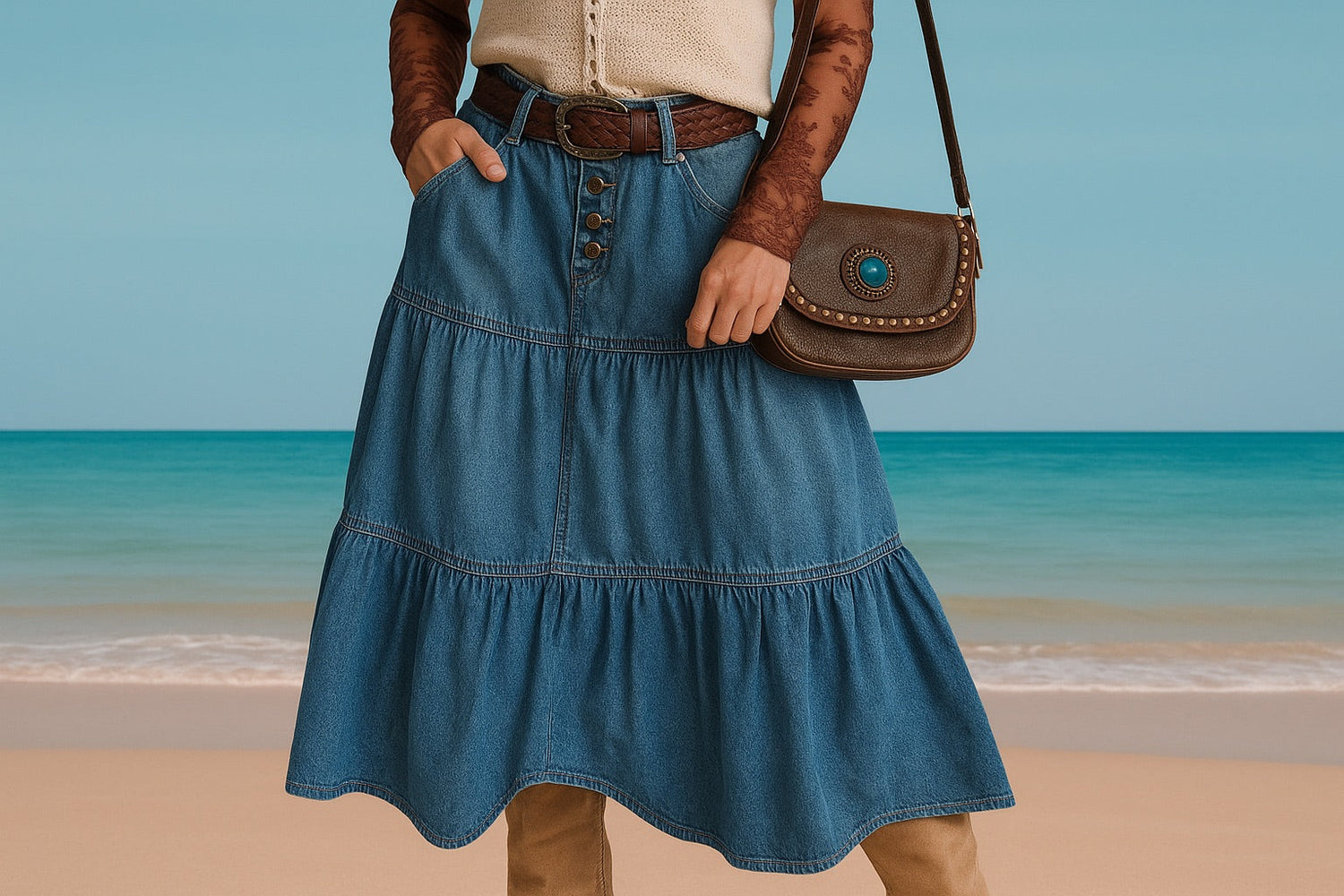
Midi skirts are the other July bottom worth having. Pair with the sleeveless tank and flat sandals and you have an outfit that works from 10am to 10pm with no changes.
Two-piece sets: the shortcut that actually works
A matching set solves the coordination problem entirely. You're not deciding what top goes with which bottom — the decision is already made. Two-piece sets are one of the smartest buys for July because they function as a full outfit but can be split into separates when you want variety.
The key is buying a set where both pieces are genuinely wearable independently. A matching shorts set where the shorts are too short to wear alone is a one-trick item. A set where the top works over wide-leg pants and the shorts work under an oversized button-down is three outfits from two pieces.
Linen sets specifically: linen wrinkles. That's not a flaw — it's the fabric drying flat and releasing moisture. A linen set that looks slightly rumpled after a few hours of wear looks intentional in a way that a wrinkled polyester set never does. Embrace it or buy a cotton-blend instead.
Shoes for July: three categories, one rule
The rule first: in July, comfort wins every argument. A beautiful heel you can only wear for two hours is not a July shoe. It's an October shoe.
The three categories that actually work:
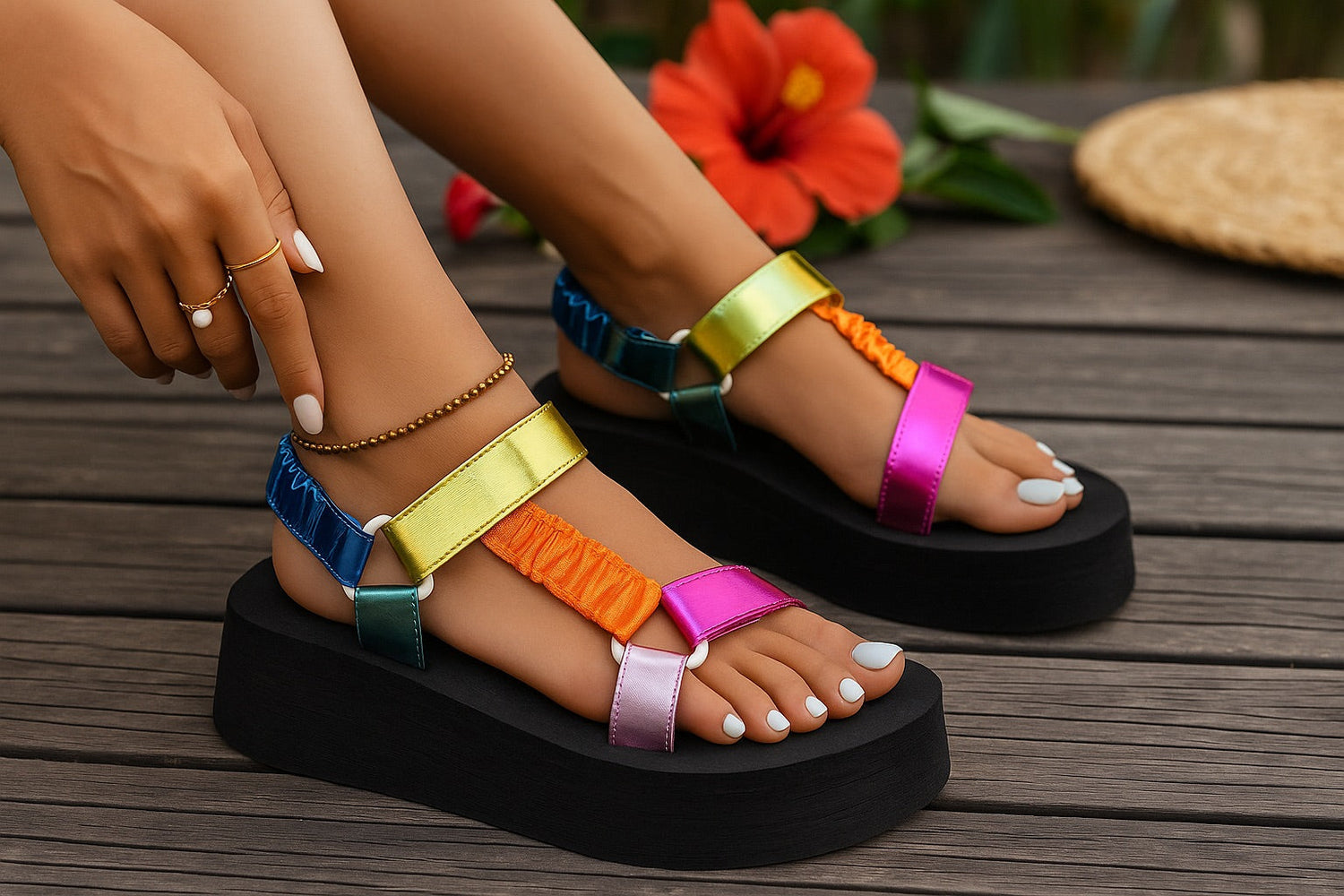
- Flat leather sandals. The workhorse. Wear with dresses, skirts, wide-leg pants. Sandals in tan or black leather go with everything in a July wardrobe without trying. Avoid platform sandals for outdoor events — they sink into grass and uneven surfaces.
- Low-profile sneakers. For market mornings, travel days, and any outfit that needs to cover distance. White canvas or leather sneakers pair with midi dresses better than most people expect — the contrast between a feminine silhouette and a clean sneaker is one of the better tricks in casual dressing.
- Block-heel sandals. When you need a heel but you'll be standing for three hours. Block heels on grass, cobblestones, and rooftop bars. Stilettos on none of those surfaces. We learned this the hard way.
Accessories: what to add, what to skip
July accessories should be minimal and functional. The heat makes layering jewelry uncomfortable, and a heavy bag defeats the purpose of a lightweight outfit.
Add: one pair of hoop earrings in gold or silver. Hoops work with every neckline, require no coordination, and photograph well in natural light. Skip the necklace if you're wearing a statement neckline — the dress is already doing the work.
Add: a crossbody bag small enough to keep your hands free. In July you're moving — between outdoor tables, beach chairs, and evening venues. A crossbody that holds your phone, card, sunscreen, and keys is the right bag for all of it. A large tote is for the farmers' market or the beach. Not both in one day.
Add: sunglasses that actually fit your face. This is the most-overlooked styling element in summer. A well-fitting pair of sunglasses finishes an outfit the way a belt finishes a dress — it signals intention. An ill-fitting pair does the opposite.
Skip: scarves as accessories in July. Scarves are excellent in September. In July they read as an afterthought and they're warm.
Skip: statement necklaces over bare necklines in high heat. Metal on skin at 90°F is uncomfortable within 20 minutes. Save them for air-conditioned evenings.
Fabric guide: what keeps you cool vs. what just looks cool
This is the most practical section in the article. Fabric choice matters more than silhouette in July. A linen midi dress will keep you cooler than a cotton mini in direct sun — because linen's open weave allows more airflow per square inch.
Linen: the best hot-weather fabric. Open weave, moisture-wicking, gets softer with every wash. Linen production uses 75% less water than cotton (CELC, European Confederation of Linen and Hemp), which makes it a better environmental choice too. The wrinkle issue is real but overstated — a linen dress that's slightly rumpled looks considered, not careless. Browse our linen dresses for the full range.
Cotton: reliable but not all cotton is equal. A tightly woven cotton poplin traps heat. A loosely woven cotton gauze breathes almost as well as linen. Check the weave, not just the fiber content.
Tencel (lyocell): the underrated option. Tencel is made from wood pulp in a closed-loop process that recycles 99% of the water used in production (Lenzing Group). It drapes beautifully, feels cool against skin, and resists wrinkles better than linen. The downside: it's less common in casual summer styles. When you find it, buy it.
Polyester blends: avoid in July heat. Polyester doesn't breathe. It traps moisture against the body and retains heat. A polyester-blend dress might look identical to a linen one on a hanger — on your body at 2pm in July, the difference is significant.
The July capsule: 8 pieces, 20+ outfits
This is the actual edit. Eight pieces that cover the full range of July occasions without overlap or redundancy.
- One linen or cotton midi dress in a neutral (white, cream, sage, or terracotta). Wears to brunch, a casual wedding, and a beach town dinner. See the summer dresses edit for current options.
- One maxi dress in a print. This is your vacation piece, your farmers' market piece, your "I need to look like I tried" piece. A floral or stripe print does the visual work so you don't have to accessorize much.
- One matching linen or cotton two-piece set. Wear as a set for easy outfits; split into separates when you want variety. The top pairs with wide-leg pants; the bottoms pair with the white tank.
- One solid-color sleeveless tank in white or cream. This is the most-reworn piece in the capsule. Tuck it into the midi skirt, wear it under the blazer, layer it under the maxi on cool evenings.
- One midi skirt in a solid color or subtle texture. Pairs with the tank and sandals for a daytime outfit; pairs with the blouse and block heels for evening.
- One pair of wide-leg linen or cotton pants. The alternative to shorts for outdoor days. More comfortable in heat than denim, more polished than joggers.
- Flat leather sandals in tan or black. Every outfit in this capsule works with these.
- One crossbody bag in a neutral leather or woven material. Hands-free, appropriately sized, goes from day to evening without switching.
Eight pieces. The overlap is intentional — the tank layers under the maxi, the sandals work with everything, the skirt pairs with both the tank and the set top. That's how a capsule works. Not eight separate outfits, but eight pieces that generate combinations.
For the full July new arrivals, the new arrivals page updates weekly with what's just landed. The newsletter is the fastest way to know when something restocks.
Frequently asked questions
What are the best fabrics for spring and summer dressing in July heat?
Linen and cotton gauze are the top performers in July heat. Both have open weaves that allow airflow and wick moisture away from the body. Tencel (lyocell) is a close third — it drapes well, resists wrinkles, and stays cool against skin. Avoid tight-weave polyester blends; they trap heat and moisture regardless of how lightweight they look on the hanger.
How do you build a July capsule wardrobe without buying too much?
Start with one dress that covers your most frequent July occasion — brunch, travel, or casual evenings. Add one solid-color tank that layers under it and pairs with bottoms. Then one pair of flat sandals that work with everything. From those three pieces, identify the gaps: do you need a bottom for days you don't want to wear a dress? A bag that goes from day to evening? Buy to fill gaps, not to add variety for its own sake.
Can you wear spring fashion essentials — like linen and floral prints — into fall?
Yes, with adjustments. A linen midi dress in sage or terracotta transitions into September with a denim jacket or blazer layered over it. Floral prints in deeper tones (burgundy, rust, forest green) read fall-appropriate with ankle boots. The pieces that don't transition: anything in white or very pale cream, and very lightweight cotton gauze that doesn't hold structure in cooler temperatures.
What shoes work best with midi dresses in summer?
Flat leather sandals are the most reliable pairing — they work with every midi silhouette and every fabric weight. White low-profile sneakers are a strong second option for casual daytime outfits; the contrast between a feminine midi length and a clean sneaker looks deliberate rather than underdressed. For evening, block-heel sandals add height without the instability of a stiletto on outdoor surfaces.
What's the difference between a vacation dress and an everyday summer dress?
Mostly context and print. A vacation dress tends to be a bolder print, a longer length, or a more relaxed silhouette — something that reads "I'm not in the office" from across the room. An everyday summer dress is usually in a solid or subtle pattern that works in more neutral settings. The fabric requirements are identical: natural fibers, breathable weave, a cut that doesn't require shapewear. Browse the vacation dresses edit and the everyday casual collection side by side — the distinction becomes clear quickly.