
How to Pack a Suitcase Without Wrinkles: A Fabric-by-Fabric Guide
Most packing advice skips the one thing that actually matters: different fabrics wrinkle for different reasons, and the fix for linen is the opposite of the fix for silk. Roll the wrong thing, fold the wrong thing, and you're spending the first hour of your vacation hunting for an iron. This guide breaks it down by fabric and by suitcase type — so you land with a full wardrobe that's ready to wear.
Why fabrics wrinkle (and why it matters for packing)
A wrinkle is a crease that the fiber can't spring back from on its own. Whether it sets depends on two things: the fiber's memory and the pressure applied during transit. Natural cellulose fibers — linen, cotton, rayon — have low memory and high wrinkle potential. Protein fibers — silk, wool — have more natural recovery but are sensitive to heat and moisture. Synthetics and knit structures generally bounce back because the fiber or the construction absorbs the compression without a hard crease forming.
Knowing this changes how you pack. Linen wrinkles because the cellulose fiber takes a permanent set under pressure. Knit jersey wrinkles less because the looped structure compresses and re-expands. The goal isn't to avoid folding — it's to avoid creating sharp, sustained pressure on fibers that can't recover from it.
Fiber memory by category (general ranking, best to worst for travel):
- Synthetic blends (polyester, nylon): highest recovery — compression barely registers
- Knit structures (jersey, ribbed, ponte): excellent recovery regardless of fiber content
- Wool and wool blends: good recovery; steam brings it back fast
- Silk and satin: moderate recovery; creases are light but visible — handle carefully
- Cotton (woven): low recovery — wrinkles set quickly under suitcase pressure
- Linen: lowest recovery — wrinkles are structural, not superficial
- Rayon / viscose: lowest recovery and most moisture-sensitive — treat like linen but with more caution
Rolling vs. folding — the actual rule
The rolling-vs-folding debate has been oversimplified into "always roll." That's wrong. Rolling works because it distributes compression gradually across the fabric rather than creating one sharp crease at a fold line. But rolling a structured woven — a linen dress, a cotton button-down — creates dozens of small rolling creases instead of one fold crease. Neither is great, but the fold is easier to press out.
The real rule:
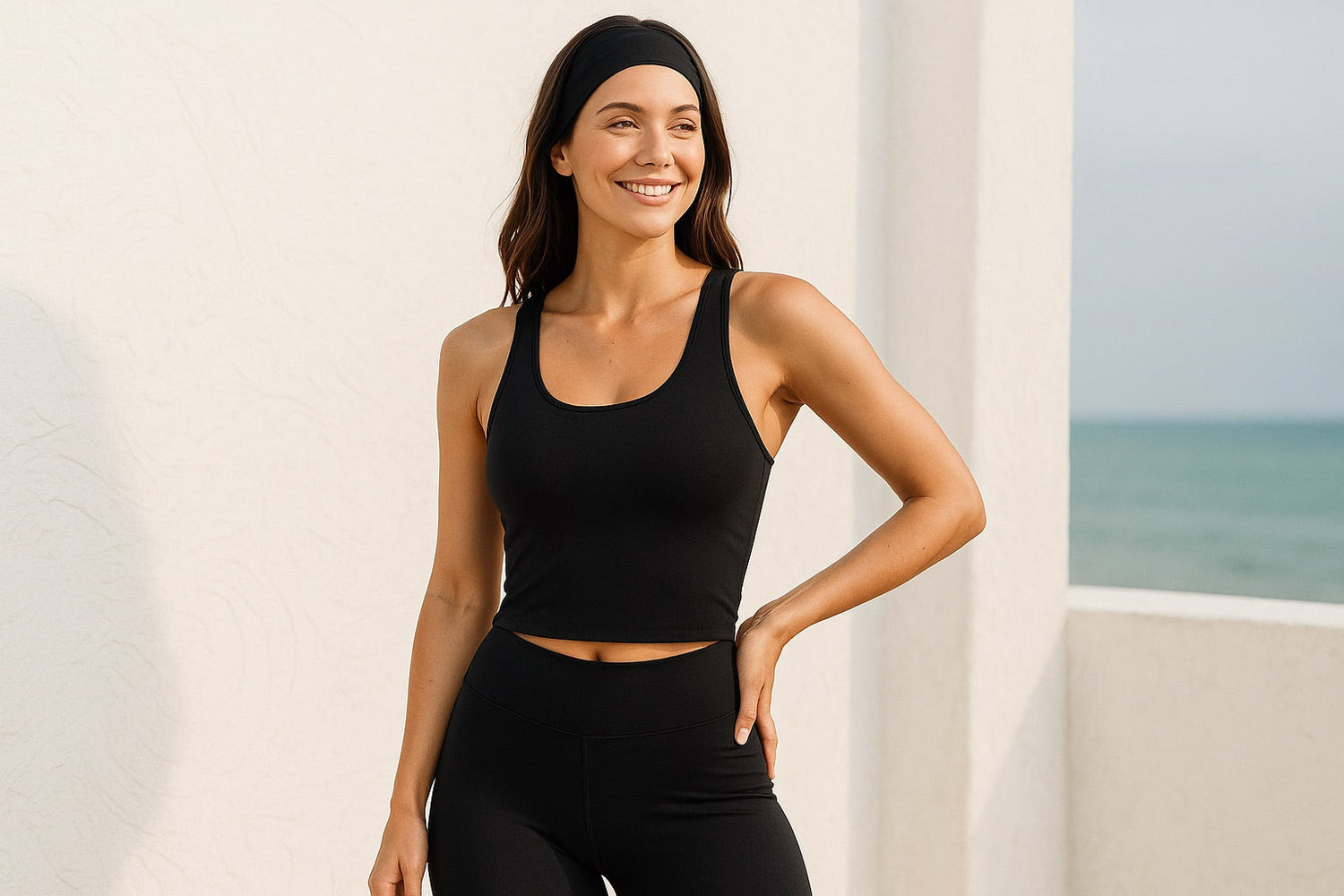
- Roll anything with a knit structure: jersey dresses, ribbed tops, cotton T-shirts, denim, leggings, swimwear.
- Fold flat (or interleave) woven fabrics: linen, cotton poplin, structured blazers, trousers.
- Bundle-wrap anything delicate: silk, satin, chiffon, anything with beading or embroidery.
Bundle wrapping is worth learning. You lay a large soft item (like a jersey dress) flat, place the delicate item in the center, then fold the outer item around it like a parcel. The soft outer layer cushions the inner piece. No hard crease ever touches the delicate fabric.
Fabric-by-fabric packing guide
Linen
Linen is the hardest fabric to pack wrinkle-free. It will wrinkle — that's not a packing failure, it's the fiber. The goal is to minimize deep creases that don't fall out on their own. Fold linen pieces as few times as possible, with the fold lines running parallel to any seams. Place a layer of tissue paper between each fold to reduce fiber-on-fiber friction. Pack linen on top of everything else, never underneath heavier items. When you arrive, hang linen immediately in a steamy bathroom for 15 minutes — the humidity relaxes the fibers without any iron contact.
Our linen dresses and vacation dresses are the pieces most worth packing correctly — they're the ones you'll reach for every day.
Cotton (woven)
Cotton wovens — poplin shirts, cotton midi dresses, cotton shorts — behave similarly to linen but recover slightly better with steam. The same rules apply: fold as few times as possible, use tissue paper at fold lines, pack near the top. Cotton is more forgiving of a travel steamer than linen, which means a 30-second steam pass on arrival fixes most transit creases.
Jersey and knits
Roll everything. Tight rolls work better than loose ones because they prevent the fabric from shifting and creating unintended fold lines inside the roll. Rubber bands or packing cubes keep rolls compressed. Jersey midi dresses, ribbed tops, and matching sets in jersey all travel exceptionally well — they're the backbone of a wrinkle-resistant travel wardrobe.
Silk and satin
Silk creases lightly but visibly. The crease isn't deep — it's more of a surface impression — and it usually falls out within an hour of hanging. The risk with silk is moisture: a damp suitcase can watermark silk permanently. Pack silk in a dry-cleaning bag or a sealed zip bag to protect it from humidity and from anything damp in your luggage (sunscreen, toiletry leaks). Bundle-wrap silk inside a jersey piece for the best protection. Never place silk at the bottom of a packed suitcase.
Satin slip dresses follow the same rules as silk — same sensitivity, same fix.
Denim
Roll denim. It's dense enough that a fold crease can be stubborn, but a tight roll distributes the compression evenly. Use rolled denim as structural filler along the sides of your suitcase — it holds its shape and props other items in place. Denim doesn't wrinkle in any meaningful way; the main goal is efficient packing, not crease prevention.
Blazers and structured outerwear
Turn blazers inside out, fold along the natural shoulder seam, and place them flat on top of everything else. Better still: wear your blazer on the plane. A blazer is the single item most worth keeping out of the suitcase entirely — it doubles as a layer on the flight and arrives unwrinkled. If it must go in the bag, stuff the sleeves with rolled socks to hold the shoulder shape.
How to layer your suitcase
Think of your suitcase in three horizontal zones, packed from bottom to top:
- Base layer (heaviest, most wrinkle-resistant): shoes (in bags or shower caps to protect clothing), rolled denim, rolled sneakers, toiletry bag. These items anchor the suitcase and don't wrinkle.
- Middle layer (rolled items): jersey dresses, T-shirts, ribbed knits, swimwear, activewear. Roll tightly and pack in packing cubes. Fill every gap — empty space is where items shift and crease.
- Top layer (fold-sensitive items): linen, cotton wovens, silk, anything with embellishment. These go in last, on top, with the least compression above them.
Shoes along the sides or at the base serve a structural purpose: they create a rigid frame that stops the suitcase walls from compressing inward onto your clothes during transit. This matters more in soft-sided luggage than hard-shell.
Fill every internal gap. A half-empty suitcase shifts during transit, and shifting creates creases. Roll a cardigan or a scarf into any remaining gaps before you zip.
Carry-on vs. checked bag
Checked bags get thrown, stacked, and compressed under other bags. Carry-ons stay with you. The practical implication: anything delicate — silk, an embellished dress, anything you're wearing the same day you arrive — goes in the carry-on. Checked bags are for denim, activewear, shoes, and anything that rolls without consequence.
Overhead bin compression is real but manageable. If your carry-on is going overhead, pack your most wrinkle-sensitive items in the center of the bag, surrounded by softer rolled items that act as cushioning. The rolled jersey pieces absorb the compression so the linen at the core doesn't.
One more thing: personal item bags — the bag that goes under the seat — get compressed by foot traffic and seat movement. Never put anything wrinkle-sensitive in an under-seat bag. Use it for shoes, chargers, and your crossbody bag.
How to rescue wrinkles when you arrive
Even a perfect pack produces some transit creases. Three tools fix most of them:
- Hanging in a steamy bathroom: run the hottest shower, close the door, hang wrinkled items for 15–20 minutes. Works best on linen, cotton, and silk. Costs nothing. The humidity relaxes the fiber memory without any heat contact.
- Travel steamer: a compact steamer (most weigh under 500g) fixes creases in 60–90 seconds per garment. Hold it 2–3 inches from the fabric and move downward. Don't press the steamer head against silk or satin — steam from a distance only.
- Wrinkle-release spray: a fine mist of water with a drop of fabric softener, shaken in a small spray bottle. Mist lightly, smooth by hand, hang to dry. Works on cotton and linen. Not recommended for silk — water can spot.
The one thing that doesn't work: leaving items crumpled in the suitcase and hoping they fall out. Fiber memory sets further the longer a crease is held. Unpack within two hours of arriving.
"The number-one packing mistake I see is overpacking the suitcase and underpacking the carry-on. Your most wrinkle-sensitive pieces — the silk dress, the linen set — should be the last things you pack and the first things you hang up. Treat them like they're fragile, because the fibers are."
— Lena Park, Livostyle Care & Materials Editor
What to pack: fabric choices that travel well
The single highest-impact decision you make is before you start packing: choosing travel-friendly fabrics in the first place. A wardrobe built around jersey, ponte, and synthetic blends arrives in better shape than one built around linen and cotton — even with identical packing technique.
That doesn't mean leaving linen at home. It means being strategic. One linen piece per trip, packed correctly, is a pleasure. Five linen pieces jammed into a checked bag is an ironing problem.
For summer travel, the most practical fabric choices are:
- Jersey knit dresses and sets: roll, pack anywhere, arrive wearable. Our summer dress edit has several jersey options that move from beach to dinner without steaming.
- Ribbed knit: same logic as jersey, with more structure. Ribbed two-piece sets are especially efficient — one roll covers two pieces.
- Smocked cotton: the smocking adds texture that disguises minor wrinkles. Smocked dresses are genuinely one of the most travel-forgiving categories we carry.
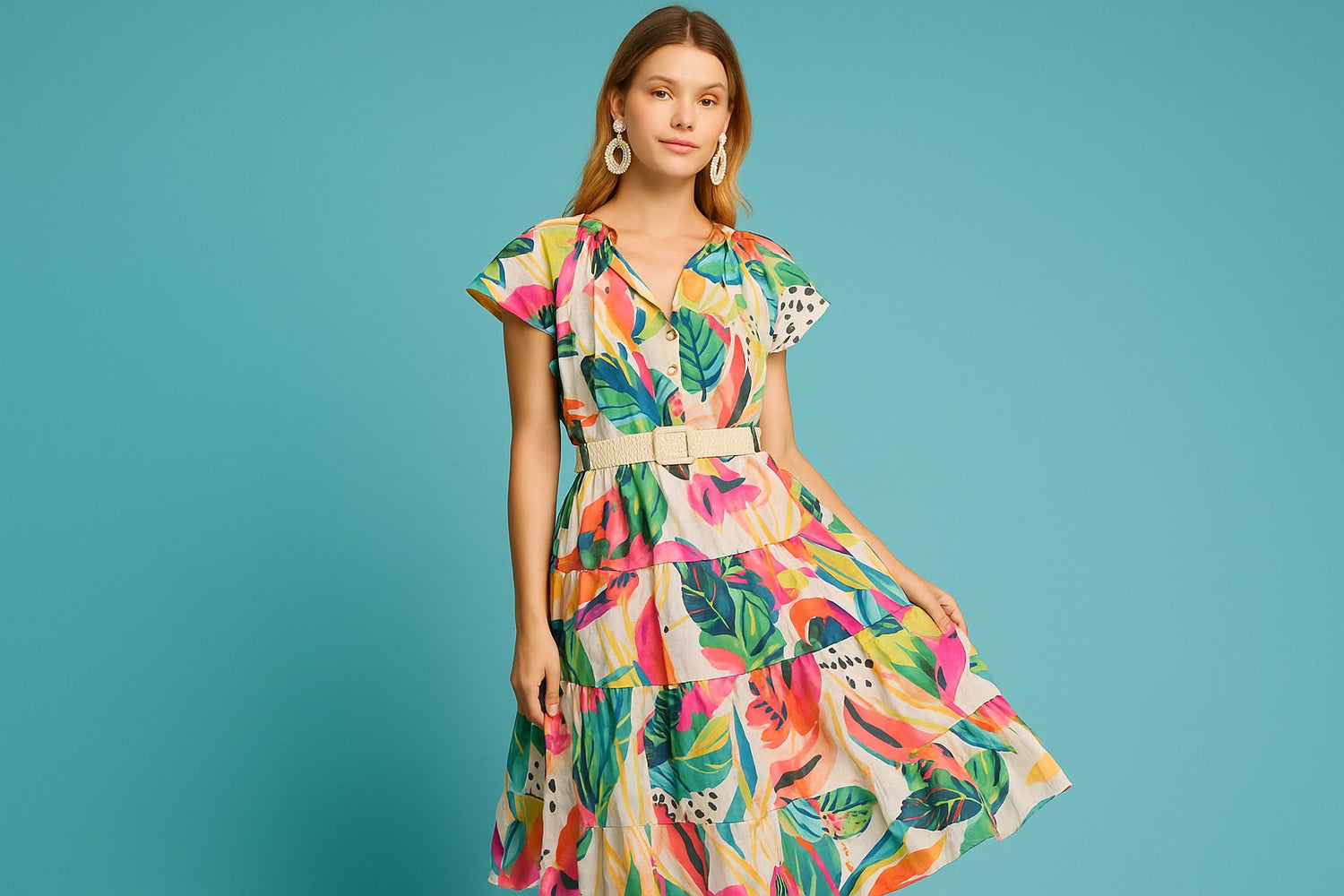
- Printed fabrics: prints hide surface creases that solid colors show. A busy floral dress in jersey arrives looking fine; a solid-color linen dress in the same bag does not.
Fabrics to pack last and handle carefully: linen, rayon/viscose, chiffon, satin, anything with embroidery or beading. These are worth bringing — just plan for them.
According to the European Confederation of Linen and Hemp (CELC), linen fiber has a natural tendency to wrinkle because its cellulose structure lacks the elastic recovery of synthetic or protein fibers — which is exactly why it needs more care in transit, not less.
For a full breakdown of how different fibers behave in washing and wear, see our Sustainable Fabrics Guide. And if you're building a trip wardrobe from scratch, our Summer Capsule Wardrobe guide covers the exact pieces worth packing for a 10-day trip.
Frequently asked questions
Does rolling clothes really prevent wrinkles?
For knit and jersey fabrics, yes — rolling distributes compression gradually instead of creating one sharp fold line, and knit structures spring back when unrolled. For woven fabrics like linen and cotton, rolling creates multiple small rolling creases rather than one fold crease. Neither is perfect, but the fold is easier to press out. Roll knits, fold wovens.
What's the best way to pack a linen dress without wrinkling it?
Fold it as few times as possible, place tissue paper between each fold layer, and pack it on top of everything else so nothing heavy presses down on it during transit. When you arrive, hang it in a steamy bathroom for 15–20 minutes. Linen will always show some transit creasing — the goal is to keep those creases light enough that steam and gravity fix them quickly.
Should I use packing cubes?
Yes, with one caveat: packing cubes work best for rolled items (knits, jersey, denim). Compressing woven fabrics tightly into a packing cube creates the same problem as overpacking a suitcase — sustained pressure on fibers that can't recover. Use cubes for your rolls, and lay fold-sensitive items flat on top of the cubes rather than inside them.
How do I pack a blazer so it doesn't lose its shape?
The best option is to wear it on the plane. If it has to go in the bag, turn it inside out, fold along the natural shoulder seam, and place it flat on top of everything else. Stuff the sleeves with rolled socks to maintain the shoulder structure. A structured blazer is one of the few items where a flat fold is always better than a roll.
Can I pack silk in a checked bag?
You can, but it needs protection. Place silk in a sealed zip bag or dry-cleaning bag to guard against moisture and toiletry leaks. Bundle-wrap it inside a jersey piece so no hard fold line ever contacts the silk directly. Pack it in the middle of the suitcase, surrounded by soft rolled items, not at the top where it can shift freely. Checked bags are rougher on delicate fabrics than carry-ons — if the piece is irreplaceable, carry it on.