
Sustainable Fabrics Guide: What They Are, How They're Made, and Why It Matters
Today is Earth Day. Which means every brand with a mailing list is sending you something about sustainability. Some of it is real. A lot of it is a color palette and a press release. This guide is neither — it's a fabric-by-fabric breakdown of what actually makes a material more sustainable, what the trade-offs are, and how to use that information the next time you're standing in front of a checkout screen.
Why fabric choice matters more than the "sustainable" label
The word "sustainable" on a hangtag means nothing without context. It's not a regulated term. A brand can print it next to a polyester blend and face zero consequences. What does carry weight: fiber origin, production process, certifications (GOTS, OEKO-TEX, bluesign), and — this one gets skipped constantly — how long the garment lasts before it ends up in a landfill.
The fashion industry generates 92 million tons of textile waste per year (UN Environment Programme, 2023). The single most impactful thing a consumer can do isn't buy a "sustainable" item — it's buy fewer items and wear them longer. A conventional cotton dress worn 200 times has a lower carbon footprint per wear than an organic cotton dress worn 10 times and donated after a season.
That said, fiber choice still matters at scale. Here's what the data actually says, category by category.
Linen — the benchmark
Linen comes from the flax plant. Flax grows in poor soil with minimal irrigation, requires no pesticides when grown in Europe, and every part of the plant gets used. The fiber itself is strong — a linen garment held well lasts 10–15 years, not three.
Linen production uses 75% less water than conventional cotton (CELC, European Confederation of Linen and Hemp). That's not a rounding difference. It's the reason linen is the closest thing the industry has to a default sustainable choice for warm-weather clothing.
The trade-off: linen wrinkles. That's not a manufacturing flaw — it's the fiber releasing moisture and drying flat. You either embrace it or you buy a knit. Linen also softens significantly with washing, which means the first few wears feel stiffer than the tenth. Give it time.
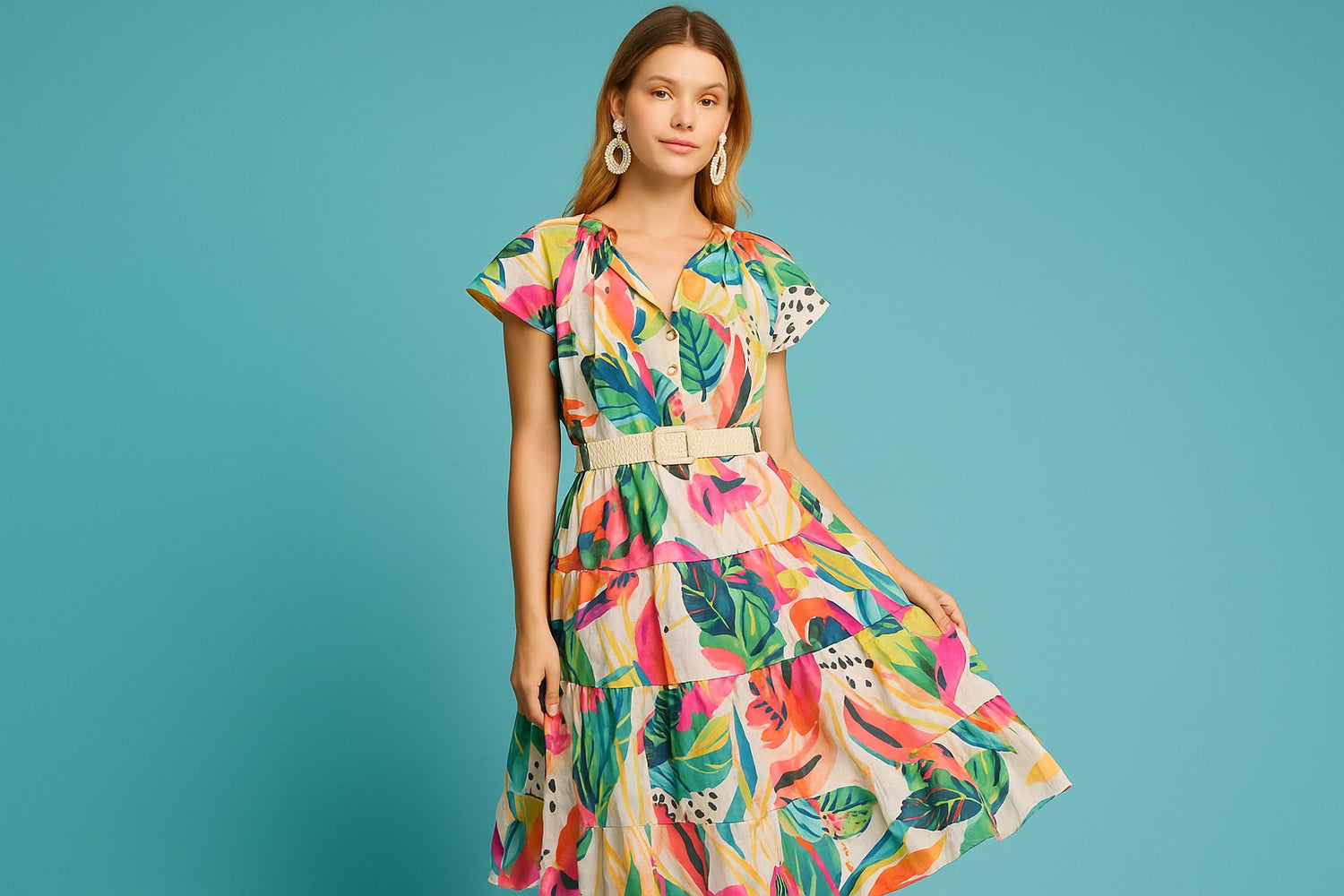
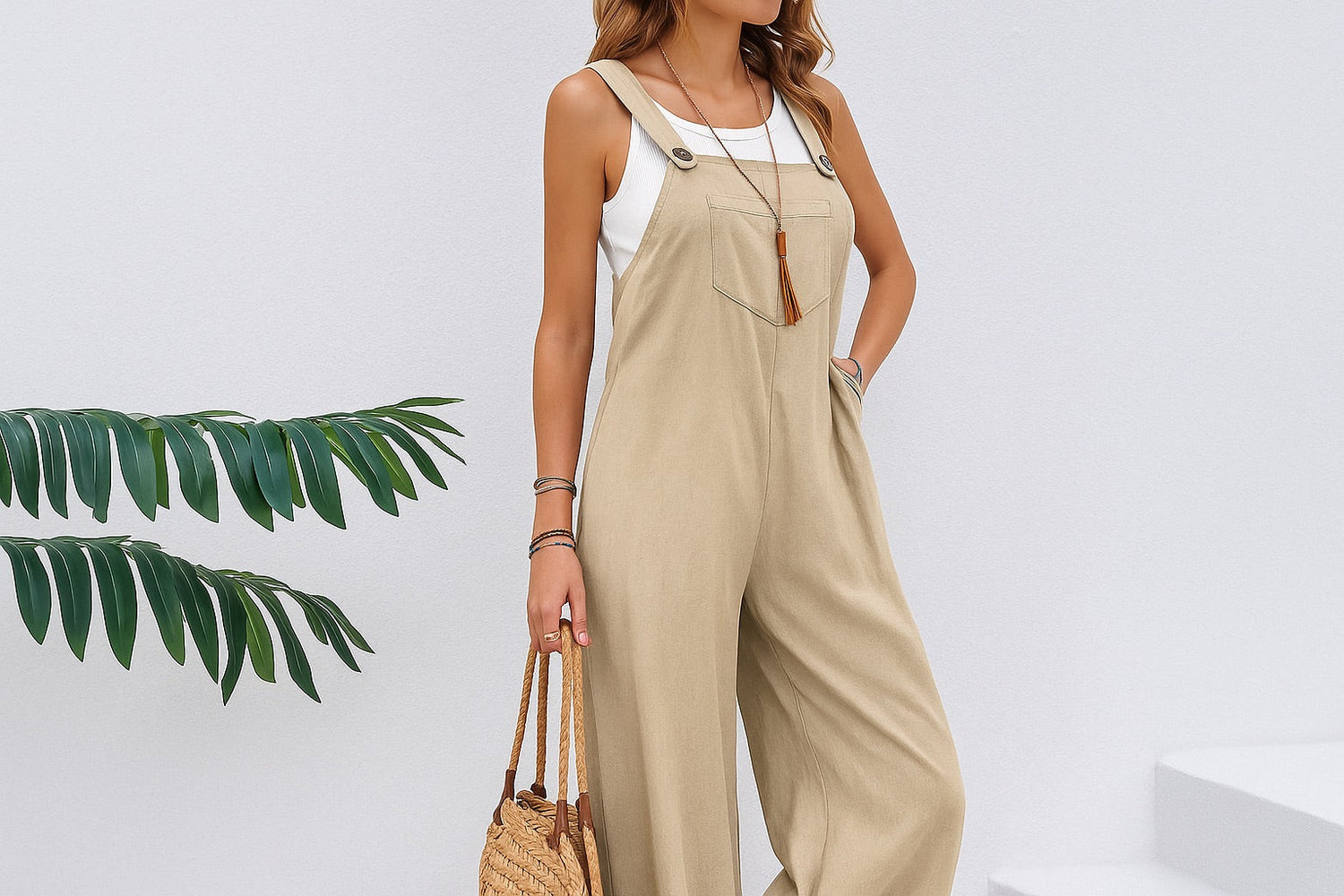
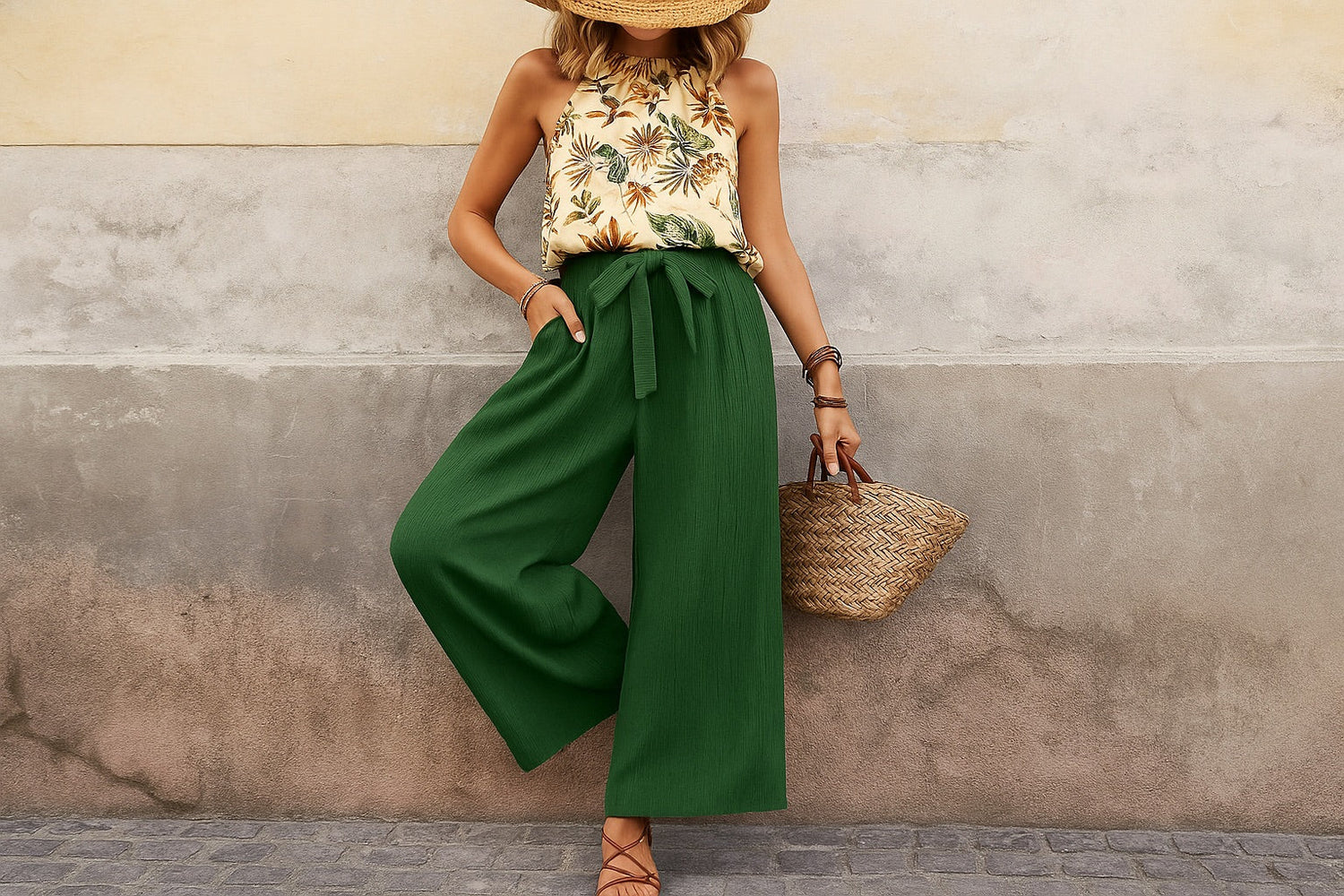
Where linen works best in a wardrobe: summer dresses, wide-leg pants, and blouses — anything that benefits from natural drape and breathability in warm weather. For year-round pieces, it pairs well with other natural fibers in blends.
Organic cotton — better, not perfect
Conventional cotton is one of the most chemically intensive crops on earth. It covers 2.5% of the world's cultivated land but accounts for 16% of all insecticides used globally (WWF, 2024). Organic cotton eliminates synthetic pesticides and fertilizers, which is a real improvement for soil health and farmworker safety.
The catch: organic cotton still uses significant water. Growing 1kg of cotton fiber requires roughly 10,000 liters of water, organic or not (Water Footprint Network). The organic certification addresses chemical inputs — not water consumption.
What to look for: GOTS (Global Organic Textile Standard) certification covers both the fiber and the processing chain. A garment labeled "made with organic cotton" without GOTS may use organic fiber but finish it with conventional dyes and chemicals. The certification closes that gap.
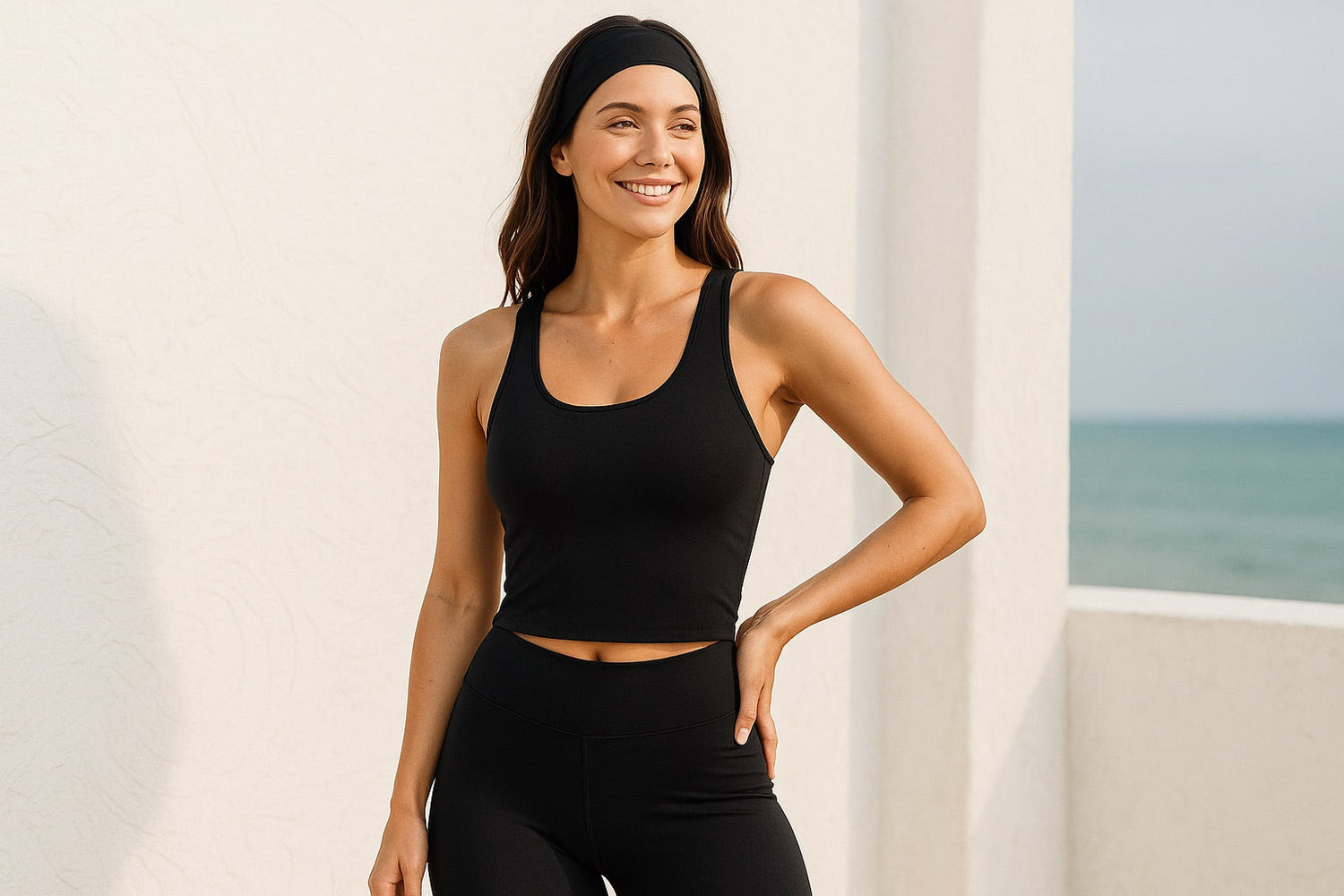
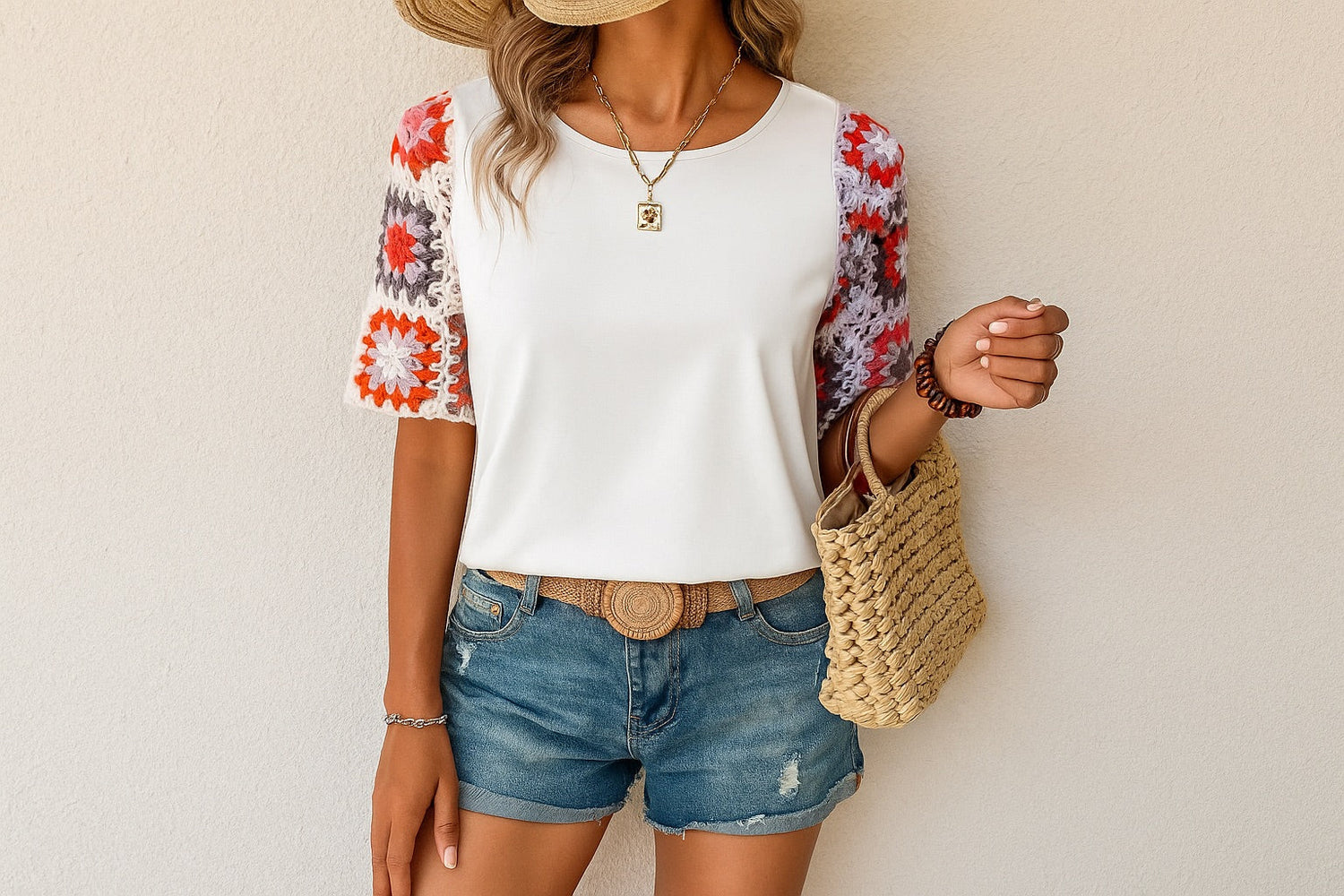
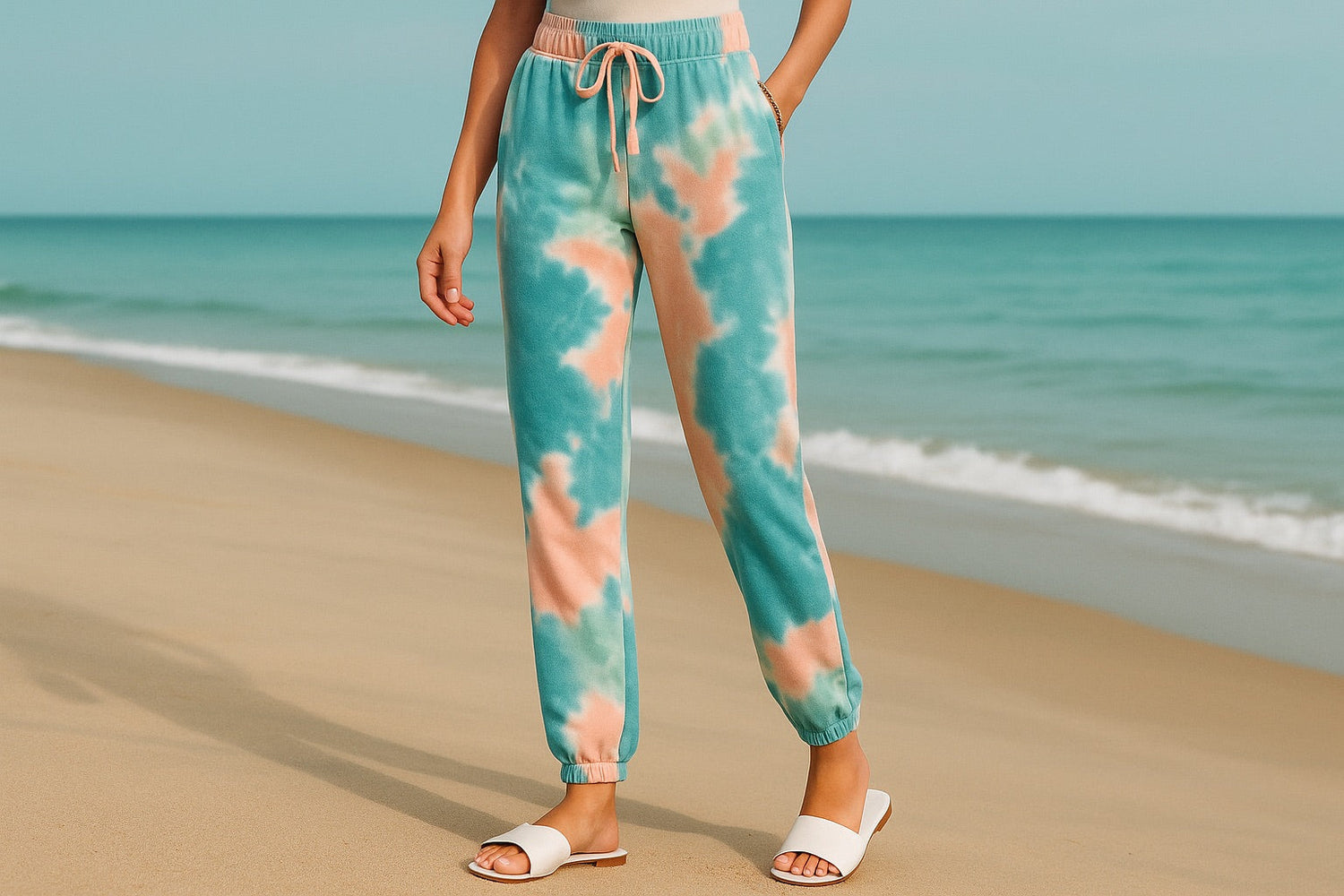
Organic cotton is the right choice for everyday basics — tank tops, graphic tees, loungewear sets — where you want natural fiber against skin and you're washing frequently. It holds up well to repeated washing better than most synthetics.
Tencel (lyocell) — the closed-loop fiber
Tencel is a brand name for lyocell fiber produced by Lenzing AG. It's made from wood pulp — typically eucalyptus, beech, or sustainably harvested spruce — dissolved in a non-toxic solvent that is recovered and reused in a closed-loop process. Over 99% of the solvent is recaptured. That's what "closed-loop" actually means in practice.
The result is a fiber that uses significantly less water than cotton, biodegrades under the right conditions, and produces a fabric that drapes like silk but washes like cotton. It's also naturally moisture-wicking — which is why it shows up in activewear and loungewear as often as in dresses.
One caveat: "lyocell" as a generic term doesn't guarantee the same production standards as Tencel specifically. If the label says lyocell without a Lenzing trademark, the process may differ. When sustainability is the goal, look for the Tencel brand mark or equivalent third-party certification.
"Tencel is the fabric I recommend most often to clients who want to shop more sustainably but aren't ready to give up softness or drape. It performs like a luxury fiber and it's genuinely better for the environment — not just marketed that way."
— Lena Park, Livostyle Care & Materials Editor
Recycled synthetics — complicated but useful
Recycled polyester (rPET) is made from post-consumer plastic — mostly PET bottles. It uses 30–50% less energy to produce than virgin polyester (Textile Exchange, 2023) and diverts plastic from landfills. For garments where synthetic fiber is genuinely necessary — swimwear, activewear, outerwear — recycled polyester is a meaningful improvement over virgin.
The complication: recycled polyester still sheds microplastics when washed. Every wash cycle releases thousands of synthetic fibers into wastewater, and current filtration systems don't catch all of them. A Patagonia-commissioned study found that a single fleece jacket sheds up to 250,000 microfibers per wash (Patagonia Environmental Research, 2016 — still the most-cited data on this). Washing less frequently and using a microplastic-catching laundry bag reduces — but doesn't eliminate — the problem.
For swimwear and workout sets, recycled synthetics are the practical choice. For dresses, tops, and anything you'd wash weekly, prioritize natural fibers instead.
Modal and bamboo — read the label carefully
Modal is another Lenzing product — a semi-synthetic fiber made from beech wood pulp, processed similarly to Tencel. It's softer than Tencel, less structured, and works well in knits and underwear. The environmental profile is comparable when produced by Lenzing; generic "modal" from other producers varies.
Bamboo is where marketing outruns reality. Bamboo the plant is genuinely sustainable — it grows fast, requires no pesticides, and sequesters carbon. Bamboo the fabric is almost always bamboo viscose, which involves a chemically intensive process that strips out most of the plant's natural properties. The resulting fiber is soft and cheap to produce, but the environmental advantage of the raw material largely disappears in processing.
Exception: bamboo linen (mechanically processed bamboo fiber) retains more of the plant's sustainability credentials, but it's rare and expensive. If a bamboo garment is priced like fast fashion, it's almost certainly viscose.
What to skip, or at least question
Three categories deserve skepticism:
- Conventional polyester and nylon — derived from petroleum, slow to degrade, and microplastic-shedding. Not worth it for garments you'll wear against skin or wash frequently.
- Viscose/rayon without certification — can be made sustainably (see modal, Tencel), but generic viscose often involves toxic solvents and poorly regulated processing. Look for ECOVERO certification (also Lenzing) as a benchmark for responsible viscose.
- "Eco" blends that are mostly synthetic — a fabric labeled "eco blend" that's 70% polyester and 30% recycled polyester is still mostly petroleum. The label does more work than the fiber content.
How to shop sustainable fabrics without overthinking it
A practical hierarchy for everyday shopping decisions:
- Check the fiber content label first. If it's over 50% synthetic and you're buying it for everyday wear, pause. Natural or semi-synthetic fibers (linen, organic cotton, Tencel, modal) are almost always a better choice for non-performance clothing.
- Look for certifications, not claims. GOTS, OEKO-TEX Standard 100, Tencel trademark, bluesign, and ECOVERO are independently verified. "Eco-friendly" and "sustainable" without a certification mark are marketing.
- Think about care before you buy. A dry-clean-only "sustainable" dress has a higher lifetime footprint than a machine-washable cotton one. Care instructions are part of the sustainability equation.
- Buy less, wear more. This is still the highest-leverage choice. A smaller minimalist wardrobe of well-made pieces beats a large wardrobe of certified sustainable ones worn twice.
Our dresses and tops that include natural fiber content are labeled with fabric details on each product page. When in doubt, the fiber content is in the product description — check it before checkout.
For more on how Livostyle approaches sourcing, see our sustainability sourcing article.
Care extends the life of any fabric
The most sustainable garment is the one already in your closet, worn for another season. Care is the part of sustainability that gets left out of Earth Day conversations — probably because it doesn't sell anything.
Three rules that apply across all natural fibers:
- Wash cold. Hot water degrades fiber structure faster than almost anything else. Cold washing also uses 90% less energy than hot (U.S. Department of Energy, 2022).
- Air dry when possible. Tumble drying is the fastest way to shorten a garment's life — heat breaks down elastane, shrinks natural fibers, and accelerates pilling in knits.
- Wash less frequently. Most garments don't need washing after every wear. Linen and cotton can be aired out between wears. Spot-treat stains immediately rather than running a full wash cycle for a single mark.
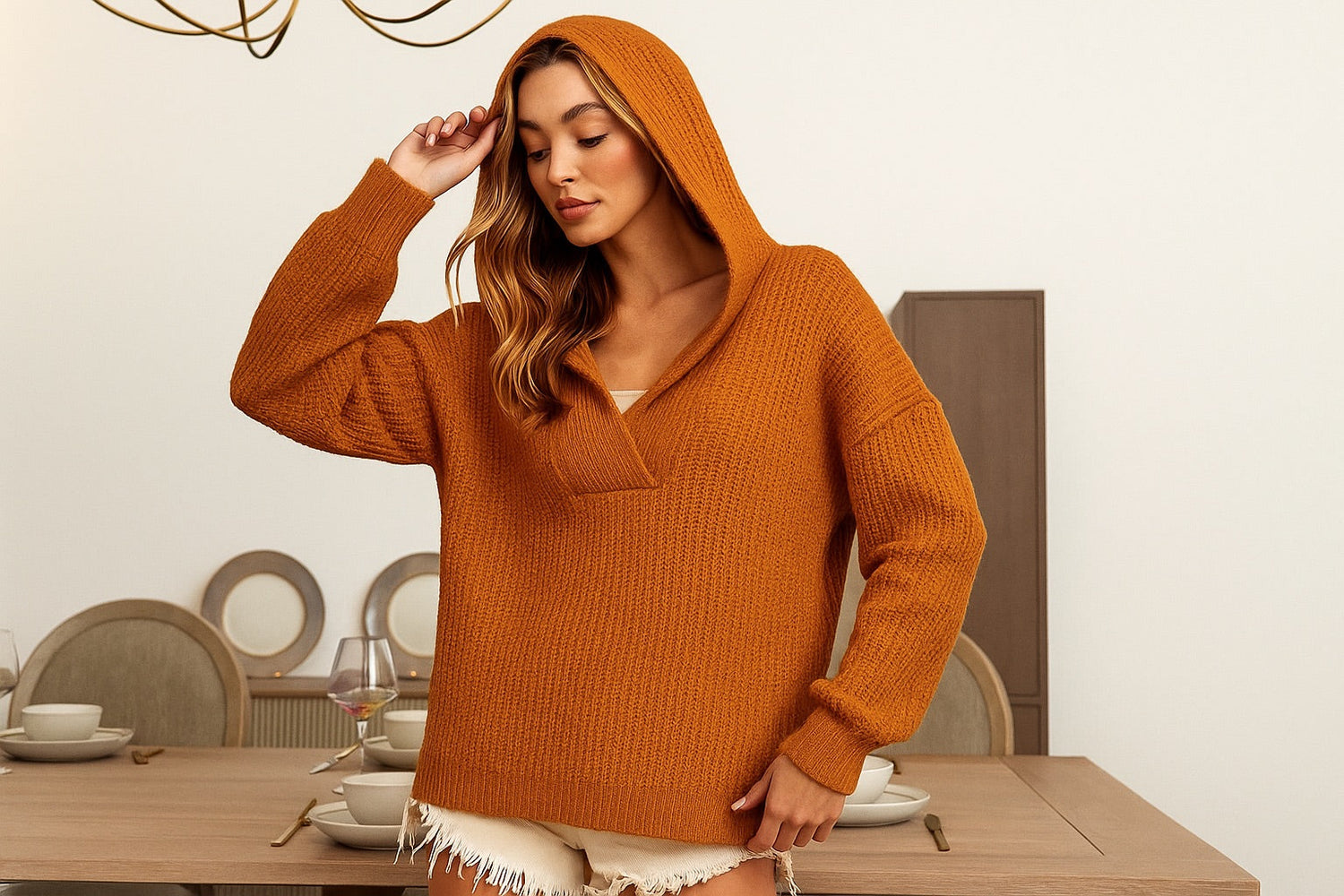
For knits specifically — sweaters and knitwear, ribbed pieces, anything with stretch — store folded rather than hung. Hanging stretches the shoulder seams over time and deforms the silhouette. A folded knit lasts significantly longer than a hung one.
Frequently asked questions
What is the most sustainable fabric for clothing?
For most everyday clothing, linen is the strongest choice — it requires minimal water and pesticides, biodegrades naturally, and lasts 10–15 years with proper care. Tencel (lyocell) is a close second for garments where drape and softness matter more than structure. Organic cotton is better than conventional cotton but still water-intensive. No single fabric is perfect; the most sustainable garment is the one worn the most times per year.
Is bamboo fabric actually sustainable?
Bamboo the plant is sustainable. Bamboo fabric — almost always bamboo viscose — is not particularly sustainable, because the chemical process used to convert the plant into fiber is intensive and often poorly regulated. The raw material's advantages largely disappear in processing. Mechanically processed bamboo linen is a better option but rare and expensive. If a bamboo garment is priced similarly to fast fashion, it's viscose.
How do I know if a "sustainable" claim on a clothing label is real?
Look for third-party certifications: GOTS (Global Organic Textile Standard) for organic fibers, OEKO-TEX Standard 100 for chemical safety, Tencel or ECOVERO trademarks for responsibly produced wood-based fibers, and bluesign for synthetic performance fabrics. The word "sustainable" or "eco-friendly" without a certification mark is unverified. Check the fiber content percentage — a garment that's 70% polyester with a green label is still mostly petroleum.
Does washing sustainable fabrics require anything special?
Cold water and air drying cover most natural fibers. Linen softens with washing and should be hung or laid flat to dry — it re-drapes when damp, so ironing is rarely necessary. Tencel and modal are machine-washable but benefit from a gentle cycle to preserve drape. Organic cotton washes like conventional cotton — cold, gentle, and air-dried when possible. For all natural fibers, avoid fabric softener: it coats the fiber and reduces breathability over time.
Is recycled polyester better than regular polyester for swimwear?
Yes — recycled polyester (rPET) uses 30–50% less energy to produce than virgin polyester and diverts plastic from landfills. For swimwear and activewear, where synthetic fiber is genuinely necessary for performance and durability, rPET is the right choice. The microplastic shedding issue applies to both, but washing less frequently and using a microplastic-catching laundry bag reduces the impact. For non-performance clothing, prioritize natural fibers over any polyester, recycled or not.