
How to Pack a Carry-On for a 7-Day Trip: A Stylist's Packing List
Packing a carry-on for seven days comes down to one rule: build around a color palette, not individual outfits. Pick three neutrals and one accent color, choose pieces that cross-dress between day and evening, and you will land with a bag that closes and a closet that works. Below is the exact system we use — fabric choices, category counts, and the order things go in.
Why carry-on only is worth the discipline
Checked bags cost an average of $35–$40 each way on US domestic carriers in 2026 — that's $80 round-trip before you've bought a single coffee at the airport. More practically, a checked bag means waiting at baggage claim, which on a busy summer Saturday can add 45 minutes to your arrival. Carry-on forces editing decisions that make your travel wardrobe smarter.
The standard carry-on allowance is 22" × 14" × 9" on most US carriers. That's roughly 40–45 liters of space. Seven days of clothes absolutely fits in that volume — if you choose the right pieces. The problem is never the bag. It's the "just in case" items that blow the count.
The palette rule that makes everything work
Before you pull a single item from your closet, decide on your palette. Three neutrals plus one accent is the formula. For summer 2026, that might look like: white + sand + black + terracotta. Or navy + cream + stone + sage. The specific colors matter less than the constraint.
Every item you pack should work with at least two other items in the bag. If a piece only pairs with one specific outfit, leave it. This is the test: hold it up and count the combinations. Three or more — it earns a spot. One — it stays home.
Our vacation outfits edit is built around exactly this logic. Most of the pieces there cross-reference each other by design — it's how we select them.
"The biggest packing mistake isn't bringing too many clothes — it's bringing clothes that don't talk to each other. One rogue print can strand three perfectly good pieces."
— Sarah Lin, Livostyle Style Editor
Fabric first: what actually packs well
Fabric is the difference between a bag that closes easily and one you're sitting on. Here's how the main categories perform:
- Linen: packs small, breathes at 90°F+, wrinkles intentionally (that's the look — lean into it). Linen dresses are the single highest-utility travel item we know. One dress, three occasions.
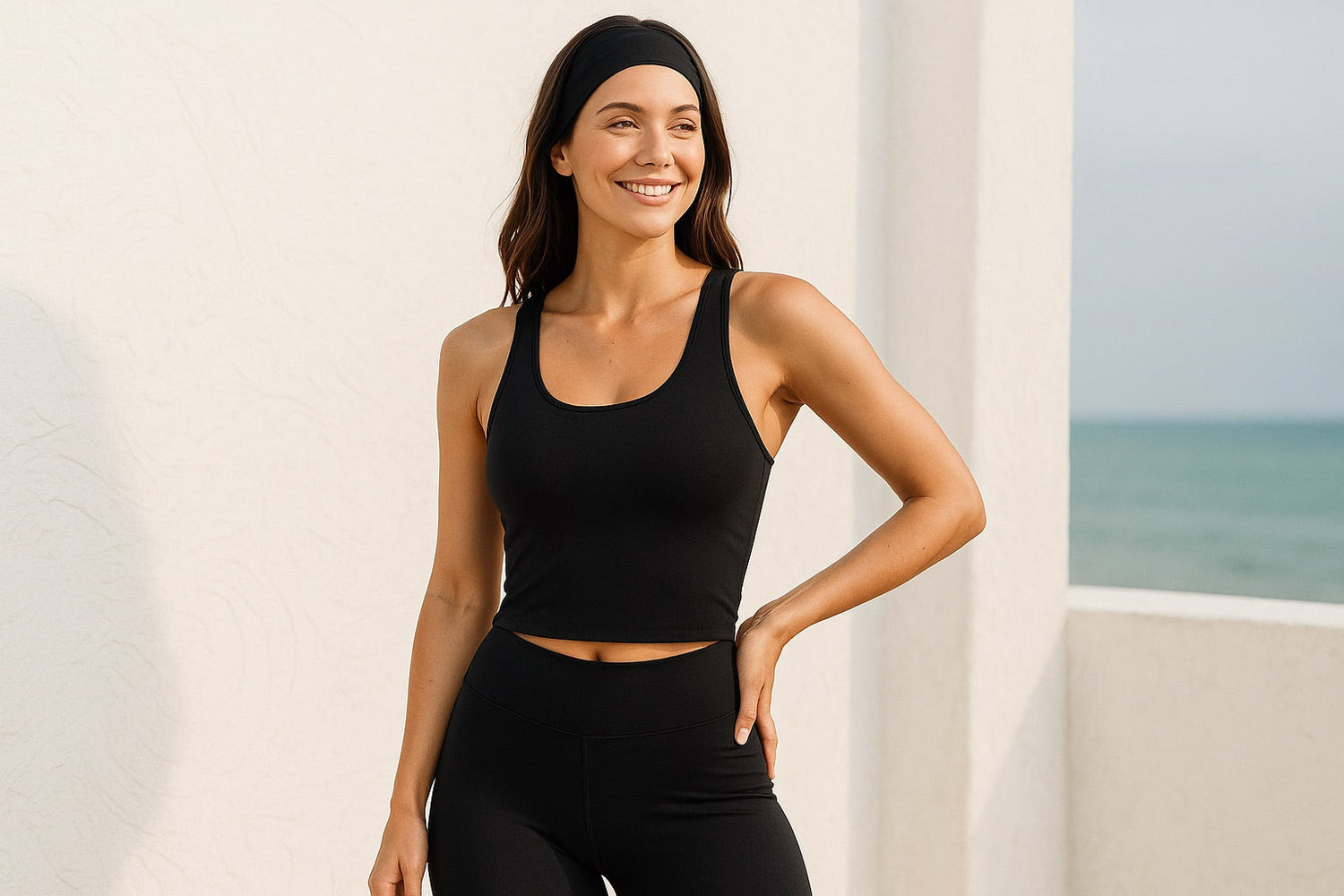
- Cotton jersey: lightweight, compresses well, recovers quickly from folding. The backbone of any travel wardrobe. Tank tops, t-shirt dresses, casual midi lengths — all in jersey.
- Tencel / modal: drapes beautifully, resists wrinkles better than linen, and feels cool against skin in humid climates. Worth seeking out for blouses and dresses you plan to wear to dinner.
- Polyester blends: pack small and dry fast — useful for one or two active pieces. But they trap heat and smell faster than natural fibers, which matters by day four of a trip.
- Denim: heavy, slow to dry, takes up disproportionate space. One pair maximum. If you can swap it for a cotton twill or a structured wide-leg pant, do it.
Linen production uses 75% less water than cotton (CELC, European Confederation of Linen and Hemp) — so choosing it for travel is both practical and lower-impact.
For breathable summer options that fold flat, our summer dress collection and matching sets are where we'd start building the bag.
The count: exactly what to bring
Seven days, one bag. Here's the exact breakdown we use:
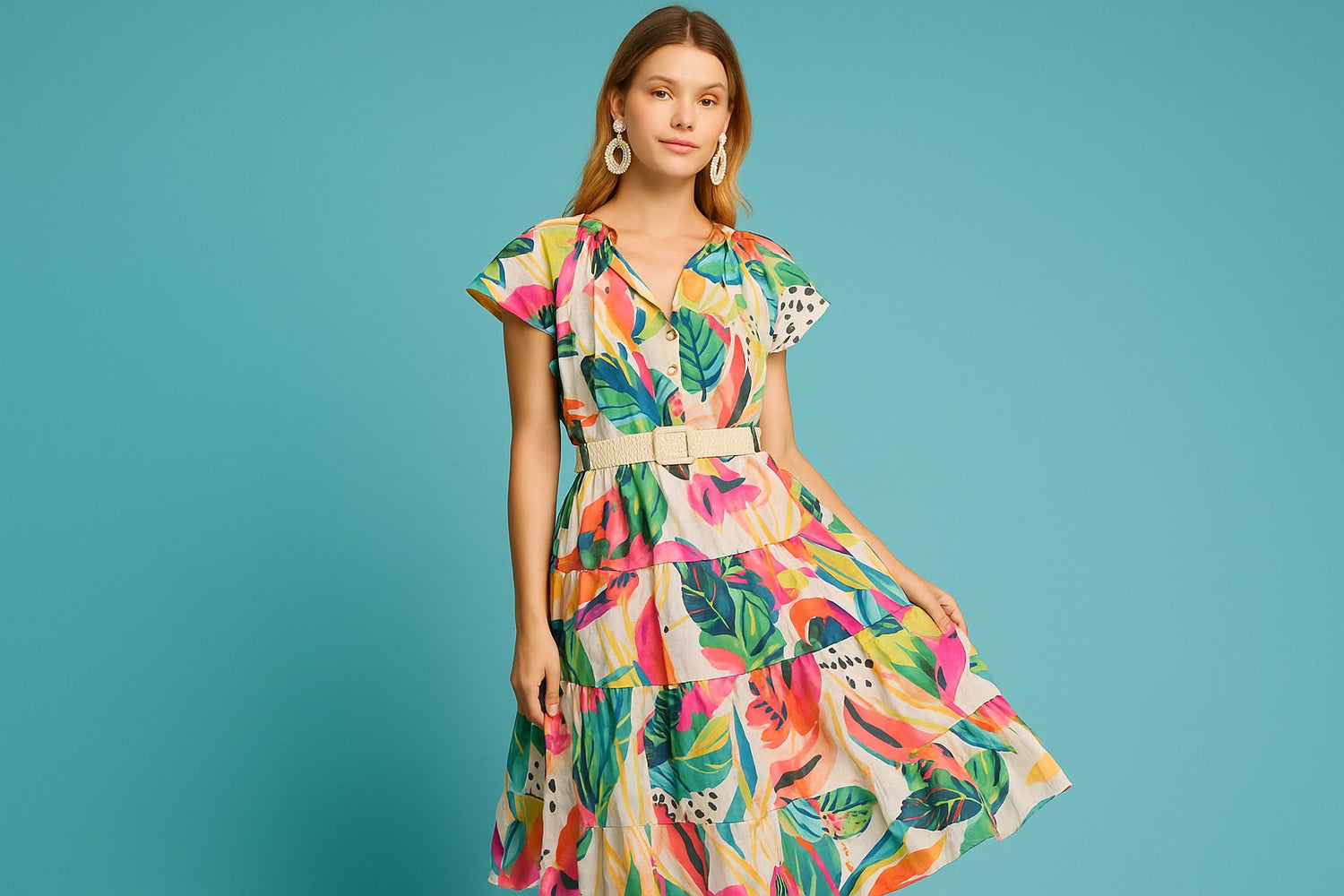
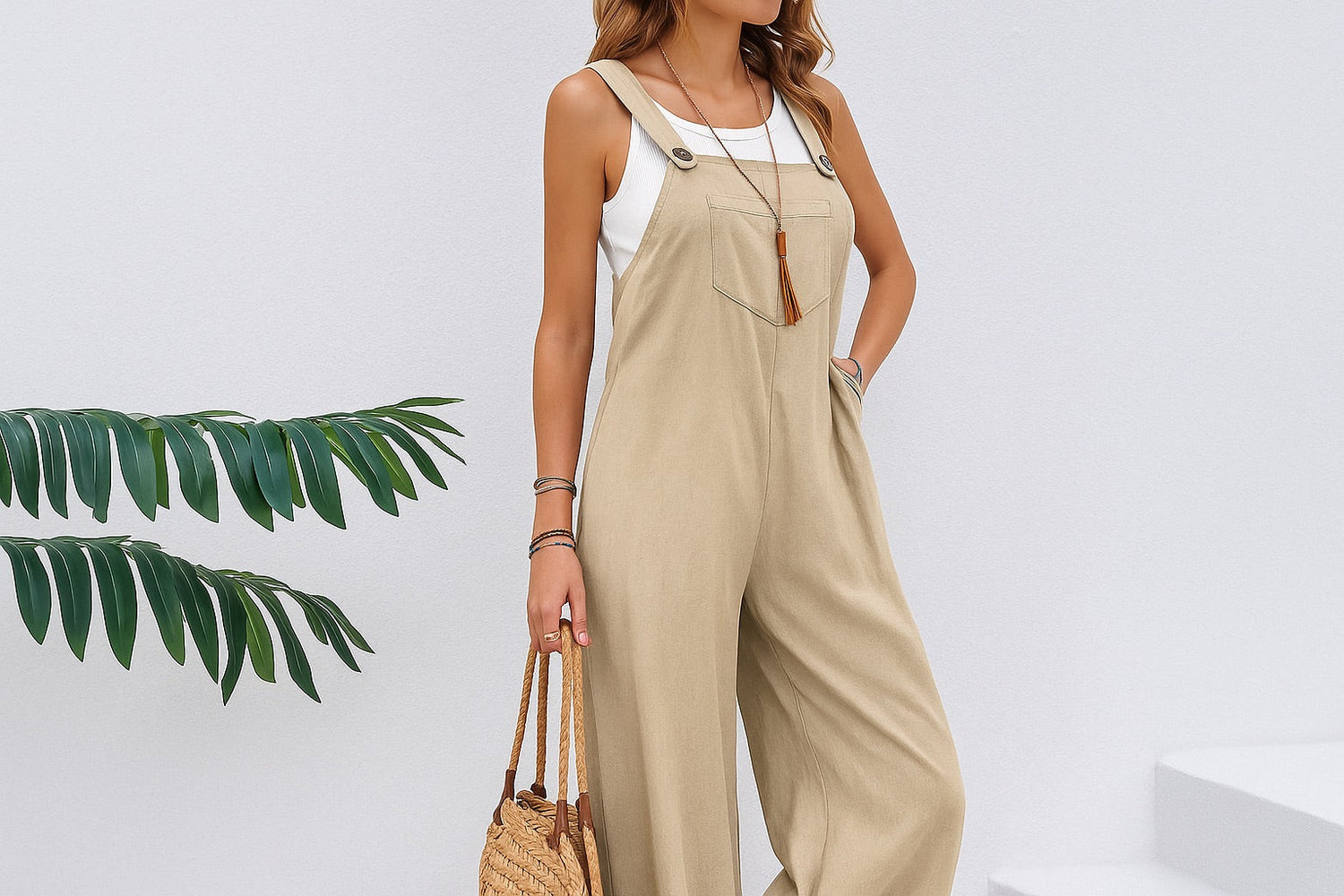
- 2 dresses: one casual (linen or cotton, day-to-beach), one that reads evening (a midi in Tencel or a smocked dress that dresses up with heels). Dresses are the most space-efficient garment category — one piece, full outfit.
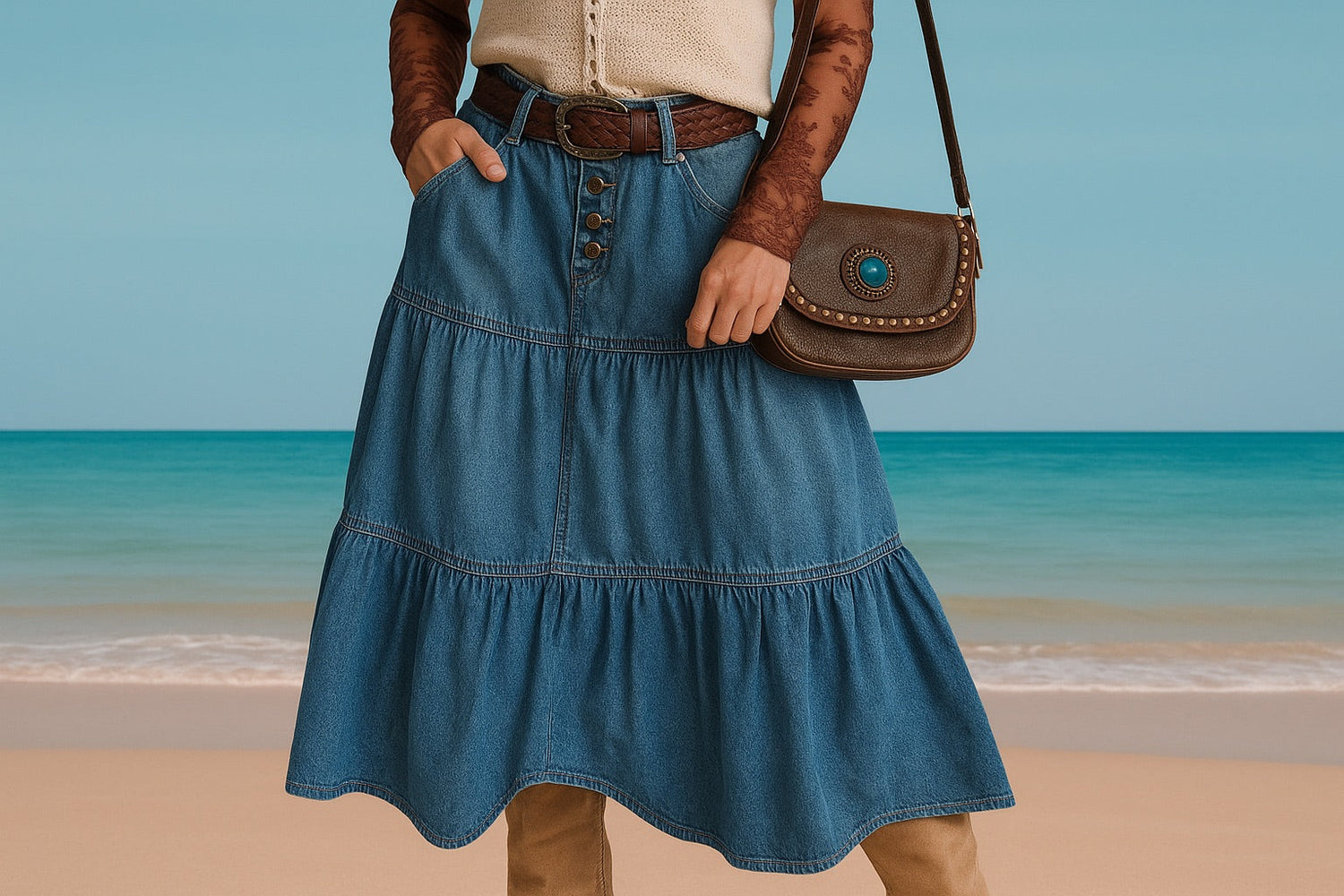
- 2 bottoms: one pair of shorts or wide-leg pants, one skirt (midi or mini depending on your trip). Avoid two pairs of full-length pants — they take up too much volume.
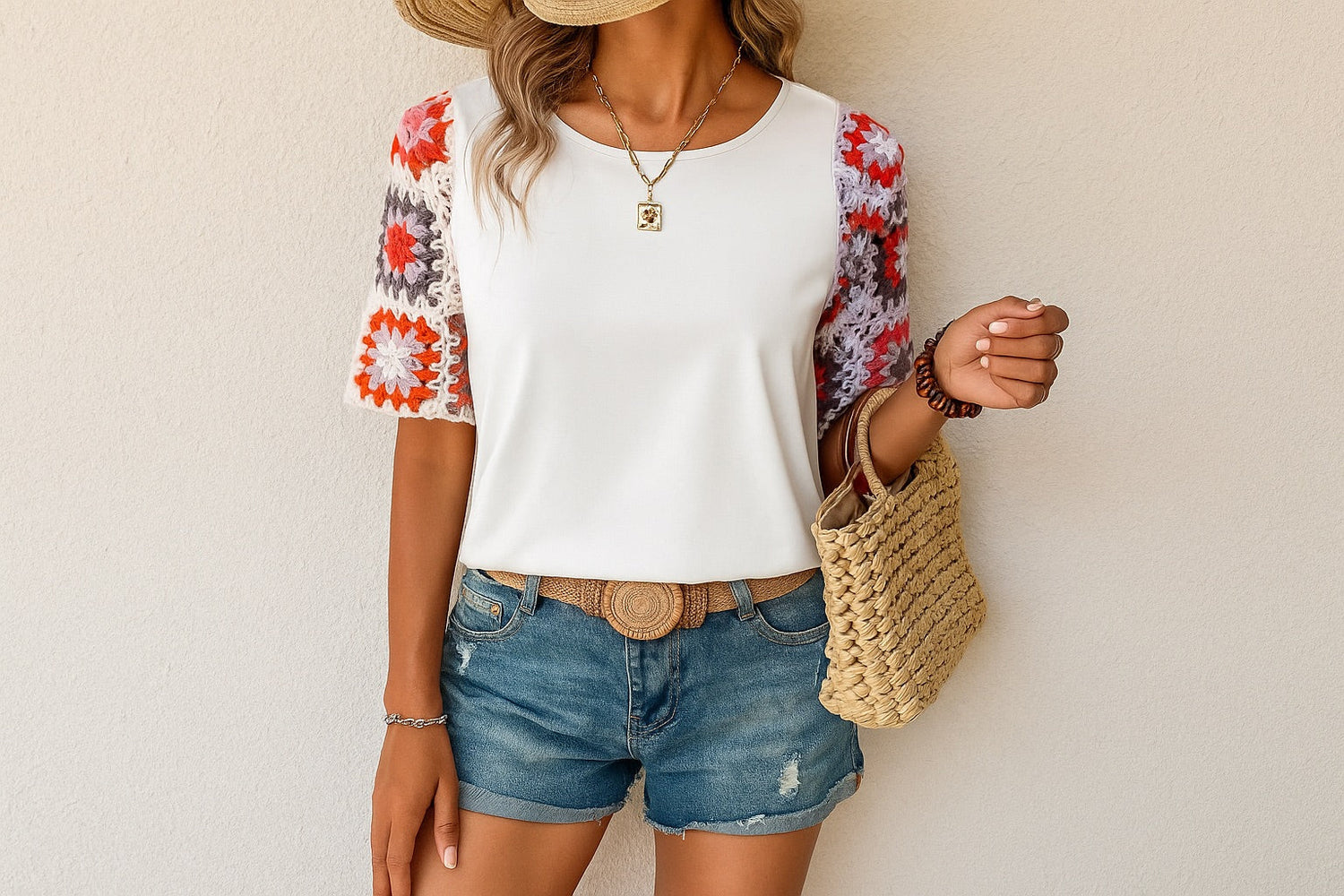
- 5 tops: two tank tops, two short-sleeve tops or blouses, one slightly dressier option (a puff-sleeve blouse or a wrap top). These mix across your bottoms and under your layer.
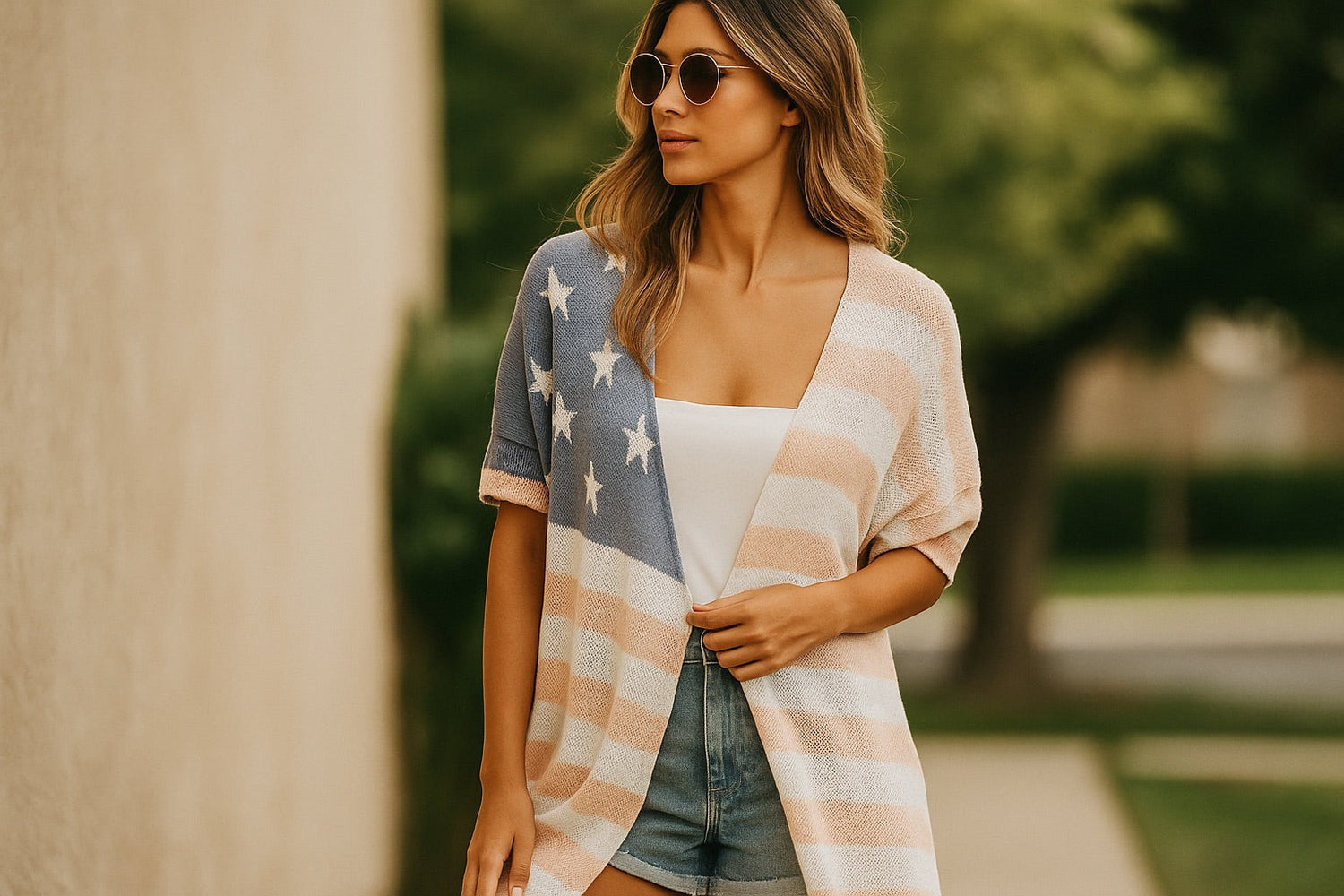
- 1 layer: a lightweight cardigan or an unstructured blazer. One. Not two. The layer does double duty as a plane blanket and an outfit pivot for evenings.
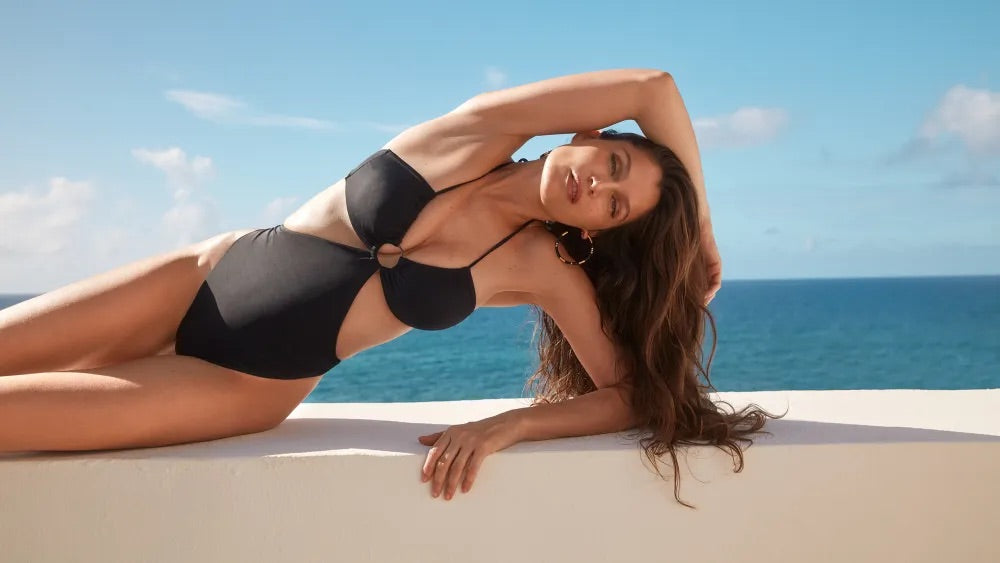
- 1 swimsuit: if your destination involves water. A one-piece or a bikini — not both unless one functions as a bodysuit under shorts.
- Underwear: seven pairs. No rationing needed here — they weigh almost nothing.
- Socks: three pairs if your shoe choices require them.
That's 11 clothing pieces plus underwear. It sounds tight. It isn't — because every piece works with at least three others, which means your actual outfit count is closer to 20+.
For the dresses, our vacation dresses collection covers both the casual and the evening end of the spectrum. For tops, blouses and tank tops are the categories to shop first.
Shoes — the hardest category to edit
Shoes are where carry-on packing falls apart. Two pairs is the rule. Three is the absolute ceiling, and only if one of them is flat sandals that compress to nearly nothing.
The two-shoe formula that covers the most ground:
- Pair 1 — Flat leather sandals: beach, daytime errands, casual dinners, walking tours. Wear these on the plane to save bag space.
- Pair 2 — A low block heel or a dressy flat: evening dinners, cocktail bars, anywhere you want to look pulled together. Block heels are more comfortable across cobblestones than stilettos — we learned this the hard way in Lisbon.
If your trip involves significant walking (cities, hiking, markets), swap Pair 2 for white sneakers and accept that your evening looks will be flat. That's a fine trade. Blisters are not.
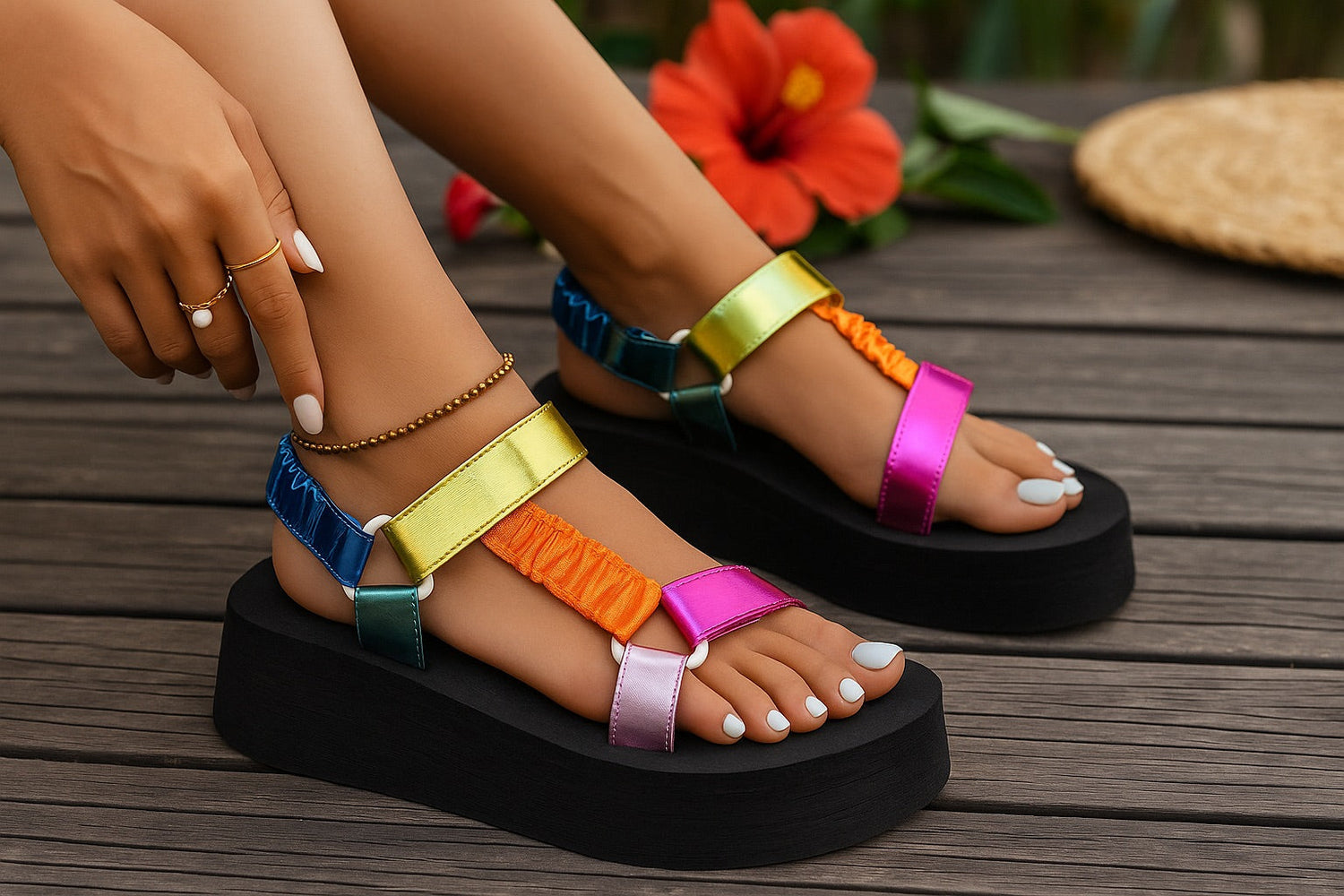
Our sandals and heels collections are edited with exactly this kind of trip in mind — nothing too delicate for real-world use.
Accessories that change the outfit, not the bag
Accessories are the cheat code of carry-on packing. The same white linen dress reads completely differently with a woven straw hat and flat sandals versus gold hoops and a block heel. The dress didn't change. The occasion did.
Pack these, and only these:
- 2–3 pairs of earrings: one simple stud or small hoop for day, one statement piece for evening. Small, weightless, high impact.
- 1 necklace: a delicate layered chain that works across everything. Skip the statement necklace unless it's the centerpiece of a specific planned outfit.
- 1 bag that does two jobs: a structured crossbody bag works for both daytime errands and evening. Bring a lightweight tote only if you genuinely need the extra volume (beach days, market shopping).
- 1 hat: a packable straw or canvas hat. Protects your face, pulls a beach outfit together, and folds flat in the bag's exterior pocket.
- Sunglasses: one pair. In a hard case so they don't get crushed.
For jewelry, our hoop earrings and layered necklaces collections have the low-profile options that travel well. For bags, a single mini bag in a neutral leather tone handles most evening situations.
How to actually fit it all in
The rolling method beats folding for most knit and jersey pieces — it reduces wrinkles and compresses volume. For linen and structured pieces, fold flat and accept the wrinkles (a quick steam with the hotel shower works in 10 minutes).
Packing order, bottom to top:
- Shoes first, in the corners. Stuff socks inside them to maintain shape and use every cubic inch.
- Heaviest items next: jeans or structured pants, folded flat along the spine of the bag.
- Rolled items in the middle: tops, dresses, shorts. Roll tightly and stack side by side (not stacked on top of each other) so you can see everything at once.
- Layer and swimsuit on top: these are the first things out at the hotel.
- Accessories in the exterior pocket: jewelry in a small zip pouch, sunglasses in their case, hat compressed flat.
Liquids go in a separate 1-quart bag in the exterior pocket for easy TSA removal. If you're checking into hotels with toiletries, consider buying shampoo and conditioner there — it frees up significant bag space and removes the liquid stress entirely.
The three packing mistakes we see every summer
After styling travel wardrobes for years, the same errors come up repeatedly:
- Packing for "what if" instead of "what's planned." You don't need a formal dress for a dinner that hasn't been booked. Pack for what's on the itinerary. If something unexpected comes up, most destinations have shops.
- Bringing full-size everything. A full-size dry shampoo takes the space of two rolled tank tops. Decant into travel sizes, or buy on arrival. The same applies to shoes — three pairs of heels for a beach week is a choice that costs you two outfit options in clothing.
- Ignoring the laundry option. Most hotels offer laundry, and most destinations have laundromats. One laundry day mid-trip effectively doubles your wardrobe. If you're traveling for more than five days, plan for it. It changes the math entirely — you can pack even lighter and still have clean clothes every day.
The whole point of a carry-on wardrobe is freedom: no waiting, no fees, no lost bags. The editing process is the work. Once you're at the airport, it pays off every time.
Frequently asked questions
Can you really pack 7 days of clothes in a carry-on?
Yes — with the right piece count and a single color palette. The key is choosing items that combine with each other rather than packing complete, standalone outfits. Four bottoms, five tops, and two dresses yield well over 20 outfit combinations. Natural fabrics like linen and cotton jersey compress smaller than most people expect.
What's the best fabric for travel clothes?
Linen, cotton jersey, and Tencel are the top three. Linen packs small and breathes in heat; cotton jersey compresses well and recovers from folding; Tencel resists wrinkles and drapes cleanly for evening. Avoid heavy denim and thick knits — they take up disproportionate space relative to the outfits they deliver.
How many shoes should you pack for a week-long trip?
Two pairs covers most trips. Flat leather sandals handle daytime and casual evenings; a low block heel or dressy flat handles dinner and cocktail situations. If your trip is city-heavy with a lot of walking, swap the heel for white sneakers. Three pairs is the absolute maximum — anything beyond that trades outfit options for shoe space.
What's the best way to prevent wrinkles in a carry-on?
Roll jersey and knit pieces tightly instead of folding. For linen, fold flat and accept the wrinkles — hang the piece in the bathroom while you shower and the steam relaxes it within 10 minutes. For Tencel and modal blouses, fold around a dry-cleaning bag (the slick surface prevents creasing). Packing cubes help maintain organization but don't significantly reduce wrinkles on their own.
Should you pack a carry-on differently for a beach trip vs. a city trip?
Yes. A beach trip shifts the balance toward dresses, swimwear, and cover-ups — fewer structured pieces, more lightweight layers. A city trip needs at least one outfit that reads polished (a midi dress or a blouse-and-trouser combination) and shoes that handle cobblestones. The core palette rule and piece count stay the same; the specific categories shift based on the itinerary.