
Quiet Luxury vs. Loud Luxury: Where Style Lands in 2026
Two years ago, quiet luxury was everywhere — beige cashmere, no logos, the studied non-effort of looking like you'd never checked a price tag. Then the pendulum started moving. Bold color, visible craft, and statement pieces pushed back. Now, in mid-2026, neither aesthetic has won. They've merged into something more useful: a wardrobe that knows when to speak and when to stay quiet. Here's how to read the shift — and dress for it.
How we got here: the quiet luxury arc
Quiet luxury peaked in 2023–2024, driven by a very specific cultural mood: post-pandemic exhaustion with fast fashion, a reaction against logomania, and the visual language of HBO's Succession. The uniform was recognizable — minimalist basics in neutral tones, impeccable tailoring, nothing that asked for attention. The message was legibility to those who knew, invisibility to those who didn't.
It worked because it was genuinely different from what came before. After years of maximalism and trend-chasing, restraint read as radical. The problem: restraint is only radical until everyone copies it. By late 2024, every fast-fashion retailer had a "quiet luxury" section, and the aesthetic lost its edge. You can't signal "above the fray" when the fray has adopted your uniform.
That's the moment loud luxury stepped back in. Not the logomania of the early 2010s — something more considered. Color, craft, and visible effort. Google Trends data shows searches for "bold color outfit" rose 62% between January and May 2026, while searches for "quiet luxury outfit" declined 28% from their 2024 peak. The shift is real. But it's not a reversal — it's a recalibration.
What "loud luxury" actually means in 2026
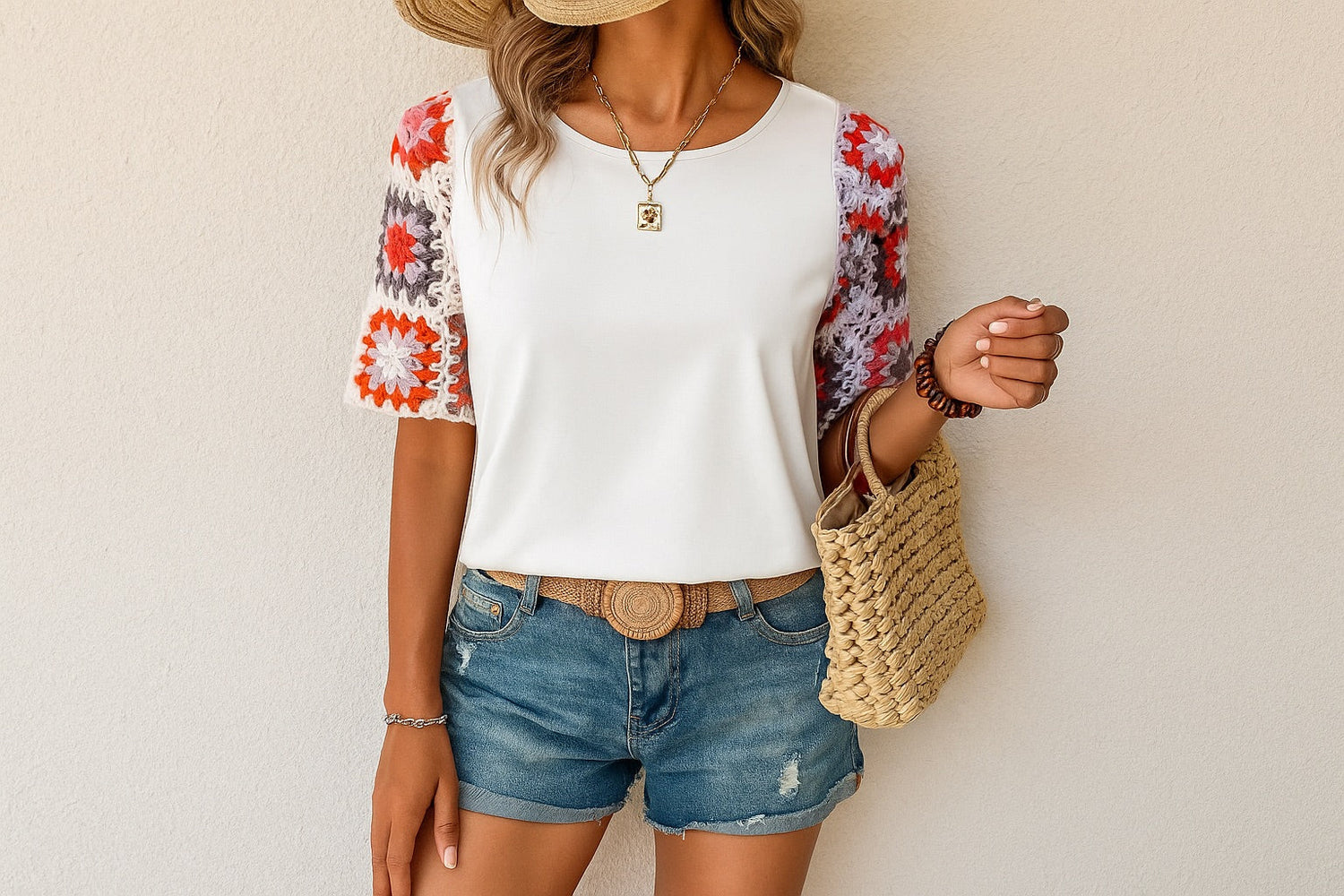
Loud luxury in 2026 is not a return to head-to-toe logos or maximalist excess. It's something more specific: clothes that make a visual commitment. A dress in a saturated color. A print that's clearly intentional, not just "fun." Jewelry that reads across a room. Craft details — embroidery, crochet, architectural pleating — that announce the garment took time to make.
The distinction matters. Loud luxury in this context means confidence, not noise. It's the difference between a cobalt-blue midi dress in a structured fabric and a sequined bodycon with four competing prints. One makes a statement. The other makes a mess.
"The clients who look best right now are the ones who stopped choosing between the two aesthetics. They have a quiet foundation — good cut, neutral base — and they add one thing that's completely unafraid. That's it. That's the whole formula."
— Maya Okonkwo, Livostyle Trend Editor
The specific pieces driving this: saturated-color linen dresses (sage, terracotta, cobalt), bold-print maxi dresses with clean silhouettes, statement earrings worn with otherwise stripped-back outfits, and blazers in unexpected colors — burnt orange, deep plum — over plain white basics.
Where the two aesthetics meet
The most interesting style territory in 2026 isn't quiet luxury or loud luxury. It's the overlap. Call it intentional dressing — the practice of making deliberate choices about which element of an outfit speaks and which ones stay quiet.
Practically, this looks like: a cream linen wide-leg trouser (quiet) with a printed silk blouse (loud). Or a bold-color bodycon dress (loud) with clean leather sandals and no jewelry (quiet). The formula is contrast — one element that commands attention, everything else that supports it without competing.
This is also where price-per-wear math starts to favor the shopper who builds carefully. A wardrobe of six quiet pieces and three loud ones gives you more combinations than a wardrobe of 20 trend pieces that only work together. The average American woman wears only 20% of her wardrobe regularly (ThredUp Resale Report, 2024) — intentional contrast dressing is the structural fix for that problem.
The quiet luxury pieces still worth buying
Not everything from the quiet luxury moment deserves to be retired. Some of it was always just good dressing, and still is.
Neutral-tone midi dresses in natural fabrics. A cream or camel midi in linen or cotton isn't a trend — it's a base layer for the rest of your wardrobe. It works under a bold blazer, next to statement jewelry, and on its own for low-key occasions. Our beige and nude dress edit covers this category.
Tailored wide-leg pants. The silhouette is still strong. A well-cut wide-leg trouser in ivory, sand, or charcoal pairs with both quiet tops and loud ones. Find them in our wide-leg pants collection.
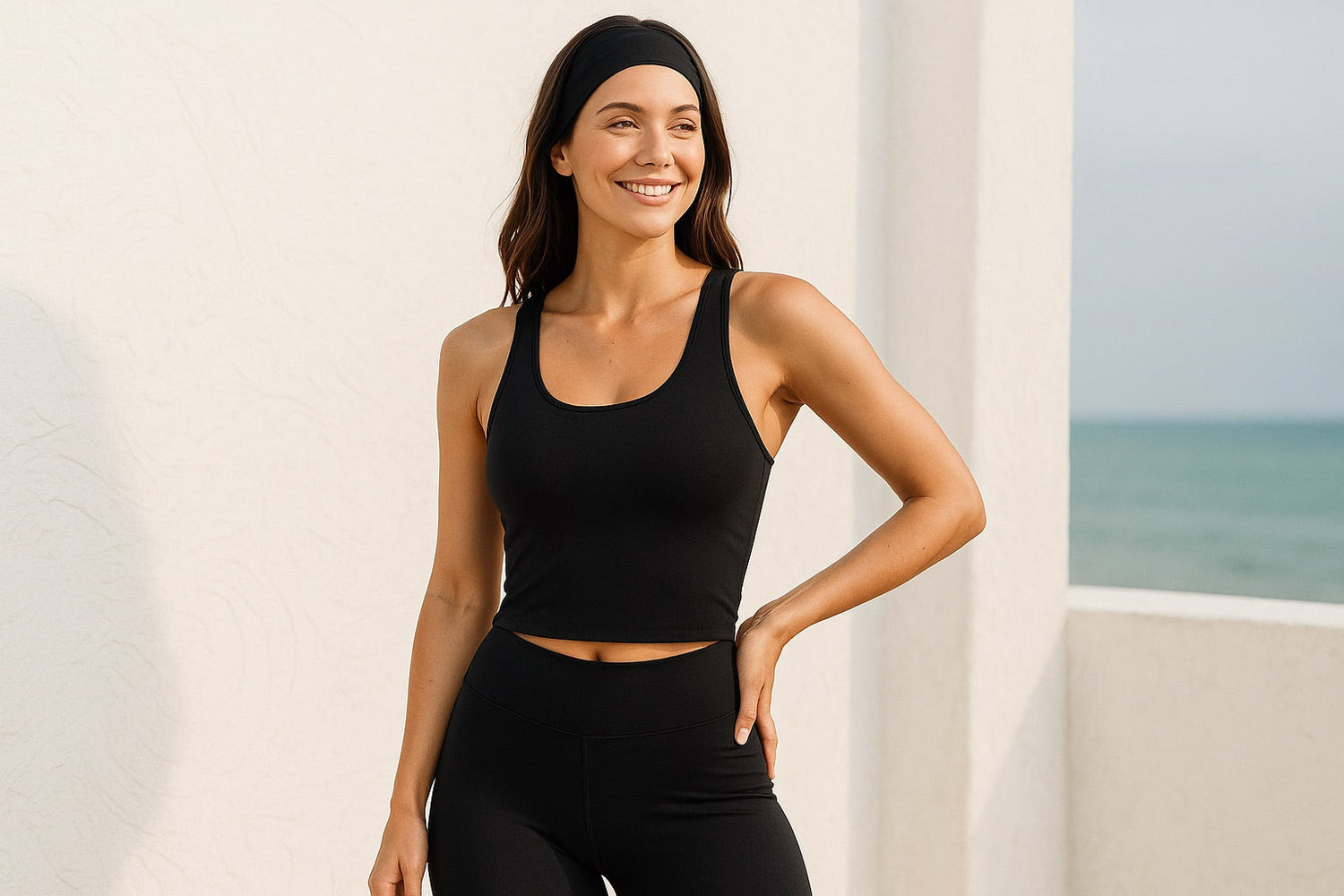
Solid-color basics that disappear into outfits. White tanks, black fitted tees, a simple ribbed knit. These are the supporting cast for everything else. Our solid color essentials are built around this logic.
Layered necklaces in gold. Delicate, stackable, works with everything. The layered necklace edit hasn't changed much in two years — because it doesn't need to.
The quiet luxury pieces worth skipping: anything that reads as "expensive-looking beige" without actual quality behind it. Polyester-blend "satin" in cream. Poorly cut wide-leg trousers that gap at the waist. The aesthetic was always about quality first — without it, it's just beige.
The loud luxury pieces earning their place
The loud luxury pieces with staying power share one quality: they're loud in color or craft, not in branding. No logos required.
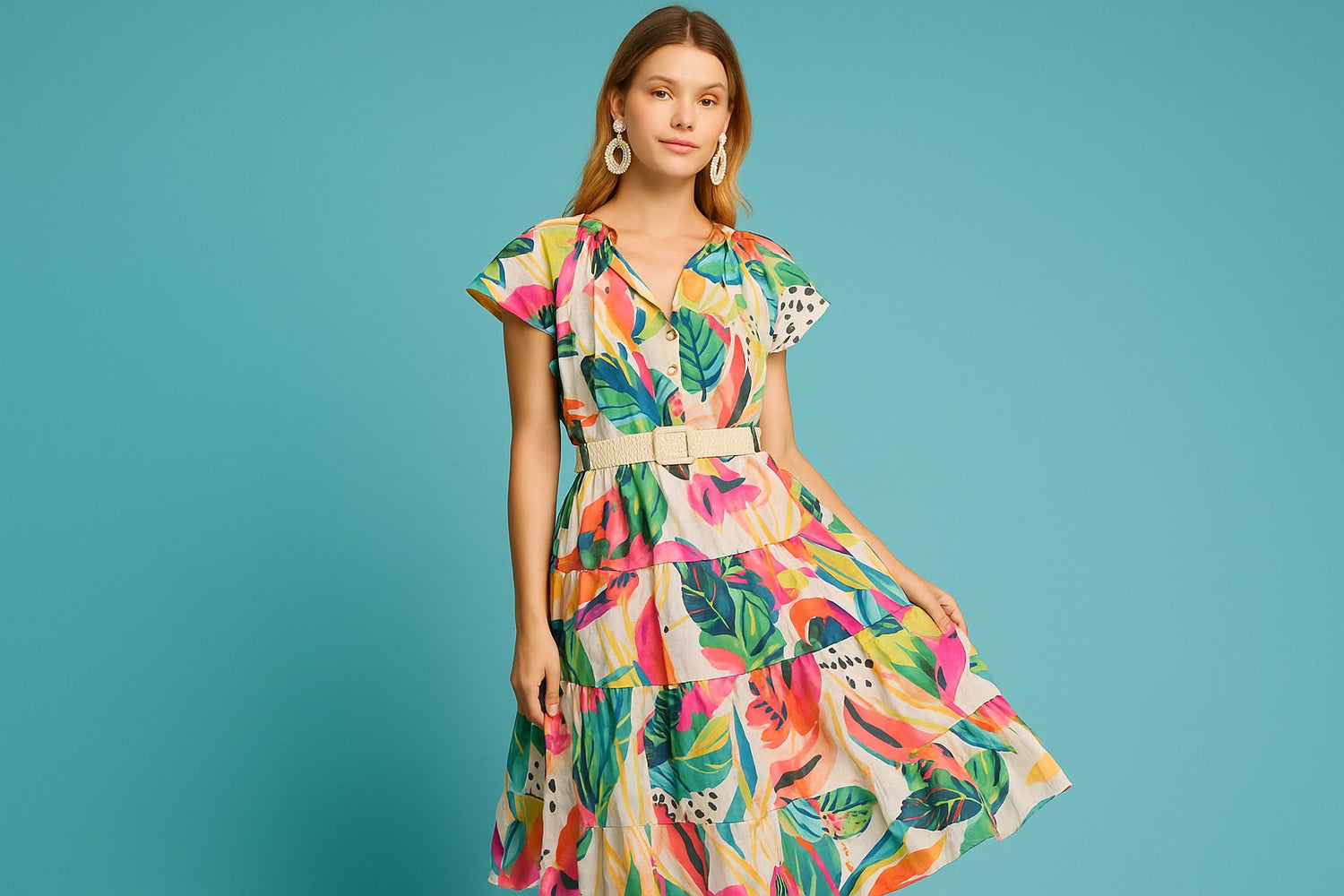
Saturated-color linen dresses. Cobalt, terracotta, deep sage. Linen in a strong color reads elevated because the fabric itself is considered — and it breathes better than any synthetic alternative. A well-cut linen dress in a bold color is the single most useful loud luxury purchase of summer 2026.
Printed maxi dresses with clean silhouettes. The print does the work; the shape stays simple. An A-line or straight-cut maxi in a bold botanical or abstract print — not a busy all-over pattern — belongs in this category. See our boho maxi dress edit for the strongest options.
Statement earrings. The fastest way to shift an outfit from quiet to loud. A pair of sculptural hoops or drop earrings in gold or resin can do more work than a new dress. Our hoop earring collection covers the full range from subtle to architectural.
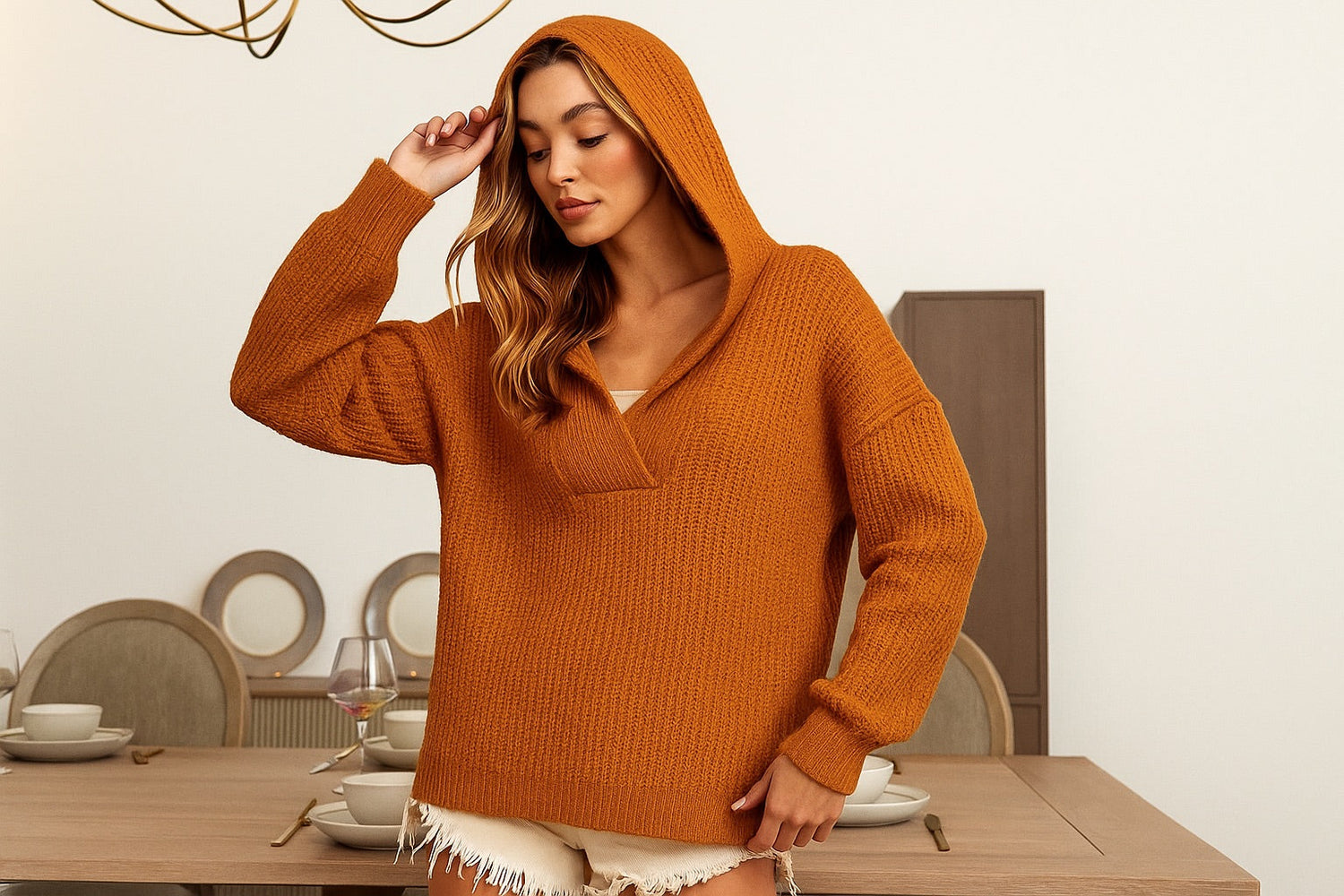
A blazer in an unexpected color. Not navy, not black. Burnt orange, deep plum, forest green. Worn over a white tee and jeans, it's the entire outfit. This is the most cost-efficient loud luxury move — one piece, maximum impact.
How to dress both sides without starting over
The practical question: if your wardrobe skews quiet, how do you add loud without replacing everything? And if you've been dressing loud, how do you bring in the restraint that makes it land?
If your wardrobe is mostly quiet: add one loud piece per outfit category. One bold-color dress. One statement earring pair. One printed blouse. You don't need to rebuild — you need to add contrast. The quiet pieces you already own become better when they have something to support.
If your wardrobe skews loud: the fix is subtraction, not addition. Identify which loud pieces compete with each other and retire one. A bold dress with statement jewelry and a printed bag is three competing voices. Quiet one of them — clean leather sandals, a solid bag — and the outfit immediately reads more intentional.
The universal rule: one loud element per outfit. Not zero (that's safe but flat). Not two or three (that's noise). One. It applies whether you're dressing for the office, a summer wedding, or a weekend brunch. If you're not sure which element is the loud one, the outfit probably doesn't have one — and that's worth fixing.
For occasion-specific outfit building, our old money dress edit covers the quiet luxury side, and our date night dress collection covers the louder end of the spectrum.
What to skip from each aesthetic
Both aesthetics have their dead ends. Here's what we'd leave behind.
From quiet luxury, skip:
- Polyester "satin" in cream or beige — the fabric undercuts the entire premise. If it's not natural fiber or high-quality viscose, it reads cheap regardless of the color.
- Head-to-toe monochrome beige — without contrast, it reads washed out rather than refined. One neutral element, not five.
- Minimalism as an excuse not to try — a plain beige dress with no thought behind it isn't quiet luxury, it's just underdressed.
From loud luxury, skip:
- All-over logo prints — this is the 2012 version of loud, not the 2026 version. The current direction is craft and color, not branding.
- Trend-of-the-moment prints that have no relationship to the rest of your wardrobe — a print that works with nothing else you own has a very short shelf life.
- Loud and uncomfortable — a statement piece that you adjust every 20 minutes isn't serving you. The confidence that makes loud luxury work requires physical ease.
The best-sellers at Livostyle right now reflect this split clearly. Our best-sellers collection spans both ends — structured neutral dresses alongside bold-color and printed options — because our customers are building both sides of the equation.
Frequently asked questions
Is quiet luxury still relevant in 2026?
Yes, but it's no longer the dominant trend signal. Quiet luxury pieces — neutral-tone midi dresses, tailored trousers, delicate gold jewelry — remain strong wardrobe foundations. What's shifted is the expectation that an entire outfit should operate this way. In 2026, the stronger approach is one quiet foundation plus one deliberate loud element, rather than head-to-toe restraint.
What's the difference between quiet luxury and old money style?
Old money style is a subset of quiet luxury with a specific visual vocabulary: preppy references, heritage fabrics (tweed, plaid, cable knit), equestrian and nautical details. Quiet luxury is broader — it includes minimalist tailoring, Japanese-influenced simplicity, and Scandinavian basics that have nothing to do with prep. Both share the "no logos, quality over branding" principle, but old money has a more specific cultural reference point.
How do I add loud luxury pieces without my outfits looking chaotic?
One loud element per outfit. If the dress is bold — saturated color, strong print — keep the shoes, bag, and jewelry quiet. If the jewelry is the statement, wear a solid neutral dress. The rule is contrast, not competition. Two loud elements in one outfit cancel each other out; one loud element against a quiet background is what actually reads as intentional.
Which colors define loud luxury in summer 2026?
Cobalt blue, terracotta, deep sage, and burnt orange are the strongest signals right now. Saturated versions of these — not pastel, not muted — worn in natural fabrics like linen or cotton. Red is also having a strong moment, particularly in structured silhouettes. The common thread is commitment: a color that's fully itself, not hedging toward neutral.
Can quiet luxury and loud luxury work together in one outfit?
That's exactly the point. The most considered dressing in 2026 combines both: a quiet base (neutral fabric, clean silhouette) with one loud element (bold color, statement jewelry, unexpected print). The formula works for every occasion from office to evening. The goal isn't to pick a side — it's to use contrast deliberately.