
Heatwave Edit: 8 Pieces Our Customers Are Buying for 95°+
When the heat index crosses 95°F, the question stops being "what looks good" and starts being "what can I actually wear for six hours without suffering." The answer is shorter than most people think: natural fibers, loose cuts, and fewer layers. Below are the 8 pieces Livostyle customers have been buying at the highest rate this July — with notes on why each one earns its spot when it's genuinely hot outside.
Why fabric is the only decision that matters above 90°F
Most heatwave outfit advice focuses on silhouette — loose is better, short is better. That's true, but incomplete. A loose polyester dress at 95°F is still a loose polyester dress: it doesn't breathe, it clings when wet, and it holds odor by hour three. Silhouette is secondary. Fabric is the variable that actually determines whether you're comfortable.
The three fabrics that genuinely perform in extreme heat:
- Linen: hollow fiber structure allows airflow. Gets softer with every wash. Wrinkles — that's it drying flat, not a defect. Linen uses 75% less water than cotton during production (CELC, European Confederation of Linen and Hemp), which makes it the more sustainable call too.
- Cotton gauze / cotton voile: open weave lets air move through. Not all cotton is equal — a dense jersey traps heat just like synthetics. Look for gauze, voile, or lawn weaves specifically.
- Modal: semi-synthetic from beechwood pulp, but it wicks and breathes closer to linen than to polyester. Softer drape than linen, fewer wrinkles. Our full breakdown is in Modal Fabric Explained: Why It Beats Cotton in 90°F Heat.
"Above 90°F, I tell clients to stop thinking about outfits and start thinking about surface area. More skin, more air movement. A linen maxi with a low back moves more air than a cotton mini with a fitted bodice."
— Maya Okonkwo, Livostyle Trend Editor
1 — The linen maxi dress
The single most-searched item in our summer collection right now. A linen maxi sounds counterintuitive for heat — more fabric, not less — but the length actually helps: it blocks direct sun on your legs while the loose weave keeps air circulating underneath. Think of it as shade you wear.
What to look for: a V-neck or square neck (more airflow at the chest), adjustable or smocked waist (no tight elastic), and a slit or tiered hem so you can walk without the fabric wrapping your legs. Stick to undyed or light-colored linen — white, cream, sage, dusty rose. Dark linen absorbs heat.
Shop the category: linen dresses and maxi dresses.
2 — The smocked cotton midi
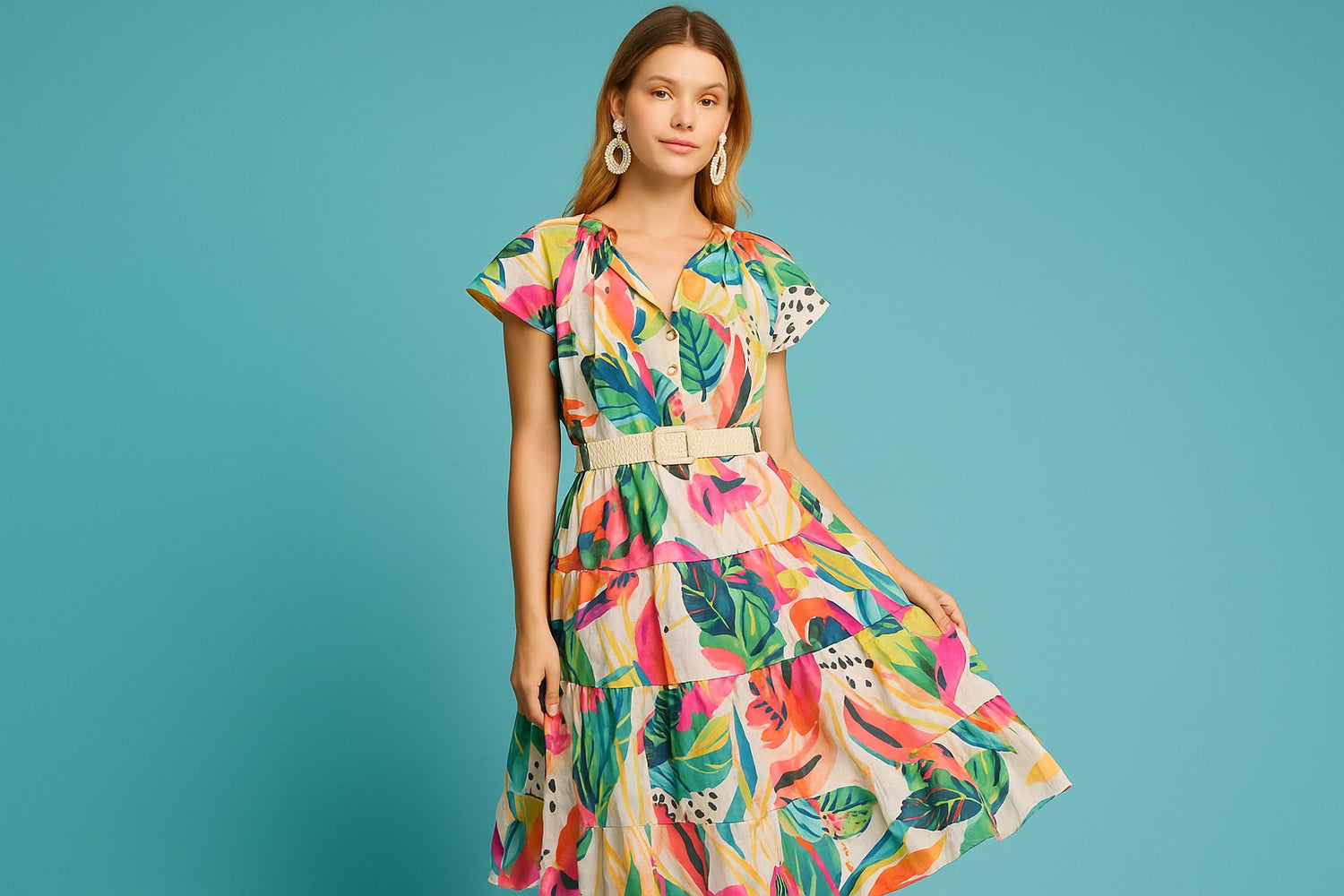
Smocking — the gathered elastic stitching at the bodice or waist — is the heatwave silhouette detail we keep coming back to. It creates a fitted bodice without tight elastic, which means no sweaty waistband pressing against your skin all day. Below the smocking, the skirt falls loose and full.
Cotton gauze smocked midis are the specific version doing the work here. The gauze weave moves air; the midi length protects from sun without trapping heat. Our smocked dress edit runs from $30 to $65, and the silhouette works for brunch, beach errands, and a casual dinner without changing.
3 — The breezy two-piece set
Two-piece sets solve a specific heatwave problem: you want less fabric on your body, but you also want to look put-together enough to go somewhere after the beach. A cropped top + wide-leg trouser set in linen or cotton does both. The matching fabric reads intentional. The separate pieces mean you can pull the top off if you're sitting in direct sun.
The sets getting the most repeat traffic in our store right now are the ones with a relaxed wide-leg pant rather than a fitted short — the extra length gives shade, and the wide leg keeps air moving. See the full range in matching sets and two-piece sets.
4 — The beach cover-up that works off the sand
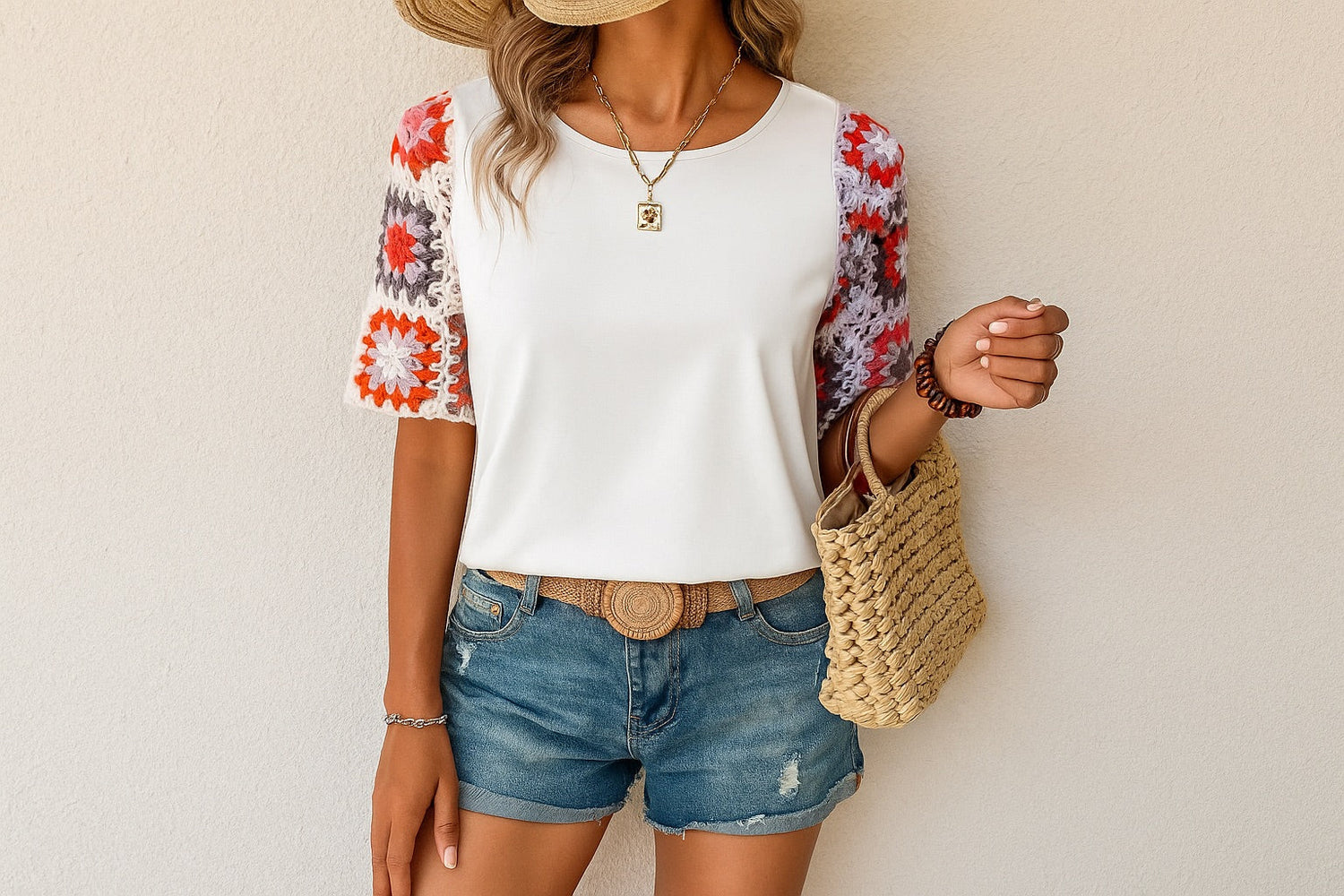
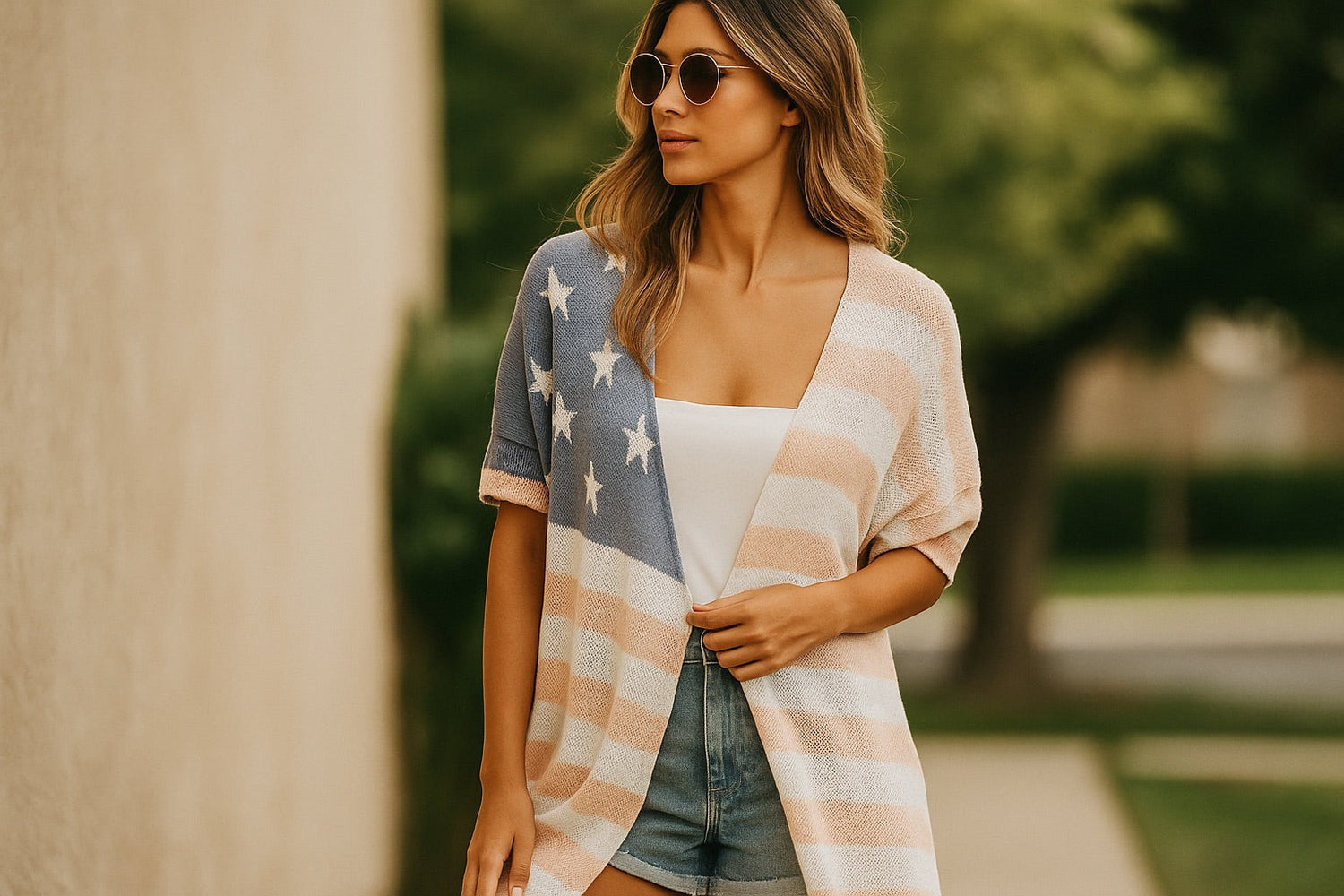
Most cover-ups fail outside of a beach context because they read like swimwear accessories. The ones worth buying are the ones that look like actual clothes: a cotton gauze kimono, a loose button-front shirt dress, a crochet midi that works with sandals and a bag. Those transition from poolside to lunch without a wardrobe change.
The distinction matters in July because you're often moving between sun and shade, inside and outside, all day. A cover-up that doubles as a dress means one less decision. Browse the beach cover-ups collection — filter for solid colors and you'll find the ones that travel farthest from the water.
5 — The sleeveless linen top + wide-leg pants combo
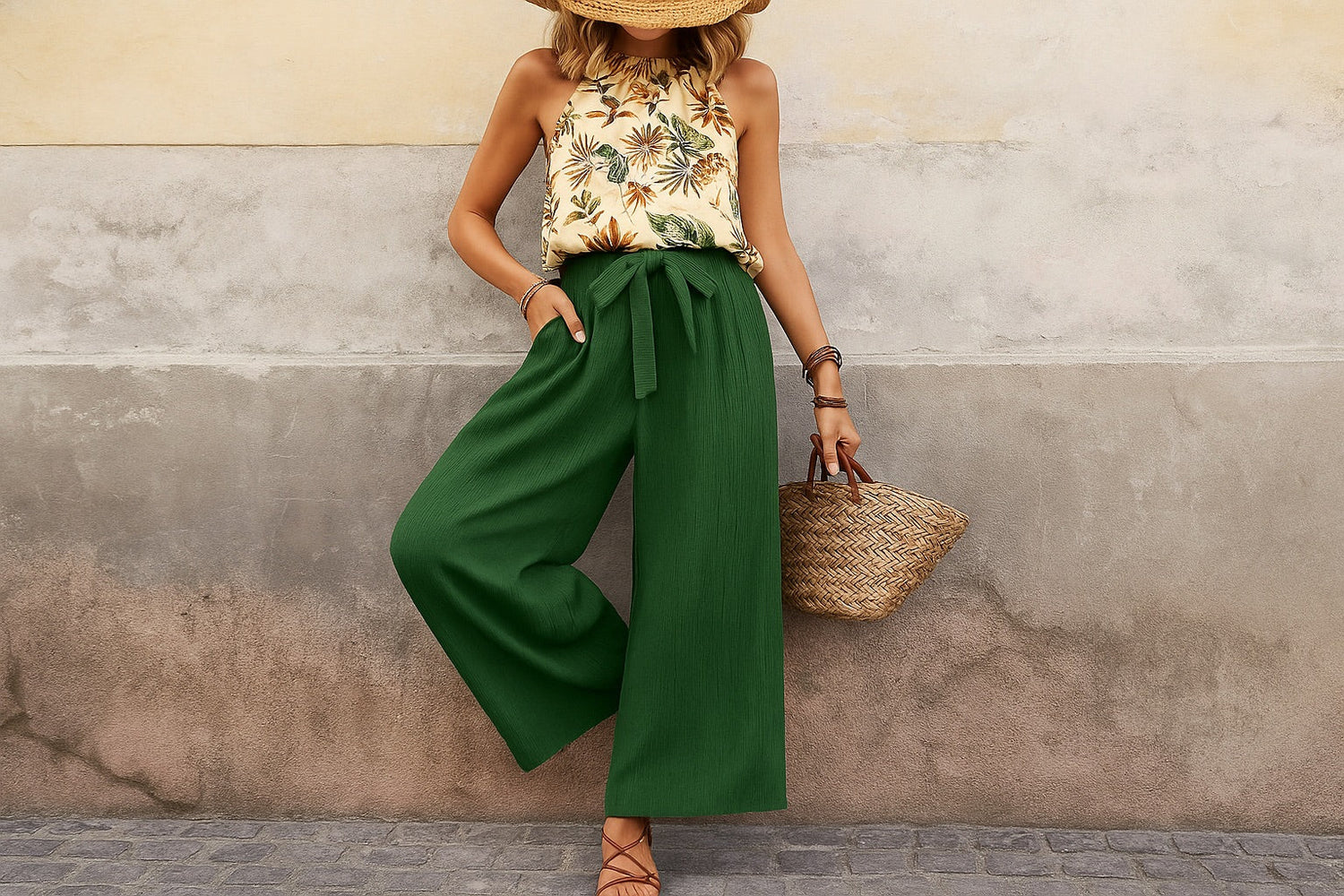
Not everyone wants a dress. For customers who prefer separates, the sleeveless linen tank paired with wide-leg linen or cotton pants is the closest equivalent. The combination covers the same surface area as a maxi dress but gives more flexibility — swap the top, change the whole outfit.
The key detail on the top: a relaxed fit through the body, not a fitted one. A fitted sleeveless top in linen still traps heat at the torso. You want something that skims rather than hugs. Our sleeveless tops section has both — look specifically for the ones described as "relaxed" or "boxy" fit.
Pair with flat slide sandals. Heels and 95°F don't coexist well unless you're going from air-conditioned car to air-conditioned restaurant.
6 — The white cotton mini dress
White reflects heat. Short hemlines reduce fabric contact with skin. A white cotton mini is the most straightforward heatwave outfit there is — which is probably why it's been in the top five of our white summer dresses page every week since June.
The version that works best: a mini with a loose A-line or shift silhouette, not a bodycon. Bodycon minis in cotton look great at 75°F and become uncomfortable fast at 95°F because the fabric presses against your skin rather than letting air circulate. An A-line mini at the same length gives you the coverage-to-comfort ratio you actually need.
One practical note: white cotton goes see-through when it gets damp. Wear a nude or white seamless underlayer, or choose a mini with a built-in liner. Check the product description before you buy.
7 — The ribbed tank
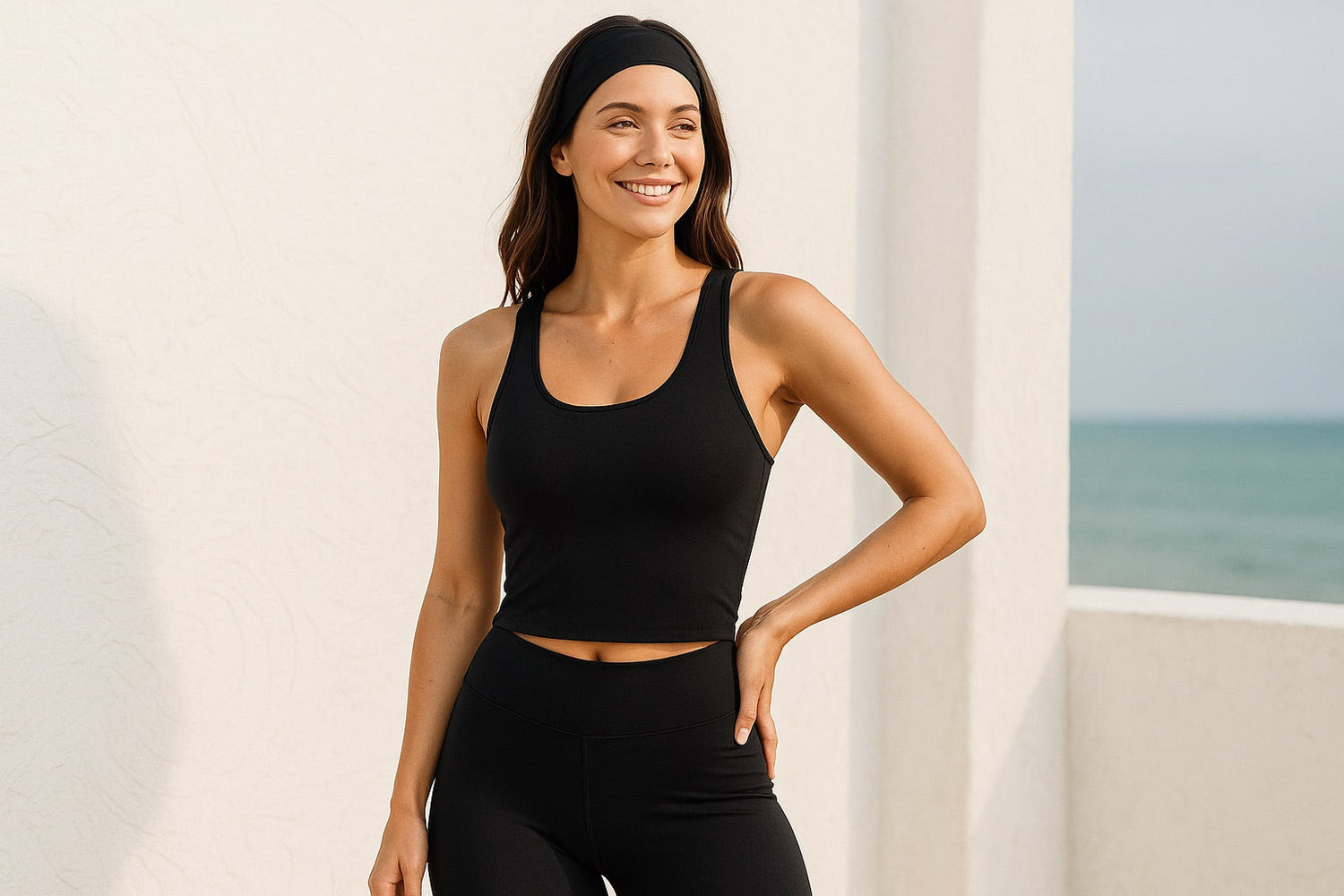
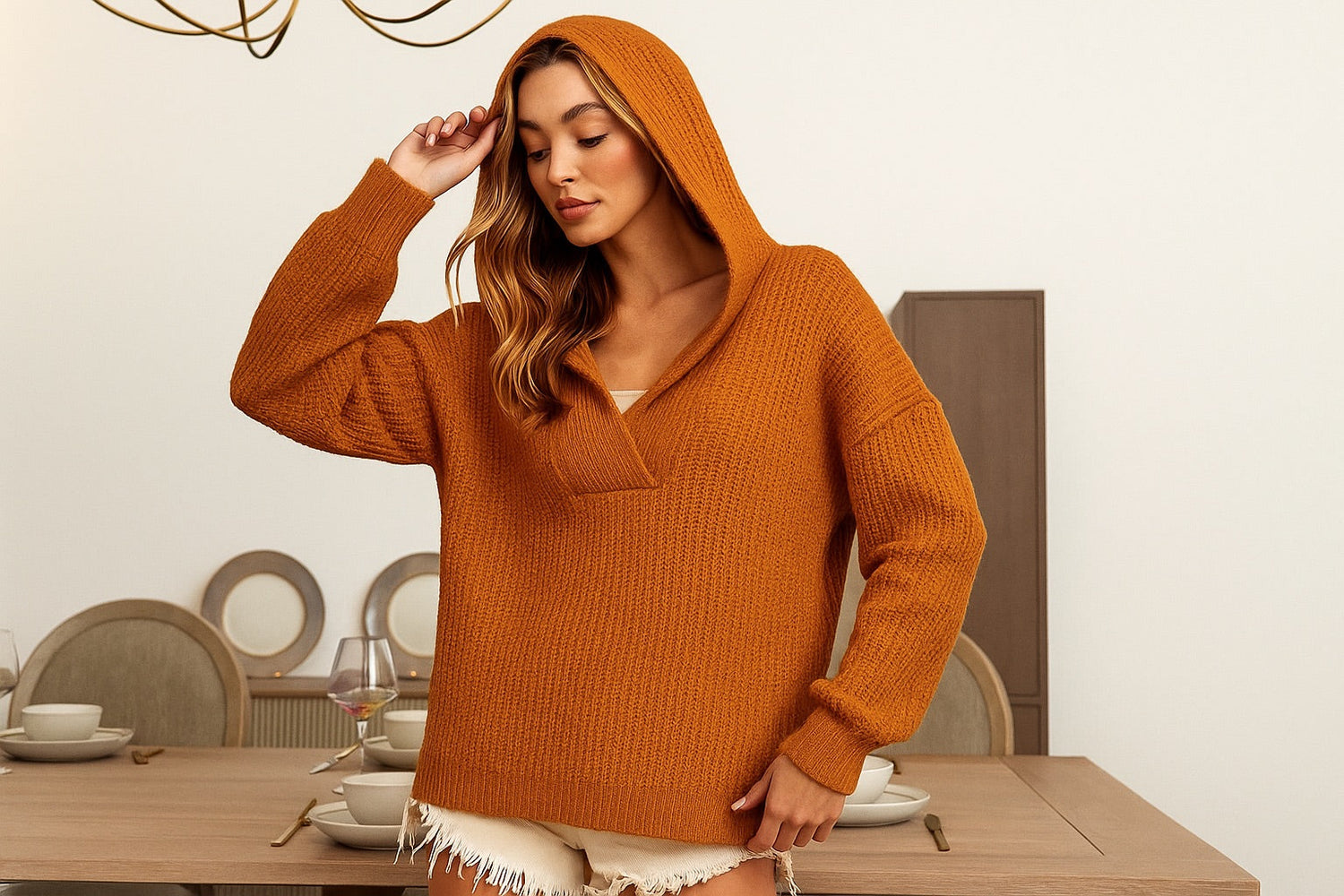
When you're not leaving the house or you're spending the day at the beach, a ribbed cotton tank is the most honest heatwave answer. Pair it with denim shorts, a linen midi skirt, or linen wide-leg pants — the tank does the heavy lifting on breathability while the bottom half handles the occasion.
The ribbed texture matters: the vertical channels in ribbed cotton create slightly more surface texture than a flat jersey, which increases airflow marginally and helps the fabric wick away from skin faster. It's a small difference, but at 95°F, small differences add up. Find the range in our tank tops section.
8 — The slide sandal (yes, it counts)
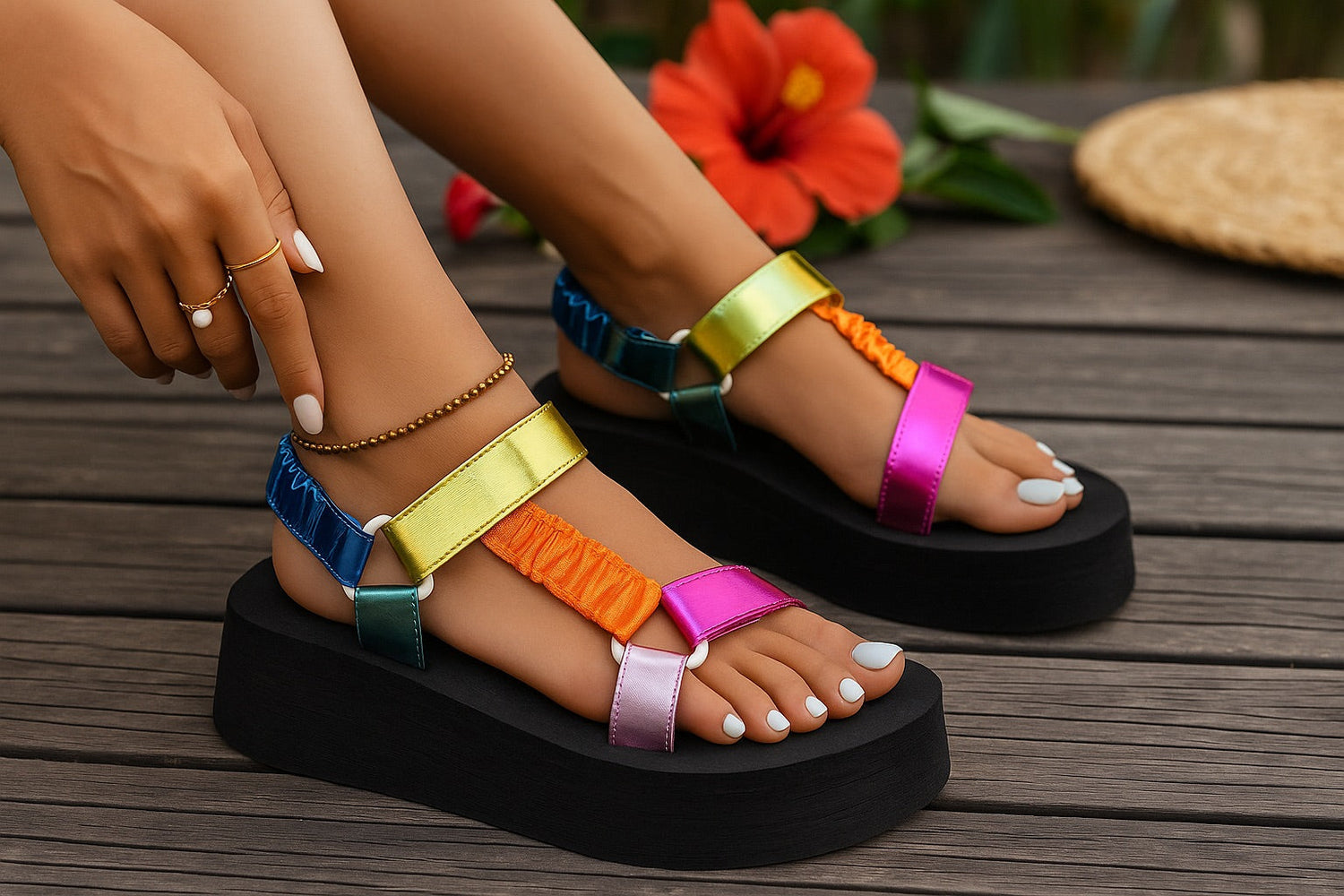
Footwear is part of the heatwave equation. Closed-toe shoes trap heat at the feet, which affects how hot your whole body feels. Strappy heeled sandals are fine for an evening when you're moving from one air-conditioned space to another. For a full day in the sun, a flat leather or woven slide is the practical call.
The specific slide that works for heatwave days: a single wide strap across the foot (more secure than thin straps that slip when feet swell in heat), a cushioned footbed, and a neutral color that doesn't absorb sun. Our sandals edit has the full range — the woven and leather slides are the ones moving fastest right now.
3 styling rules for extreme heat
Beyond the individual pieces, three rules that apply across all of them:
- Loose at the body, not just at the hem. A dress that's fitted through the torso and flared at the hem still traps heat where it matters. Look for pieces that skim the body from shoulder to hem — that's where the airflow happens.
- One accessory maximum. At 95°F, every layer counts. A hat is useful (sun protection). A crossbody bag from our bags collection keeps your hands free. Skip the scarf, the layered necklaces, and the stacked rings. Jewelry holds heat against skin.
- Color before pattern. Solid light colors reflect more heat than busy prints in dark shades. If you want pattern, look for small-scale prints on a white or cream ground — the light base does the reflective work. Browse solid color essentials for the cleanest options.
One more thing worth saying: the heatwave outfit that works is the one you actually put on. If you're spending 20 minutes deciding between two options, you're already overheating. Keep the heatwave section of your closet simple — two or three pieces that require no thought. That's the whole system.
Frequently asked questions
What fabric is coolest to wear in 95°F heat?
Linen is the best performer at extreme heat: its hollow fiber structure allows airflow that polyester and dense cotton can't match. Cotton gauze and voile are close seconds — the open weave moves air even in a fitted silhouette. Modal is the best option if you want softness without the wrinkle. Avoid polyester blends, viscose without a natural fiber blend, and any fabric described as "stretch" without a breathability note — stretch usually means elastane, which doesn't breathe.
Is a maxi dress actually cooler than a mini in extreme heat?
In linen or cotton gauze, yes — a loose maxi can be cooler than a fitted mini because the length blocks direct sun on your legs while the fabric keeps air circulating underneath. The caveat: the maxi has to be genuinely loose. A fitted maxi in any fabric traps heat. If the dress clings anywhere below the knee, the mini wins.
What colors are best for heatwave outfits?
White, cream, and pale neutrals — sage, blush, light blue — reflect more solar radiation than dark colors. Black absorbs heat fastest. This applies most when you're in direct sun; in shade, the color difference matters less than the fabric. For a full day outdoors, white linen is the most practical choice in both fabric and color.
Can I wear denim shorts in a heatwave?
Denim shorts work in heat if they're lightweight — a 6oz or lighter denim, or a chambray (which is woven rather than twill and breathes much better). Heavy raw denim at 95°F is uncomfortable. Pair lightweight denim shorts with a loose linen or cotton tank, and you have a functional heatwave outfit. Our denim shorts collection includes both weights — check the fabric description before buying.
What shoes work best in extreme heat?
Flat slide sandals — leather, woven, or synthetic — are the most practical choice. They allow airflow around the foot, don't trap heat, and stay secure enough for walking. Avoid closed-toe shoes and thick-soled platforms that absorb ground heat. If you need a heel for an evening occasion, a strappy heeled sandal is the next best option — open construction keeps the foot cooler than a block or wedge.