
August Style Essentials: What to Wear Right Now (2026 Edit)
August is the month that breaks most wardrobes. The heat hasn't let up, but the stores are already pushing fall. Your summer dresses are still right — but the way you style them needs to shift. This is our August edit: the pieces that earn their keep through Labor Day, the layering moves that work when evenings finally cool to 70°F, and the three things worth buying right now versus the ones that can wait until September.
What August actually calls for
August in the US runs hot — average highs between 85°F and 95°F across most of the country — but it's also the month when evening temperatures start dropping faster than they did in July. That 15-degree swing between 3pm and 9pm is the styling challenge. You need pieces that don't make you miserable at noon and don't look underdressed at a rooftop bar after dark.
The answer isn't layering more. It's choosing pieces with enough structure to read as intentional at night, and enough breathability to survive the afternoon. Natural fibers — linen, cotton, Tencel — are doing the real work here. Linen production uses 75% less water than conventional cotton (CELC, European Confederation of Linen and Hemp), and it breathes better in sustained heat than almost any synthetic alternative.
Three categories cover 90% of August dressing: a dress you can wear to three different occasions, one transitional layer that comes off easily, and footwear that goes the distance. Everything else is optional.
The dress situation: which cuts still work
Not all summer dresses age equally into August. Here's what's still pulling weight and what's starting to feel like a July leftover.
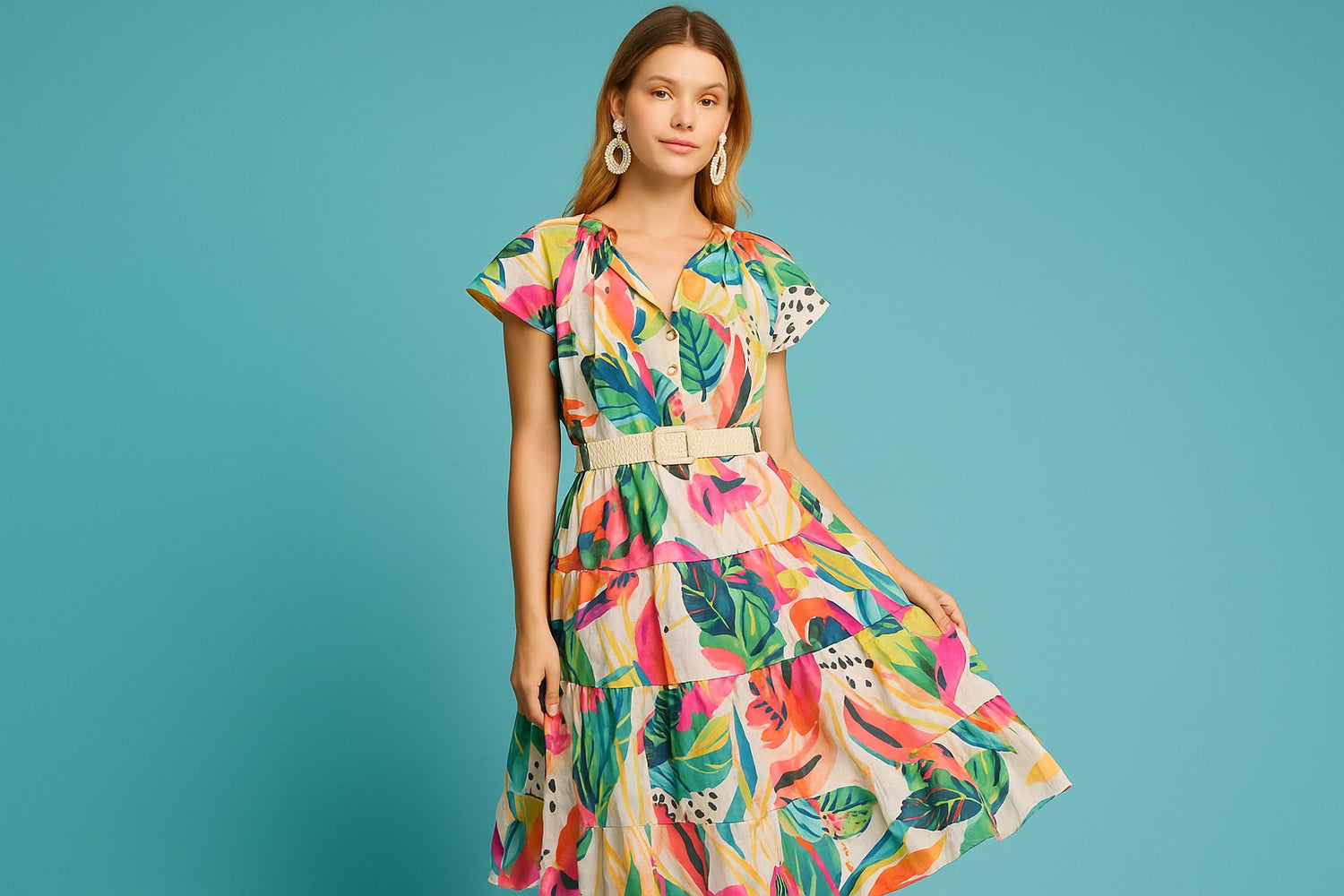
Midi dresses: still the strongest option. The length reads more intentional than a mini when evenings get more formal, and a flowy midi dress in linen or cotton doesn't trap heat the way a fitted bodycon does. Look for an A-line or tiered cut — they move with you and photograph well outdoors.
Maxi dresses: excellent for day-into-evening. A maxi dress in a solid color or subtle print works for farmers' markets at noon and outdoor dinners at 8pm without changing a thing. The key is fabric weight — anything over 6oz per square yard will feel heavy by mid-afternoon.
Linen dresses specifically: August is peak season for them. A linen dress wrinkles — that's not a flaw, it's the fabric relaxing after it dries. Embrace the texture or steam lightly before going out. What linen gives you in return is genuine airflow, which no polyester blend replicates.
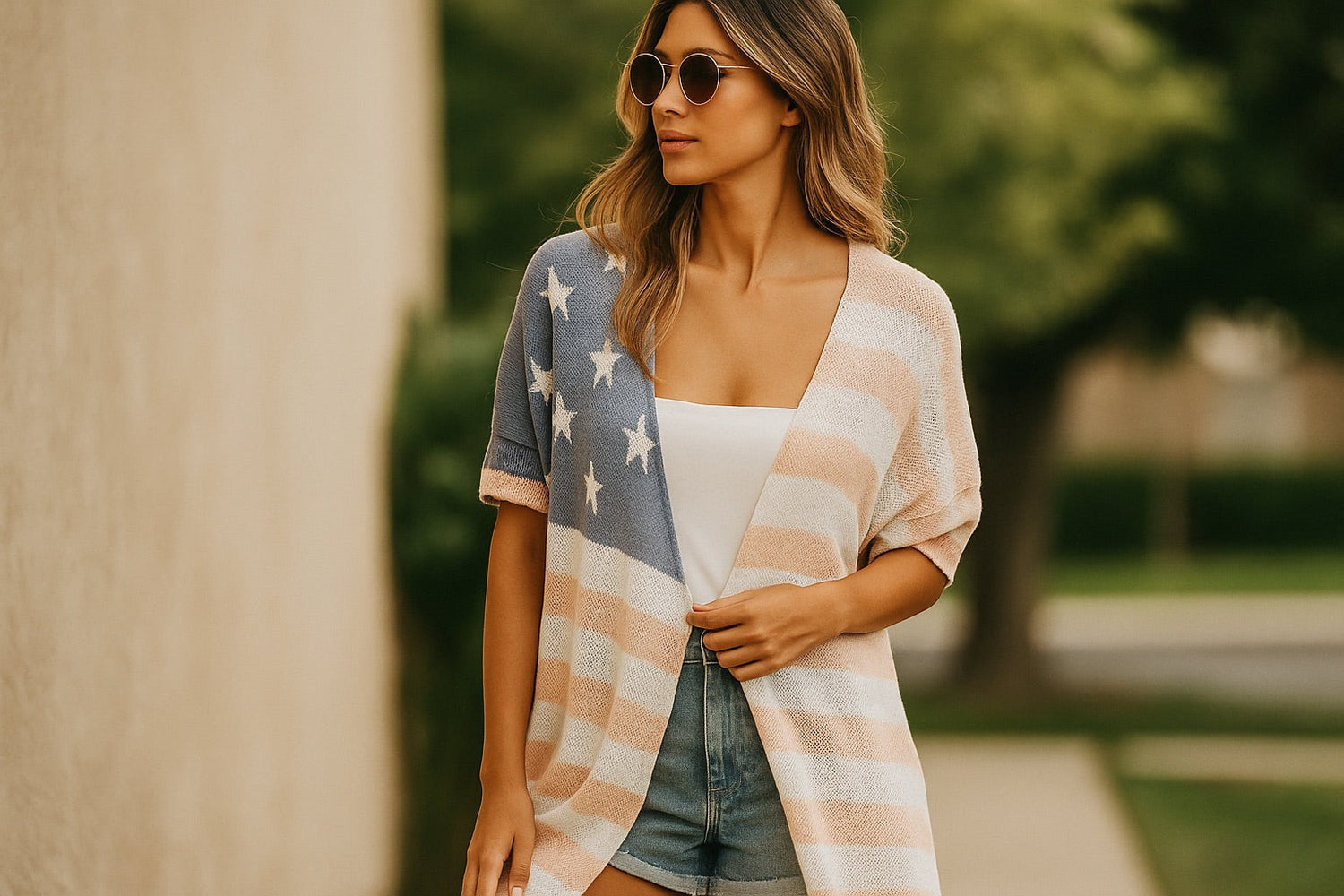
Mini dresses: still viable, but pair with something that adds coverage for evening. A mini dress with a lightweight cardigan or blazer transitions better than one worn alone.
"August is when I tell clients to stop buying new summer pieces and start rethinking what they already own. The dress that felt too simple in June reads perfectly in August — especially if you change the shoes and add one good accessory."
— Sarah Lin, Livostyle Style Editor
Smocked and off-shoulder styles: both work well through August heat. Smocked dresses have enough structure to feel dressed without being fitted, and off-shoulder dresses keep shoulders cool during the hottest part of the day.
The one transitional layer worth buying now
One layer. That's all August needs. And the right one depends on where you're spending your time.
If your August involves outdoor dinners, rooftop bars, or any event that starts at 6pm or later: a lightweight blazer in linen or unstructured cotton is the best investment you'll make this month. It goes over a midi dress, over a two-piece set, over a tank top and wide-leg pants. It signals "evening" without adding meaningful warmth until you actually need it. An unstructured blazer in cream, sage, or camel covers the widest range of outfits.
If your August is more casual — beach days, weekend errands, outdoor concerts — a denim jacket does the same transitional work with less formality. It ties at the waist when it's too warm to wear and goes back on when the sun drops.
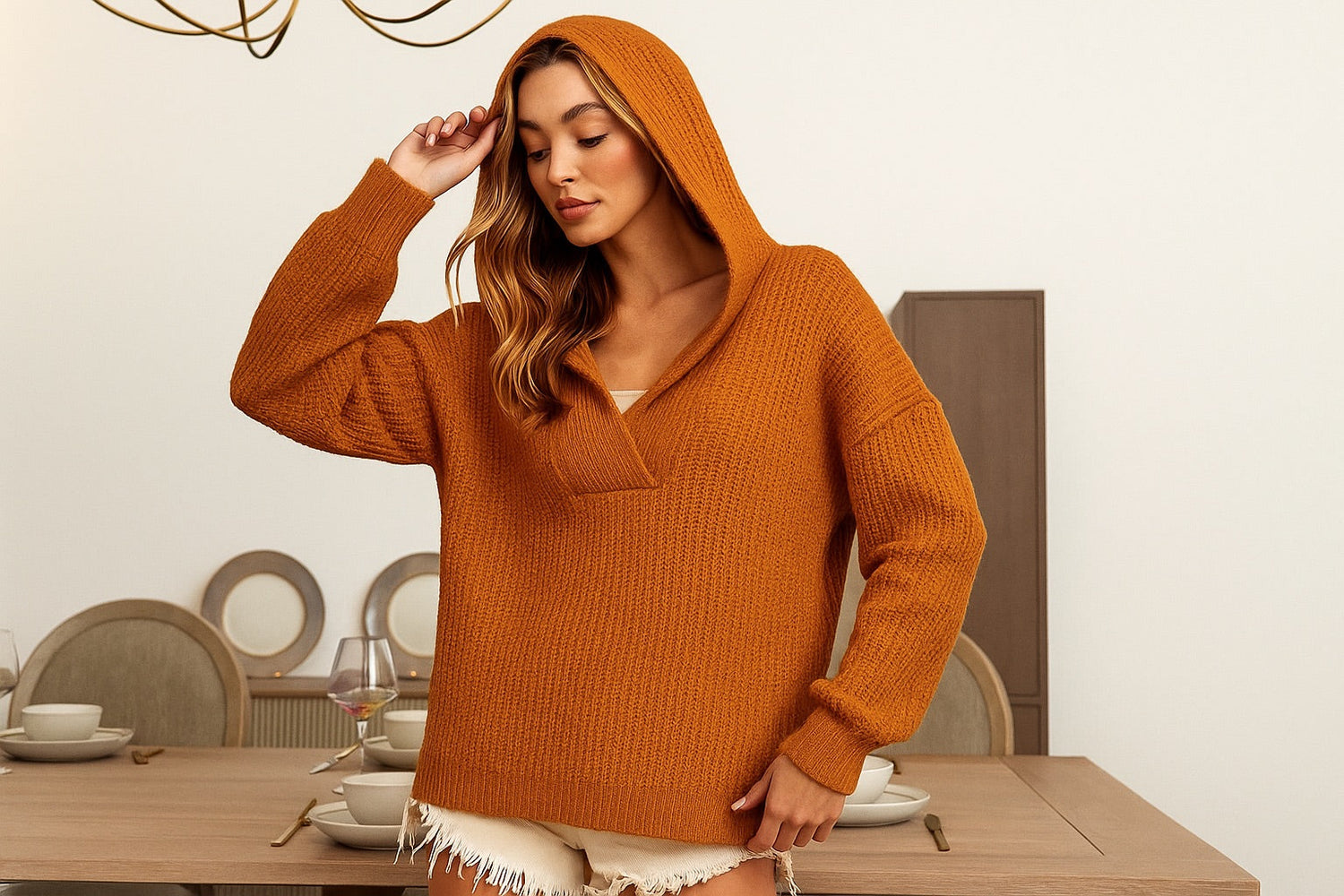
What to skip: cardigans in heavy knit, structured blazers with padding, and anything with wool content. Those belong in October.
Bottoms that aren't denim shorts
Denim shorts are fine. But if you've been wearing them since May, August is a good moment to rotate something else in.
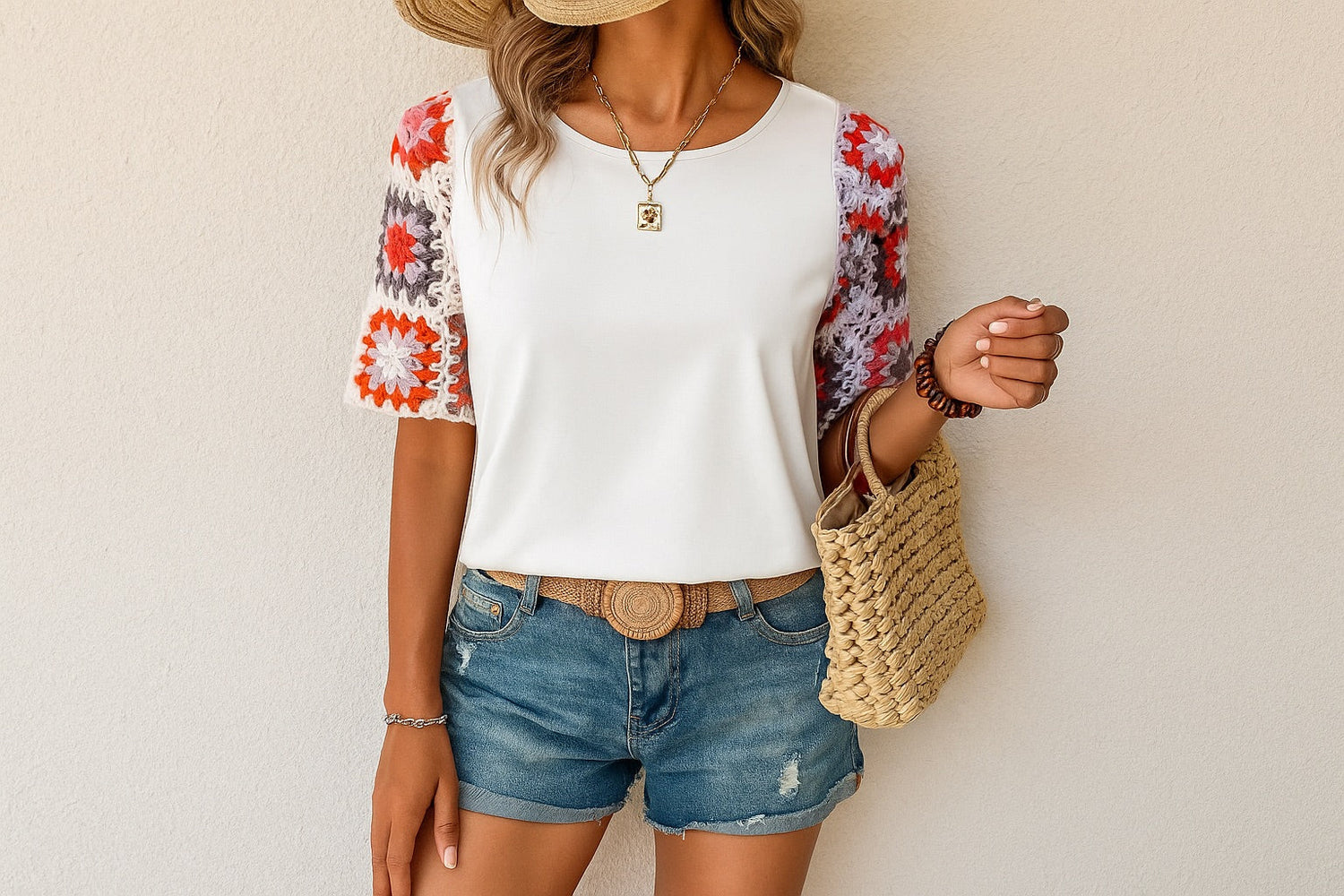
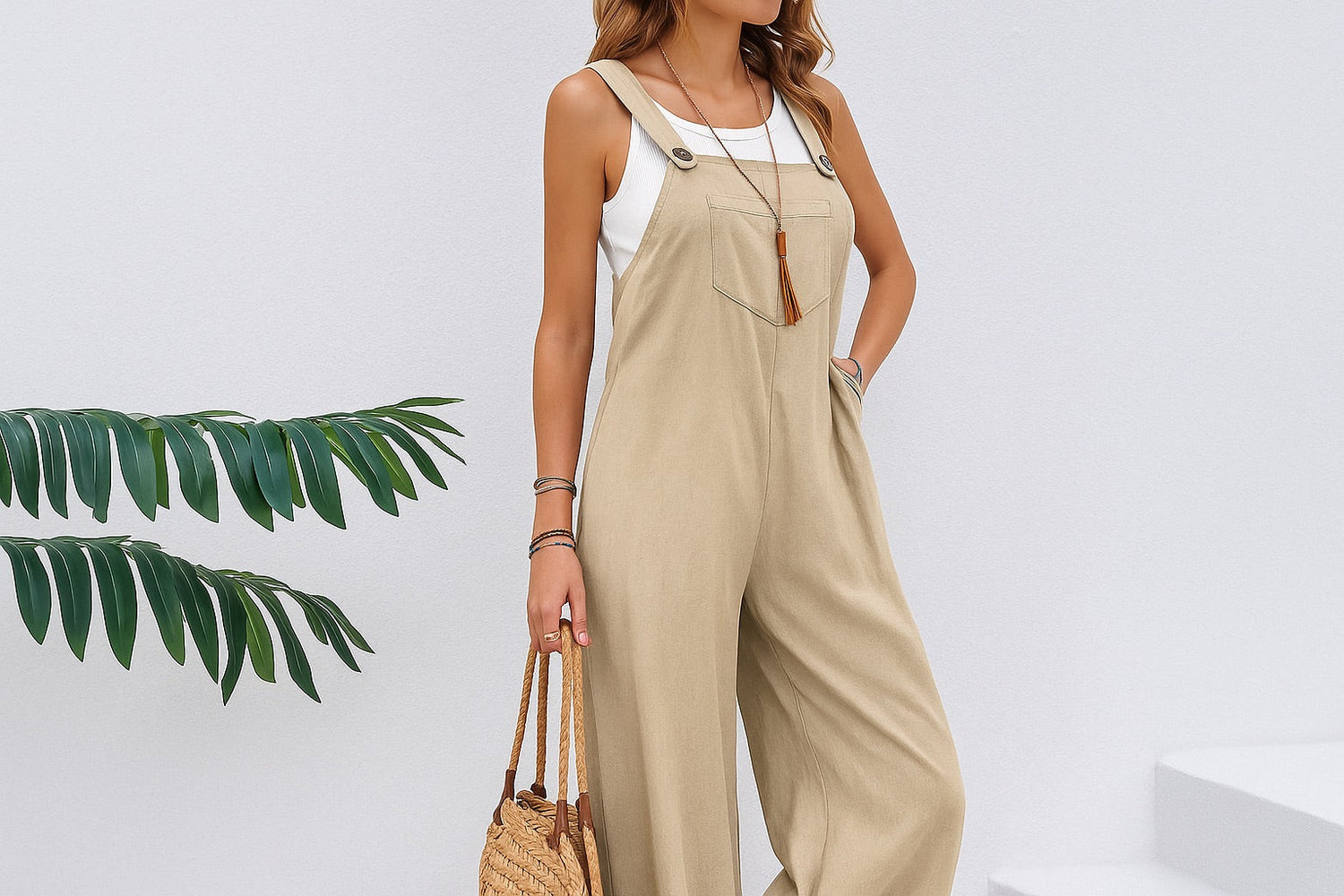
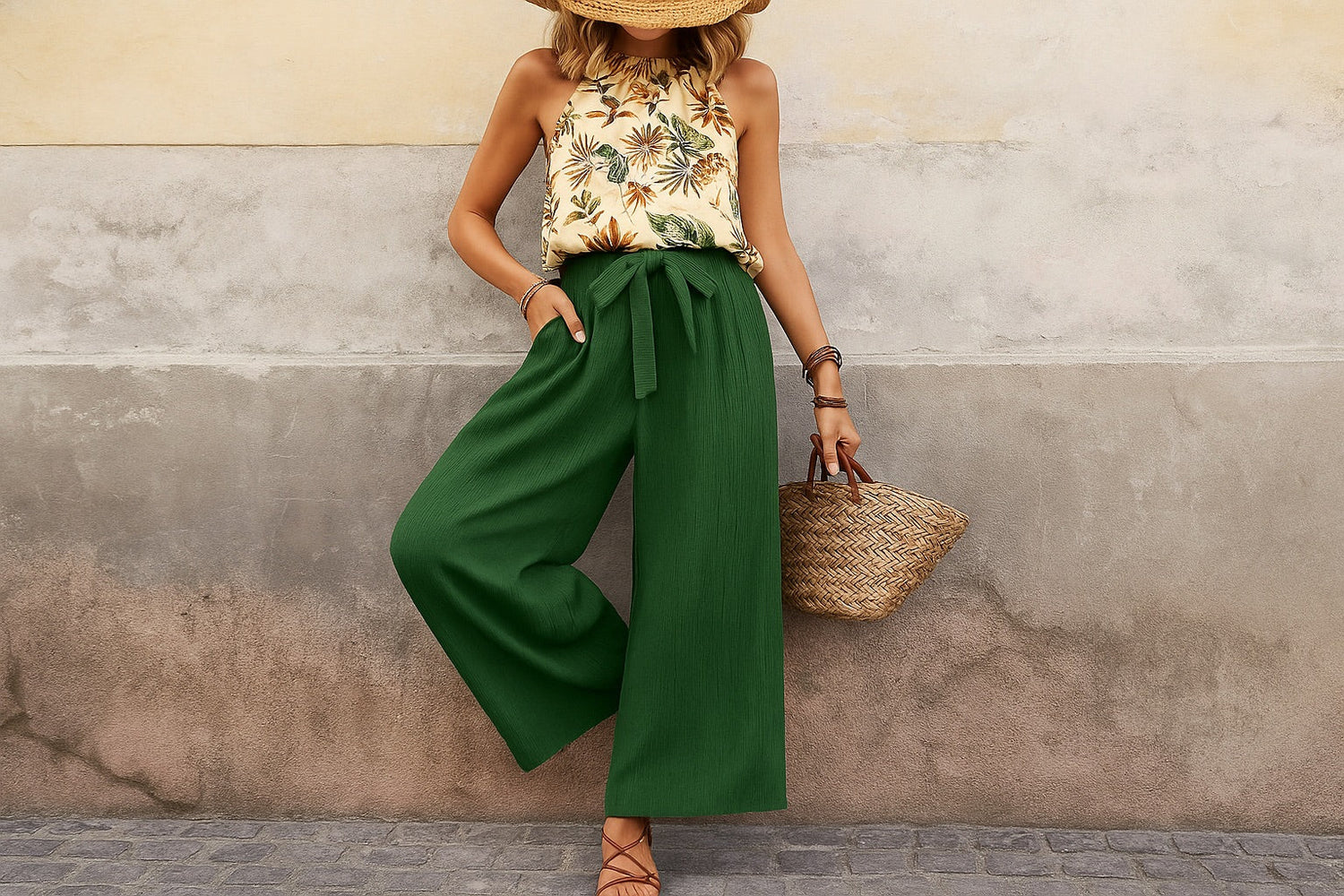
Wide-leg pants in linen or cotton: the single most underused August piece. Wide-leg pants in a natural fiber are genuinely cooler than jeans and more polished than shorts. Pair with a fitted tank or a tucked blouse and you have an outfit that works for brunch, a day of errands, or a casual office. White, sage, and terracotta are the best colors for the month — they reflect heat and photograph well in natural light.
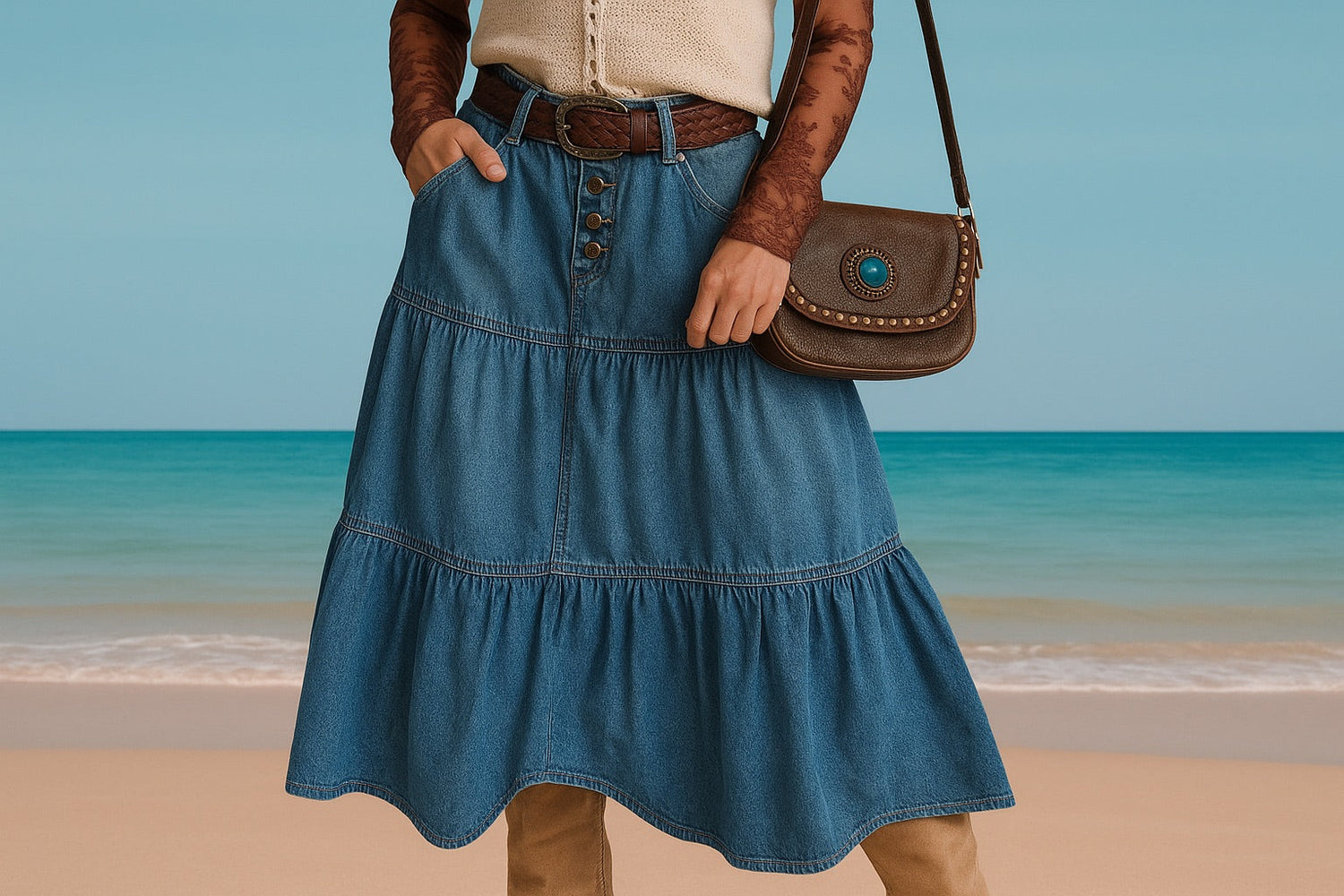
Midi skirts: a midi skirt in a flowy fabric — chiffon, cotton voile, or a lightweight knit — pairs with everything from a graphic tee to a silk-finish blouse. The length is versatile enough for both daytime and evening, and it's a faster outfit decision than coordinating pants.
Mini skirts: still relevant. A mini skirt in denim or cotton canvas is a cleaner silhouette than denim shorts for any occasion that requires a little more effort — brunch, day drinking, outdoor markets.
Shoes for the heat
August is not the month to break in new shoes. Your feet are swollen from the heat, you're walking more than you think, and anything that requires a break-in period will wreck you by 4pm.
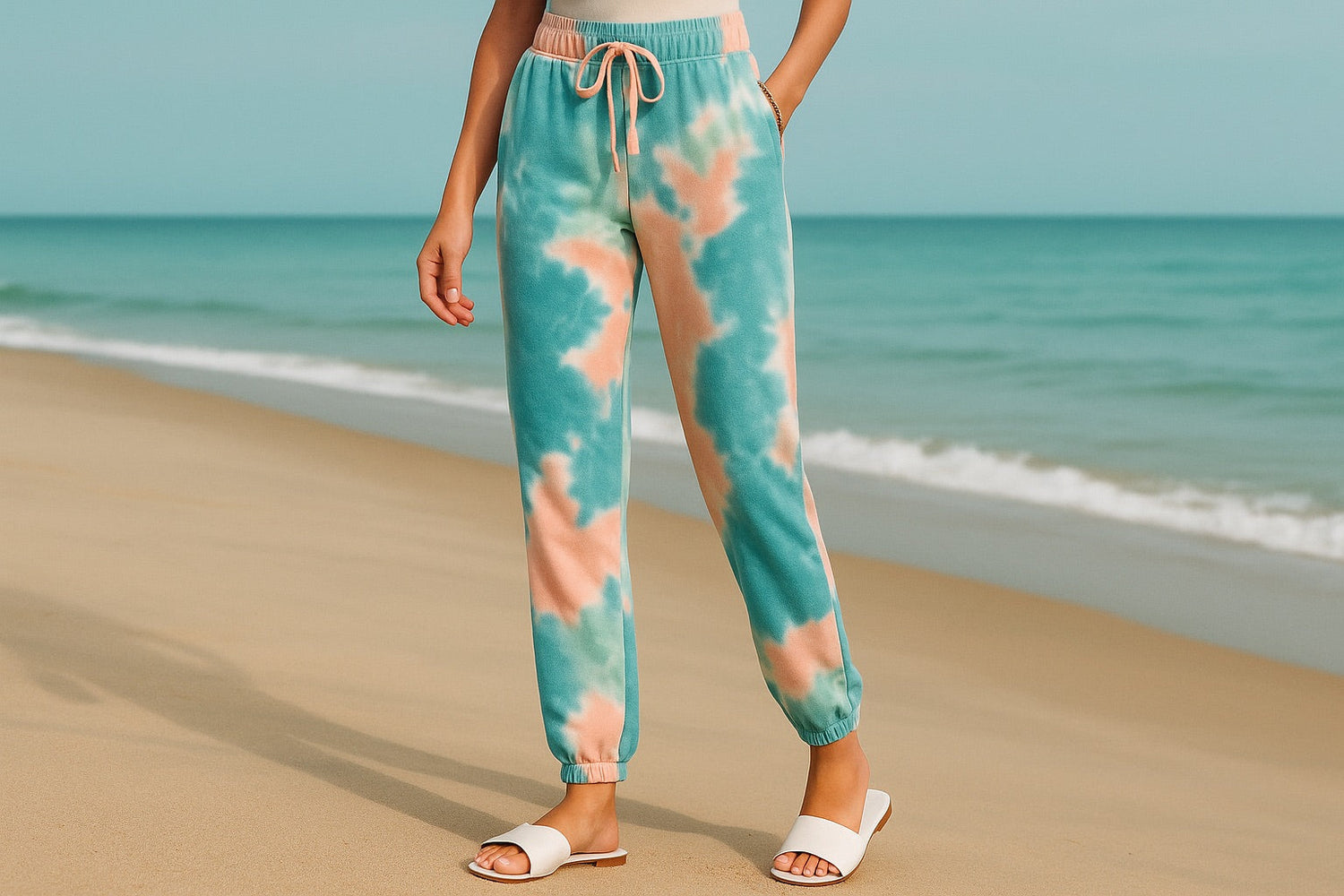
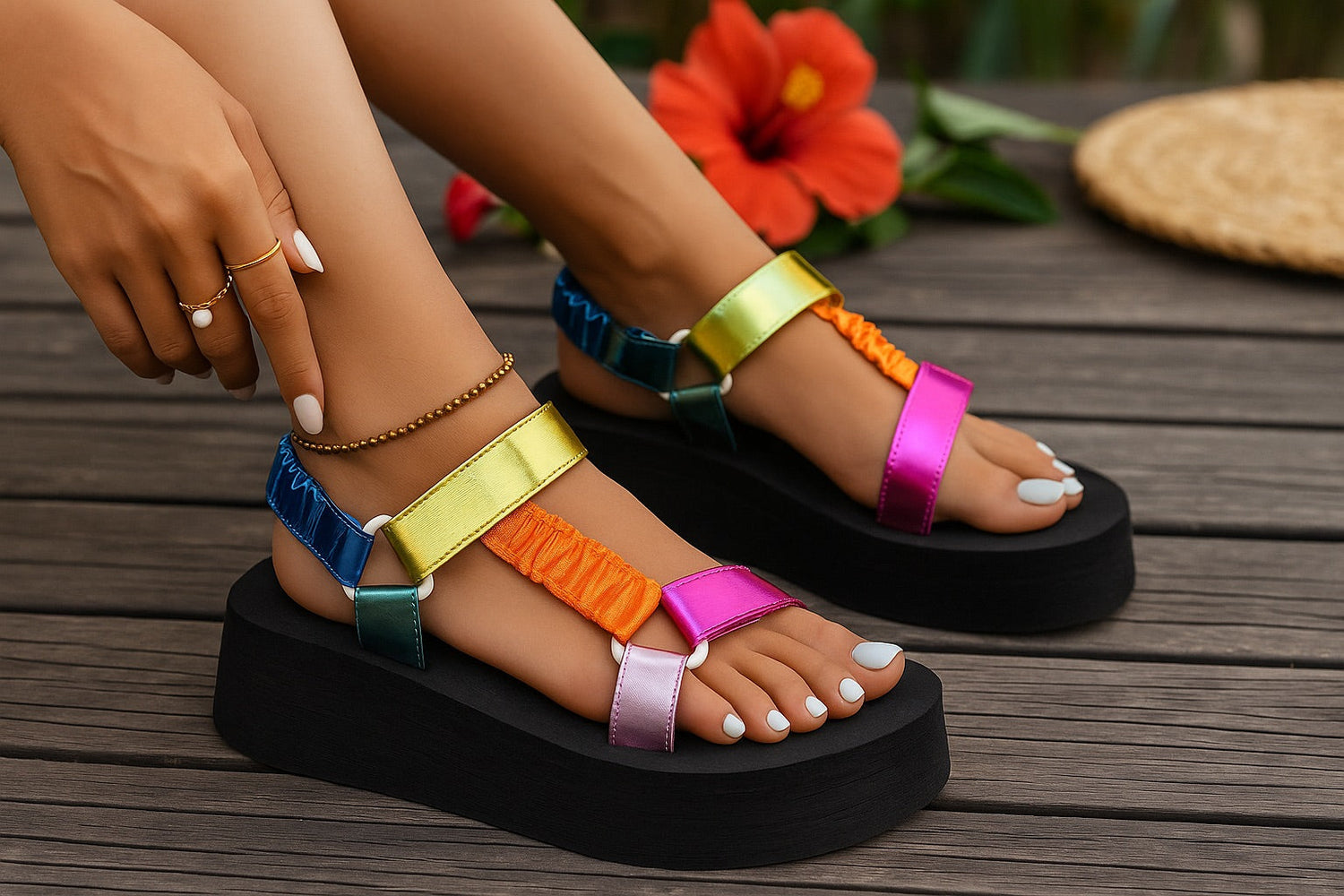
Sandals: the right sandal does everything in August. A leather slide or a strappy flat sandal in tan, black, or white goes from casual to semi-formal depending on the outfit. Block-heel sandals add height without the instability of a stiletto on warm pavement — and they don't sink into grass at outdoor events.
Sneakers: low-profile sneakers in white or neutral work for any casual daytime outfit. The rule we apply: if the dress or skirt hem falls below the knee, a chunky sneaker fights the proportion. Go low-profile.
Flats: flats in a pointed or rounded toe are the most underrated August shoe. They look more intentional than sandals in any setting that's slightly more formal, and they're genuinely comfortable for long days.
One thing to skip in August: ankle boots. The temperature doesn't support them yet, and wearing them before mid-September reads as forcing fall before it's arrived.
Accessories doing the heavy lifting
In August heat, accessories are doing more styling work than layers. A simple dress with the right bag and earrings reads completely differently than the same dress with nothing added.
Bags: a structured crossbody bag keeps hands free and doesn't add bulk. In August, a woven or rattan style reads summer without trying too hard. A tote bag in canvas or straw is the right call for beach-adjacent days — big enough for sunscreen, a book, and a change of shoes.
Jewelry: August calls for restraint. One statement piece — either hoop earrings or a layered necklace — not both. Heat makes jewelry uncomfortable, and too much of it competes with the clean lines that work best in summer silhouettes. Gold tones photograph better in natural light than silver, but wear what you already own.
Sunglasses: non-negotiable. A pair of sunglasses that fits your face shape finishes any August outfit. Oversized frames work with midi and maxi lengths. Smaller frames are better with mini dresses and shorts, where the proportions are already compact.
Hats: a wide-brim hat in straw or cotton canvas is functional and looks right in August in a way it doesn't in October. It's also the fastest way to make a simple outfit look intentional in an outdoor setting.
Occasion by occasion: what to wear where
August concentrates a specific set of occasions. Here's what works for each.
Outdoor concerts and festivals: a midi dress in cotton or a two-piece set with wide-leg pants. Comfortable sandals or sneakers — nothing with a heel. A crossbody bag that zips. Our country concert edit and the broader festival outfits collection both have pieces that work for this.
Late-summer weddings: August weddings are often outdoor or beach ceremonies. A floral or solid wedding guest dress in a breathable fabric — linen, cotton, or Tencel — is more practical than a heavy satin. Block-heel sandals for grass. Avoid white, ivory, and anything too close to the bride's color palette. Our beach wedding guest edit is worth a look if the venue is coastal.
Vacation travel: pack for the heat, not for aspirational temperatures. A vacation dress in a wrinkle-resistant fabric saves you the most trouble. Three dresses, one blazer, two pairs of sandals, and a tote covers most five-day trips without checking a bag.
Office in the heat: a sleeveless midi in a solid color, paired with a lightweight blazer you can remove the moment you step outside. Knit fabrics look better on video calls than linen — linen wrinkles visibly on camera. Our workwear dresses collection has options that read professional without requiring a full suit in 90°F weather.
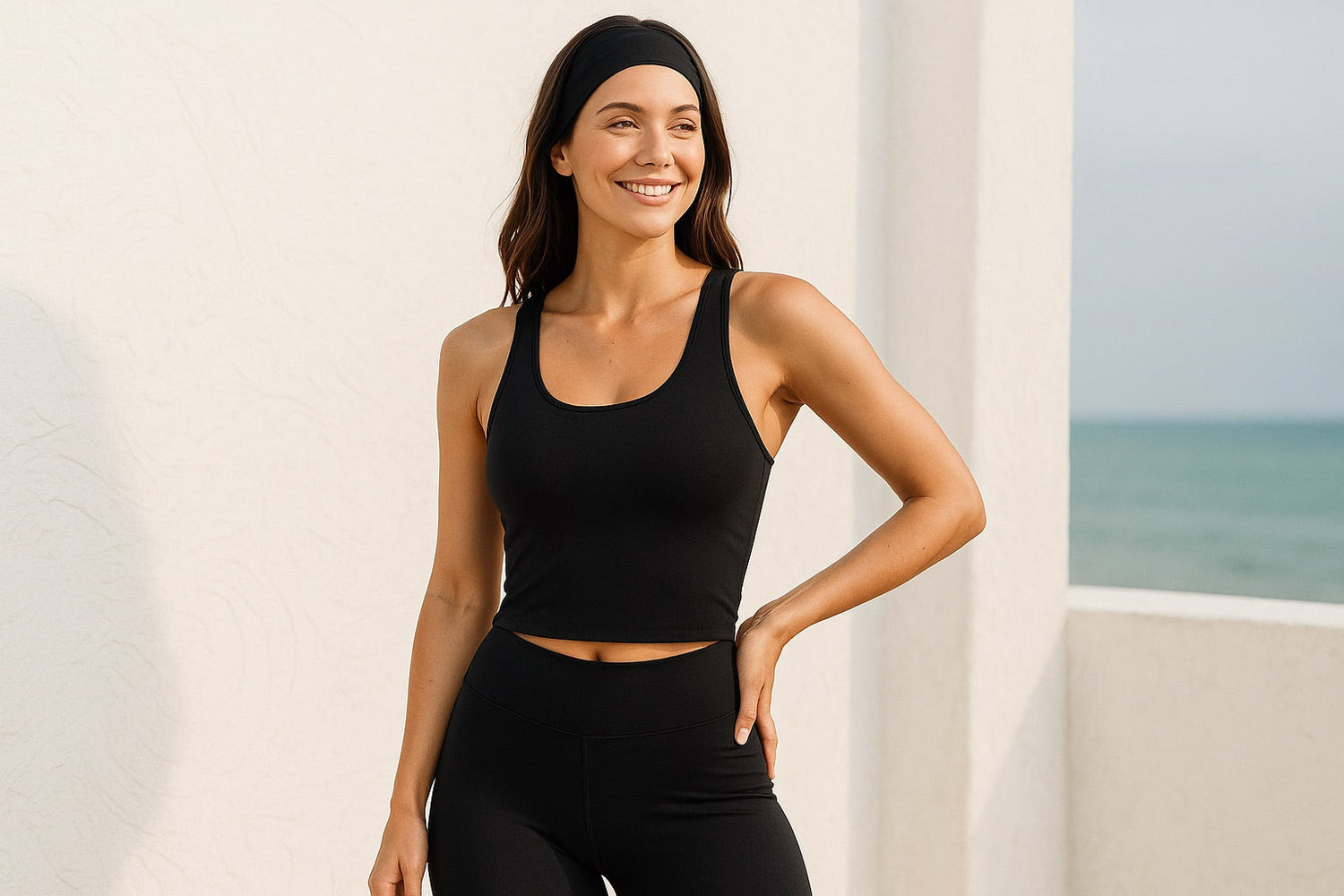
Rooftop bars and evening plans: this is where a date night dress earns its place. Something with a little more structure — a bodycon midi, a satin slip, a smocked dress in a deeper color. Swap the daytime sandals for a strappy heel or metallic flat. Add one piece of jewelry. Done.
What to skip until September
August is when stores start pushing fall, and it's tempting to buy into it. Resist most of it. Specifically:
- Heavy knit sweaters: you won't wear them until October at the earliest in most of the US. Buying now means they sit unworn for six weeks.
- Leather and faux-leather pieces: they trap heat completely. Even a leather jacket that looks right for the season won't be comfortable until temperatures drop below 70°F.
- Ankle boots and closed-toe shoes: same logic. September is soon enough.
- Dark, saturated colors in heavy fabrics: navy wool, burgundy crepe, forest green velvet — all of these absorb heat. Save them for fall.
What's worth buying now in the "transitional" category: unstructured blazers in neutral tones, wide-leg pants in linen, and any dress in a slightly richer color (terracotta, rust, deep sage) that reads fall-adjacent but is still in a summer-weight fabric. Those pieces bridge the gap without making you sweat.
The new arrivals at Livostyle are restocked weekly — the new arrivals page is the fastest way to see what's just landed without sorting through the full catalog.
Frequently asked questions
What are the best fabrics for August heat?
Linen, cotton, and Tencel are the top three. All breathe well, wick moisture, and hold up in sustained heat. Avoid polyester and nylon blends — they trap body heat and don't breathe. If you're shopping for August specifically, check the fabric content label before buying: anything with more than 30% synthetic content will feel noticeably warmer by mid-afternoon.
Is it too early to buy fall clothes in August?
For most of the US: yes, if you're buying heavy-weight fall pieces. The exception is transitional pieces in fall colors but summer-weight fabrics — an unstructured linen blazer in camel, wide-leg pants in terracotta, or a midi dress in rust cotton. Those work now and carry into September without feeling premature.
What shoes work best for outdoor August events?
Block-heel sandals for any event on grass or uneven ground — stilettos sink. Leather slide sandals for casual daytime occasions. Strappy flat sandals for evening when you want something more polished than a slide but don't want heel height. Low-profile sneakers for concerts and festivals. The one rule: wear broken-in shoes. August heat makes new shoes painful faster than any other month.
How do you style a summer dress for an evening event in August?
Three changes are enough: swap flat sandals for a block heel or strappy heel, trade a tote bag for a small crossbody or clutch, and add one piece of jewelry — either statement earrings or a layered necklace, not both. If the dress is casual in cut, an unstructured blazer over the top re-frames the whole outfit for evening without adding much warmth.
What colors work best in August 2026?
White and cream are still strong — they reflect heat and photograph well outdoors. Sage, terracotta, and dusty blue are the transitional colors that read summer now and fall in September. Avoid very dark, saturated colors in heavy fabrics — they absorb heat. If you want a richer color palette, go for it in a lightweight linen or cotton so the fabric compensates for the color.