
The Quiet Comeback of Crochet: Why It Works in 2026
Crochet has been declared "back" every spring for the past four years. This time it actually stuck. The crochet pieces showing up in 2026 are quieter in construction and wider in occasion range than the festival-market versions that came before — and understanding why makes it easier to shop the category without buying something you'll wear once.
What crochet actually is (and why it matters for fit)
Crochet is not knitting. That distinction matters more than it sounds. Knitting interlocks loops in two directions simultaneously, which creates a fabric that stretches evenly and recovers its shape. Crochet builds each stitch independently, interlocking in one direction at a time — the result is a denser, more structured fabric with deliberate open gaps that don't stretch the same way a jersey knit does.
What this means for fit: a crochet dress doesn't cling and release the way a ribbed knit does. It holds a shape — usually the shape the designer intended — and doesn't give much beyond that. If the construction is loose (large open gaps, lightweight yarn), the garment will have movement but not stretch. If the construction is tight (small gaps, thicker yarn), it can feel almost rigid.
The practical takeaway: size up if you're between sizes. Crochet doesn't forgive the way jersey does.
Why crochet is landing differently in 2026
The version of crochet that peaked around 2021–2022 was festival-coded: micro-mini silhouettes, bright colors, visible lining in neon or white. It was fun for Coachella. It was less useful for the other 51 weekends of the year.
What changed is the silhouette and the palette. The boho aesthetic running through 2026 is more restrained than its predecessors — closer to artisan craft than to festival costume. Crochet fits that register because it signals handmade texture without requiring a full bohemian commitment. You can wear a crochet midi over a slip dress to a garden wedding and read "considered" rather than "themed."
The color story matters too. Cream, sand, warm white, terracotta, and sage have replaced the bright pinks and electric blues. Neutral crochet reads more like a fabric choice and less like a statement — which means it works alongside the quieter, more edited wardrobes that are dominating right now.
"Crochet works in 2026 because the silhouettes finally caught up to the fabric. A midi-length crochet dress in off-white is just a beautiful dress. The craft element is there, but it's not the whole point anymore."
— Maya Okonkwo, Livostyle Trend Editor
Search data backs this up. According to Google Trends, queries for "crochet dress" have sustained elevated volume since early 2024, with a notable shift toward longer silhouettes and "crochet midi" specifically gaining ground in early 2026. The trend isn't new — but it's maturing.
The fabric science: what open-knit construction does for your body
The most important thing to know about crochet as a fabric: it breathes. The open gaps in the construction allow airflow that woven fabrics — even lightweight linen — can't match. In temperatures above 80°F, a crochet cover-up over a swimsuit is cooler than most cotton T-shirts.
The tradeoff is coverage. Crochet is inherently sheer wherever the gaps are large. Most crochet dresses are designed to be worn over a slip, a bodysuit, or swimwear — and the lining (or lack of it) is the first thing to check before buying. A fully lined crochet midi in a neutral tone is a completely different garment from an unlined one. Both are valid. They just serve different occasions.
Yarn weight is the second variable. Most fashion crochet uses a fine to medium cotton yarn — typically between a DK weight (3) and worsted weight (4) on the standard yarn scale. Finer yarn creates more delicate, drapey fabric. Thicker yarn creates structure. For beach cover-ups, fine yarn is fine. For a dress you want to wear to dinner, look for medium-weight construction that holds its shape through a full evening.
Cotton vs. acrylic in crochet: cotton is the right choice for warm-weather crochet. It breathes, absorbs moisture, and softens with washing. Acrylic is cheaper and more resistant to pilling, but it doesn't breathe — wearing acrylic crochet in July is uncomfortable in a way that cotton never is. Check the fiber content label before buying. If it says 100% acrylic, put it back. If it says cotton or a cotton-polyester blend (80/20 or better), it's worth considering.
What to buy — and what to skip
Not all crochet is worth the same closet space. Here's how we think about it.
Buy: midi and maxi lengths
A crochet midi or maxi dress earns its place across three distinct occasions: beach-to-lunch, garden weddings, and summer evening events. That's real utility. The longer silhouette also reads more polished — the craft element is present but not the dominant visual.
Buy: cover-ups in neutral tones
A cream or sand crochet cover-up over a black or navy swimsuit is one of the cleaner beach-to-bar transitions in warm-weather dressing. It photographs well, packs flat, and works over a one-piece swimsuit or bikini equally. This is where crochet earns its place in a vacation wardrobe without requiring any particular commitment to the aesthetic.
Buy: tops with structure
A crochet crop top or blouse in a tighter stitch pattern — small gaps, medium-weight yarn — pairs with wide-leg pants or a midi skirt without reading as beachwear. The key is that tighter stitch: it keeps the garment from looking unfinished when worn outside a coastal context.
Skip: micro-mini silhouettes in bright colors
Unless your calendar genuinely includes a music festival this summer, a bright-pink crochet micro-mini has limited wearing occasions and ages quickly. It was the dominant crochet form in 2022. In 2026, it reads dated.
Skip: unlined dresses with large gaps
Large open gaps without a lining underneath require a bodysuit or slip dress beneath them — which is a fine system, but it adds a layer in summer heat. If the dress isn't lined and the gaps are wider than about half an inch, factor in the additional garment before buying.
How to wear crochet without looking costumey
The "costumey" problem with crochet is real. Here's what causes it and how to avoid it.
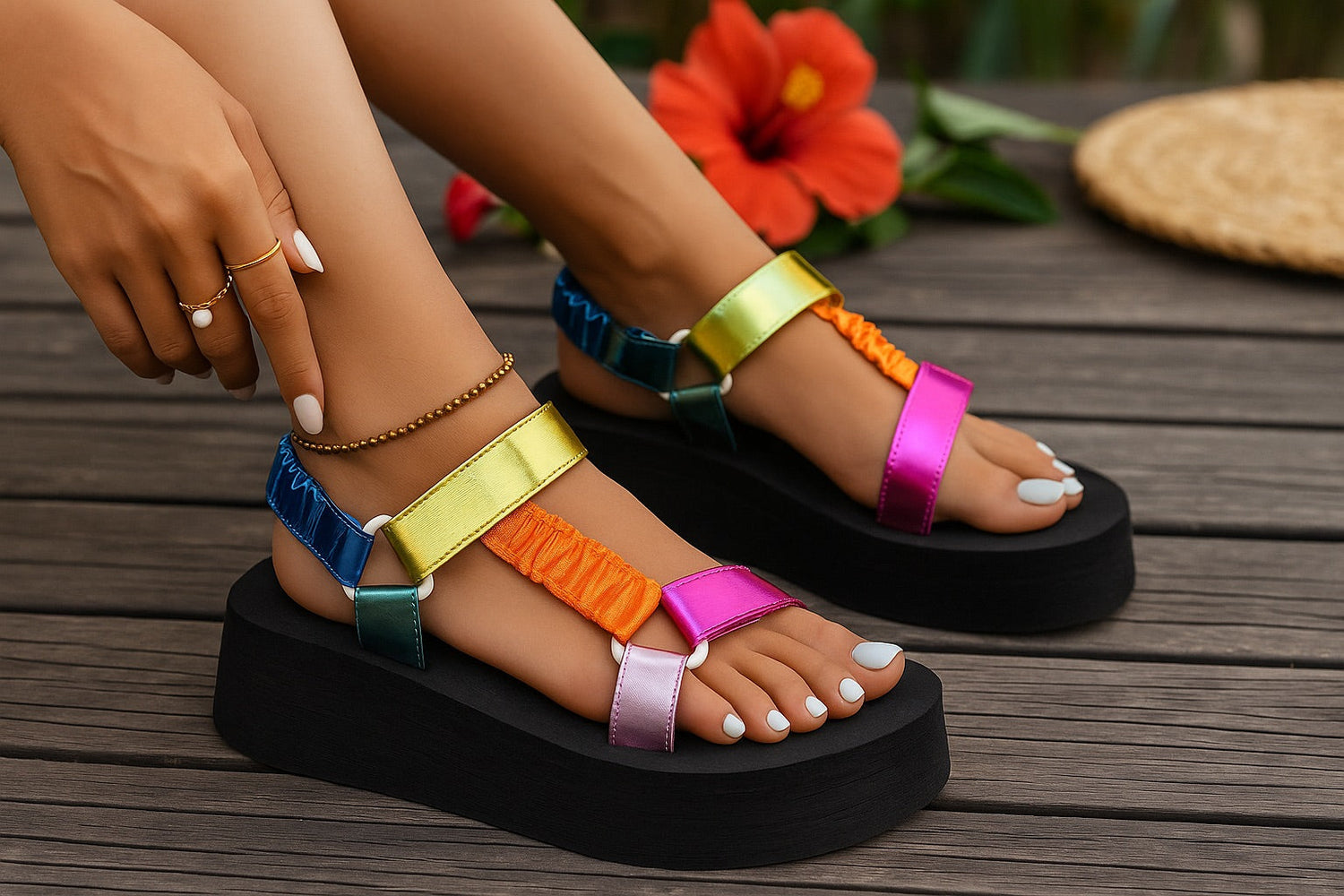
The cause: too many boho signals at once. Crochet + fringe bag + platform sandals + wide-brim hat is a costume. Each element is fine on its own. Together they read as a character rather than a person.
The fix: pair crochet with one clean, modern element. A crochet midi dress with simple leather sandals and a structured crossbody bag reads current. The same dress with a raffia hat, beaded earrings, and woven platforms reads like a Pinterest mood board from 2019.
Three pairings that consistently work:
- Crochet midi + leather slides + gold hoop earrings. The leather and metal ground the textile without competing with it. Works for brunch, beach lunch, or a casual wedding.
- Crochet cover-up + one-piece swimsuit + simple tote. The swimsuit acts as the lining; the tote keeps it functional. This is the easiest version of crochet dressing — no styling decisions required.
- Crochet crop top + wide-leg linen pants + flat sandals. The wide-leg pants shift the silhouette away from beachwear entirely. This combination works for a summer dinner or a weekend market without reading coastal at all.
On accessories: keep them minimal. Crochet already has texture and visual interest built into the fabric. A statement necklace layered over an open-knit top is noise, not styling. Stick to small hoop earrings or simple studs, and let the fabric do the work.
How to care for crochet so it doesn't unravel
Crochet is more fragile than it looks. The open-knit structure means individual stitches are exposed — snag one on a bag closure or jewelry hook and you can pull a loop that unravels several inches of fabric. That's not a manufacturing defect; it's the nature of the construction.
Three rules that extend crochet's life significantly:
- Hand wash or use a mesh laundry bag on delicate cycle. Machine washing without a bag puts direct friction on the open stitches. A mesh bag reduces that friction enough to make machine washing viable. Cold water only — heat shrinks cotton yarn and distorts the stitch pattern.
- Lay flat to dry. Hanging a wet crochet garment stretches it under its own weight. A crochet dress that dries on a hanger can lose an inch or two of length and gain width at the shoulders. Lay it flat on a clean towel, reshape while damp, and leave it.
- Store folded, not hung. For the same reason — long-term hanging distorts the structure. Fold crochet pieces loosely and store them flat. Don't compress them under heavier items; the stitches need space to hold their shape.
If a stitch snags but doesn't break: don't pull it. Use a blunt needle or crochet hook to gently work the extra loop back into the surrounding stitches. Pulling a snag tightens the surrounding yarn and makes the repair harder. Most minor snags are invisible once redistributed.
For a broader look at caring for natural-fiber knits, our knitwear styling and care guide covers the shared principles between crochet and woven knits.
Frequently asked questions
Is crochet still on trend in 2026?
Yes — but in a more refined form than earlier versions of the trend. The micro-mini festival silhouettes have largely given way to midi and maxi lengths in neutral tones. Crochet in 2026 reads as a fabric choice rather than a full aesthetic commitment, which is why it's showing up in occasion dressing and vacation wardrobes rather than just at music festivals.
What do you wear under a crochet dress?
It depends on the stitch density. A tightly constructed crochet dress with small gaps may be opaque enough to wear alone. Most crochet dresses — especially those with larger open stitches — need a slip dress, bodysuit, or swimsuit underneath. Check whether the garment comes lined before buying; a built-in lining removes the decision entirely and keeps you cooler than a separate layer.
Is crochet appropriate for a wedding?
For a garden, beach, or outdoor wedding: yes, a crochet midi in cream, sage, or terracotta is appropriate and photographs well in natural light. For a formal indoor wedding or black-tie event: no — the open-knit texture reads too casual for those settings. The occasion type and venue matter more than the garment category. See our wedding guest dress edit for occasion-specific options.
How do I keep a crochet dress from stretching out?
Three things: wash cold and lay flat to dry (never hang while wet), store folded rather than on a hanger, and avoid overfilling the garment — crochet doesn't recover from being stretched beyond its intended dimensions the way jersey does. If a piece has stretched slightly, washing in cold water and reshaping while damp usually brings it back.
What shoes work best with a crochet dress?
Leather slide sandals are the most consistent pairing — they ground the open-knit texture without competing with it. Block-heel sandals work for evening or semi-formal occasions. Flat leather sandals or simple sneakers work for casual daytime. Avoid platform espadrilles or heavily embellished sandals — they push the overall look toward the costume end of the spectrum.