
Summer Style Essentials: What to Wear in July 2026
July 30th. You're deep in the hottest stretch of the year, your calendar is packed with outdoor dinners, weekend trips, and at least one wedding you forgot to plan an outfit for. The problem isn't a lack of summer clothes — it's that most of what's hanging in your closet doesn't actually work together. This guide fixes that. We've pulled the summer fashion essentials that earn their keep through August: pieces that cover brunch, the office, the beach, and the rooftop bar without requiring a full wardrobe overhaul.
How to edit your summer closet in late July
Late July is a strange moment in a wardrobe. You've been wearing summer clothes for two months, and you know exactly which pieces you keep skipping. That wrap dress that looked great in May? It hasn't moved. The linen set you bought on a whim? You've worn it six times. This is useful information — and the right time to act on it.
Before adding anything new, pull out what you've actually worn since June 1. Those are your real summer essentials. Everything else is inventory. The goal of this guide isn't to hand you a shopping list — it's to give you a framework for thinking about the gaps, so whatever you do buy fills one.
"The July closet audit is the most honest one. You've had six weeks of real summer — you know what you reached for and what you didn't. Trust that data."
— Sarah Lin, Livostyle Style Editor
With that said: there are categories that consistently show up as gaps for most women in late summer. We'll cover each one.
The dress you actually reach for
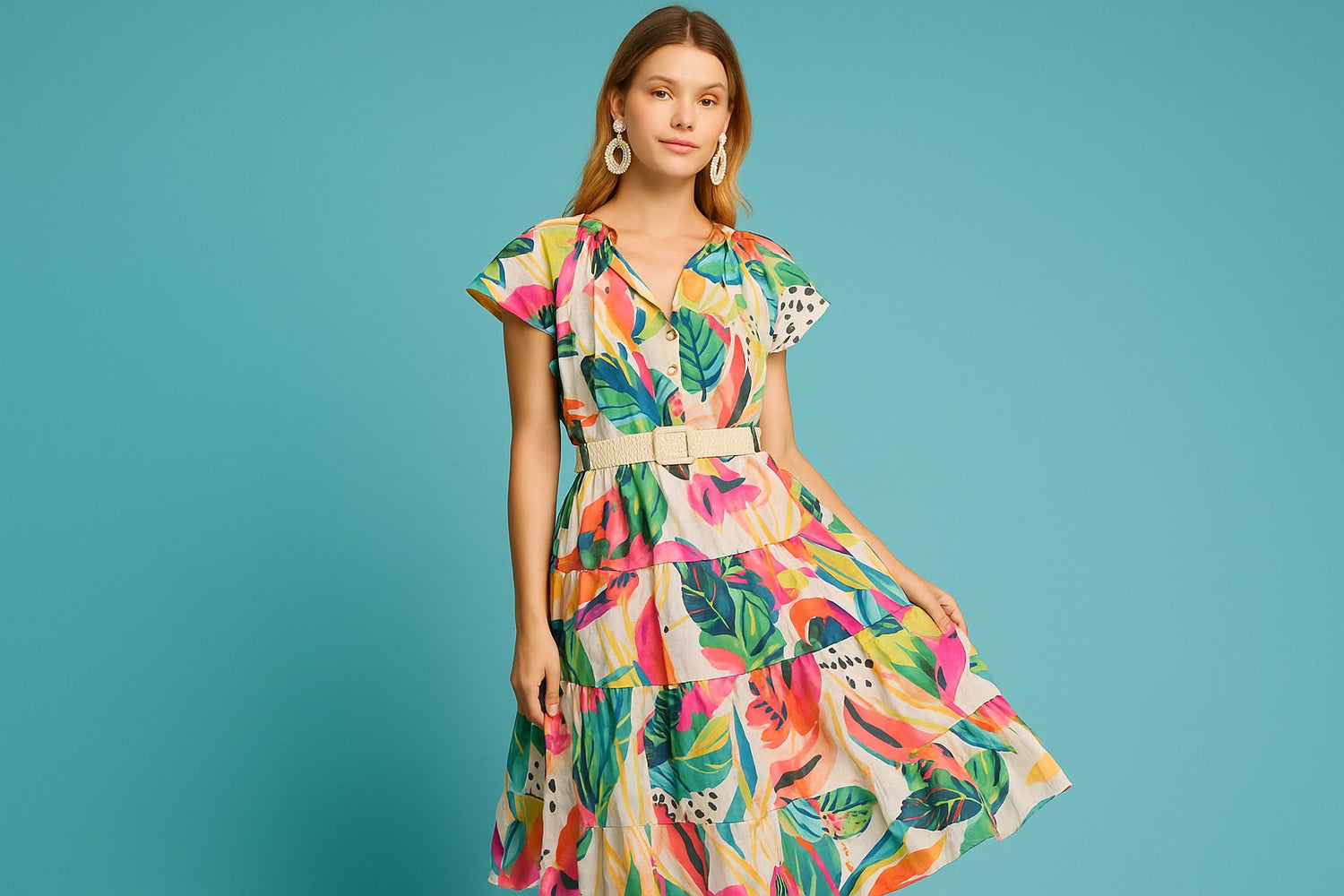
A good summer dress is the single highest-return piece in a warm-weather wardrobe. One garment, zero coordination required. But the category is enormous — summer dresses range from a $22 beach throw-on to a $200 occasion piece — and buying the wrong one is how you end up with a closet full of dresses you don't wear.
Three things determine whether a summer dress gets worn or skipped:
- Fabric. Natural fibers — linen, cotton, Tencel — breathe. Polyester doesn't. In 90°F heat, that's the difference between wearing a dress all day and changing at 2pm. Linen production also uses 75% less water than cotton (CELC, European Confederation of Linen and Hemp), which matters if you're thinking about how clothes are made.
- Length. Midi dresses are the most wearable cut for most occasions — they read dressed-up enough for dinner and casual enough for errands. Mini dresses are great for specific moments; maxi dresses work beautifully for travel and beach days. Most closets need at least one midi before anything else.
- Color. If you own fewer than five summer dresses, build toward neutrals first — cream, sage, terracotta, navy. They pair with every sandal and bag you already own. Prints and bold colors are worth adding once the neutral base is covered.
The linen dress is the one category we'd add to almost any summer wardrobe right now. Linen wrinkles — that's the fabric drying flat, not a defect. Embrace it or choose a cotton-linen blend if you want slightly more structure.
For occasion dressing specifically, floral dresses are doing a lot of work this summer. Not the maximalist prints from a few years ago — the quieter botanical versions, in sage, dusty rose, and off-white grounds. They photograph well outdoors and don't require much accessorizing.
Two-piece sets: the shortcut that works
A two-piece set is the closest thing to a dress in terms of effort. You put on two pieces and look like you planned an outfit — because the coordination is already done. In July, when decision fatigue is real and the heat makes getting dressed feel like a project, that matters.
The sets worth buying right now fall into two categories:
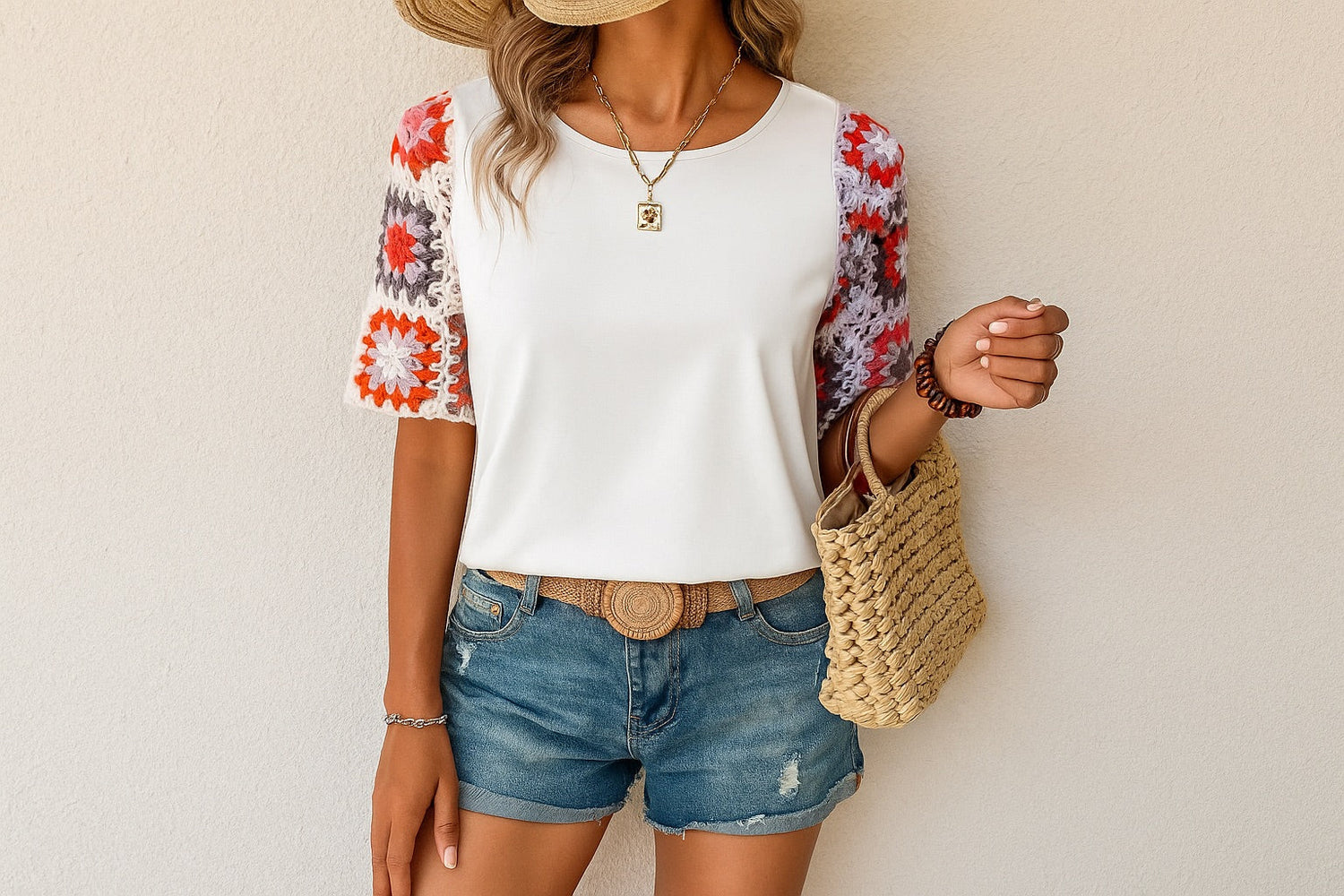
- Matching shorts sets. Linen or cotton, wide-leg shorts with a cropped or relaxed top. Works for brunch, beach errands, and casual evening dinners. The key is proportion — if the shorts are wide-leg, the top should be fitted or tucked. If the shorts are tailored, the top can be looser.
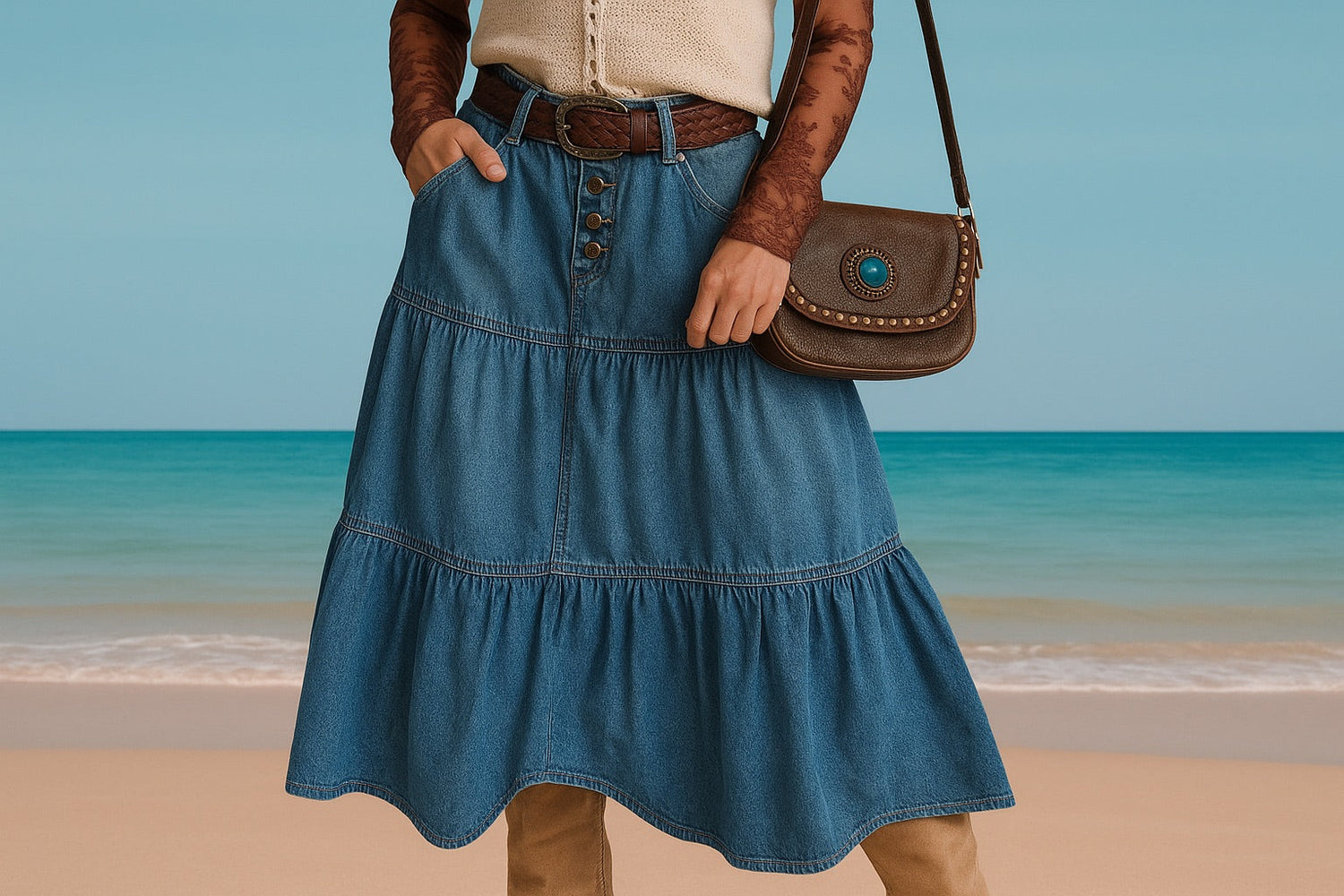
- Skirt sets. A midi skirt with a matching top gives you the visual length of a dress with the flexibility to separate the pieces later. The top works with jeans; the skirt works with a plain white tank. Two outfits for the price of one set.
Avoid sets in fabrics that wrinkle badly and don't recover — some rayon blends look great on the hanger and terrible by noon. Cotton ribbed knits and linen-cotton blends hold up through a full day.
Tops and bottoms worth mixing
Not every summer outfit needs to start with a dress or a set. A strong top-and-bottom combination — one you can reach for without thinking — is worth having.
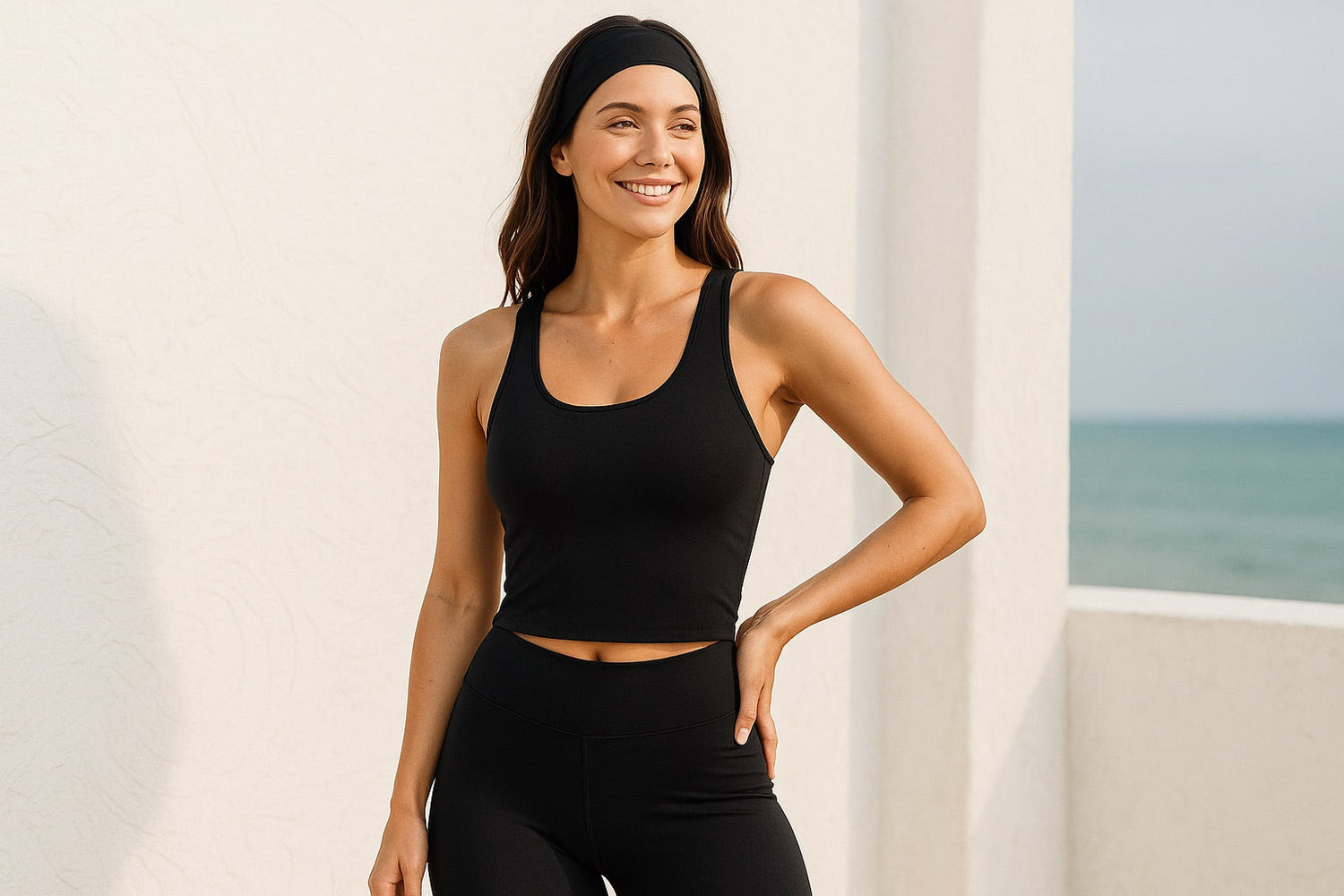
For tops: tank tops in solid neutrals are the backbone. White, cream, black, sage. They go under blazers, over swimsuits, and with everything from denim shorts to wide-leg linen pants. A ribbed cotton tank at a medium weight (around 5–6oz) holds its shape better than a thin jersey version, which goes see-through after a wash or two.
Crop tops are worth having if you're pairing with high-waisted bottoms — the proportion is clean and intentional. With low-rise anything, the math gets harder.
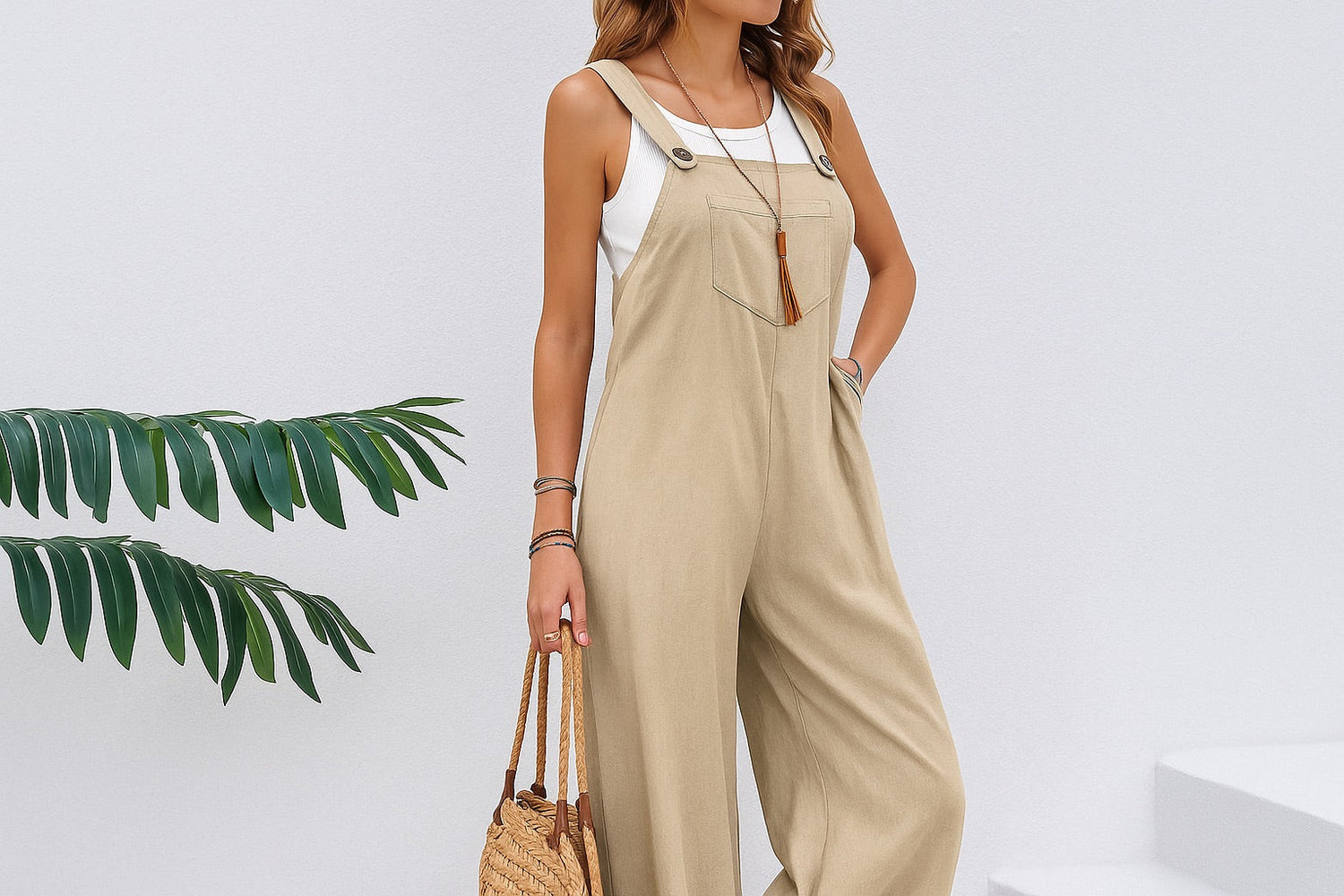
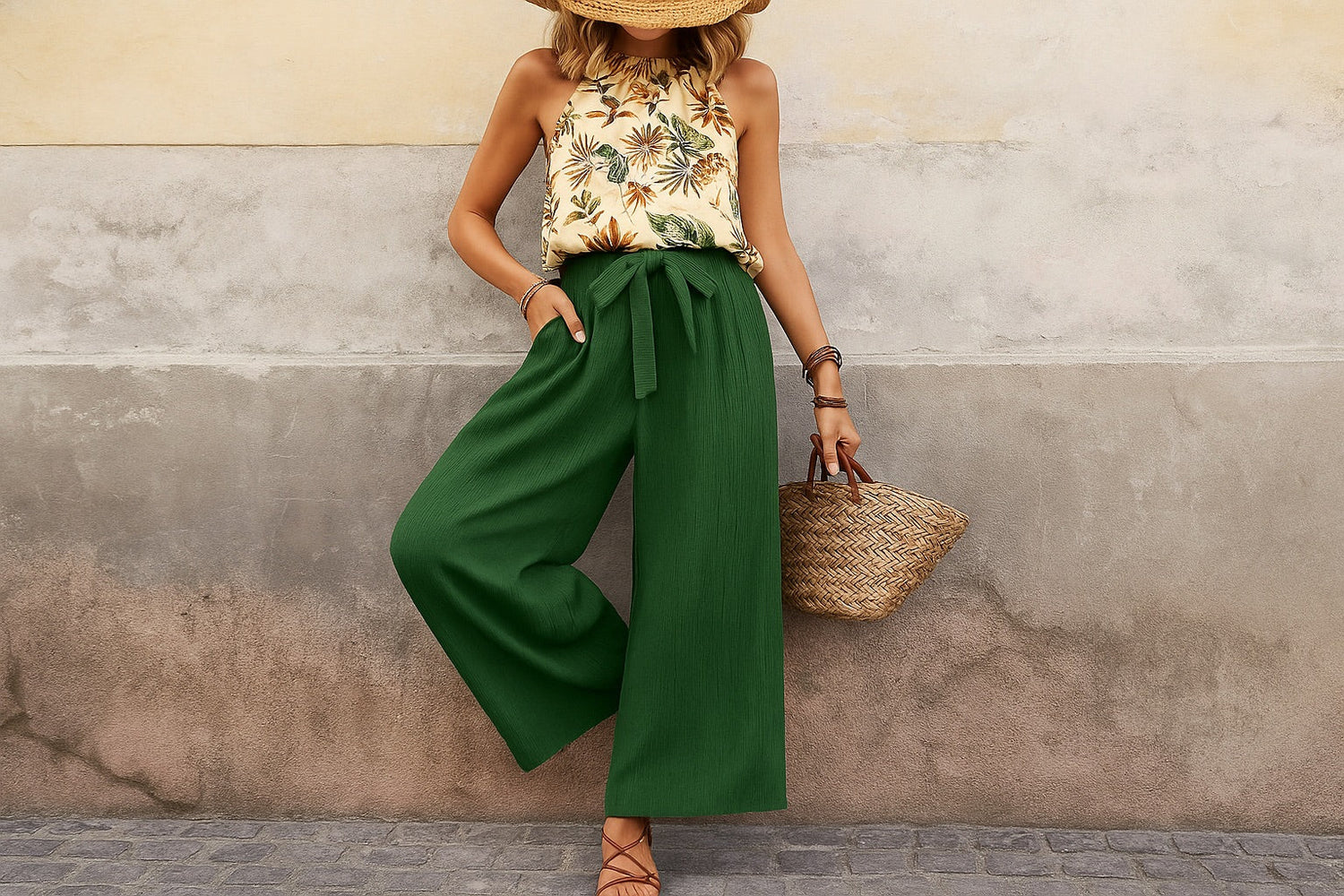
For bottoms: wide-leg pants in a lightweight fabric are the most underused summer piece. They're cooler than jeans, more polished than shorts, and work for office-to-dinner transitions in a way that denim shorts don't. Linen wide-legs in particular — cream, white, or natural — photograph beautifully and feel like wearing air.
Denim shorts are a summer staple, but the fit matters more than the wash. A mid-rise, straight-leg cut works on more body types than a low-rise or a very short inseam. If yours don't fit right, they won't get worn — no matter how many times you try.
The shoe situation
Two pairs of shoes cover most of summer. That's it.
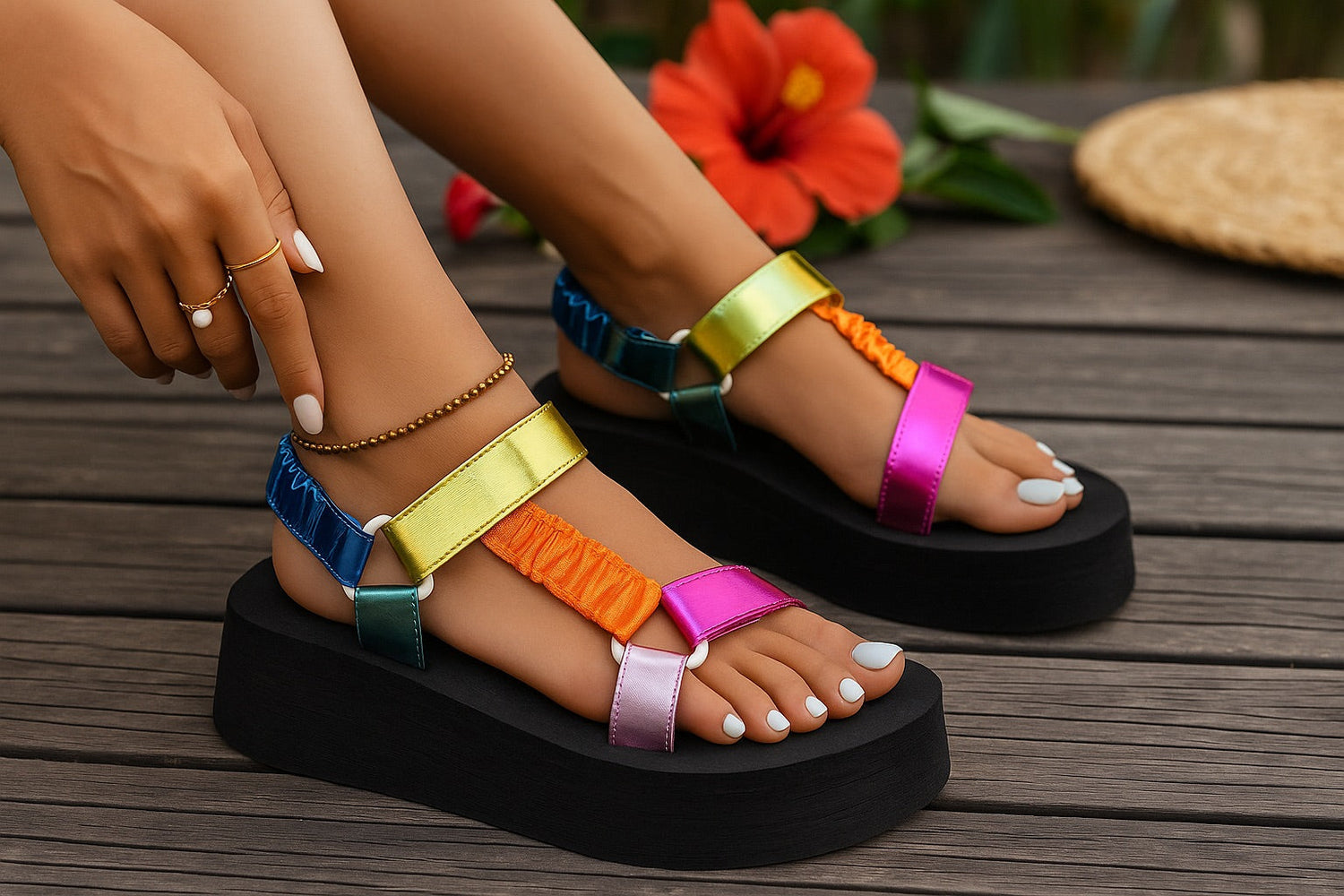
Pair one: sandals. A leather or leather-look slide sandal in a neutral — tan, black, or white — handles brunch, errands, beach days, and casual dinners. Block-heel versions add formality without sacrificing comfort on uneven ground. Stilettos sink into grass. We learned this the hard way.
Pair two: sneakers. Low-profile, white or neutral. They work with midi dresses (unexpectedly well), wide-leg pants, shorts, and sets. Avoid chunky dad-sneakers with long hemlines — the proportion fights itself.
A strappy heeled sandal is worth adding if your calendar includes evening events — rooftop bars, cocktail parties, weddings. But it's the third shoe, not the first.
Bags for summer
Summer calls for bags that can move fast. A heavy structured tote is a winter bag. In July, you want something lighter.
A crossbody bag keeps your hands free and your shoulders unburdened. In a neutral leather or woven texture, it works from morning coffee to evening drinks. The size matters: big enough for your phone, card, keys, sunscreen, and sunglasses — not much bigger. Anything larger becomes a tote by default.
Tote bags earn their place for beach days, farmers markets, and any day where you're carrying more than usual. A canvas or straw tote in a natural color is the most useful version — it doesn't show sand, it folds flat, and it doesn't feel precious.
Mini bags are for evenings when you genuinely only need your phone and a card. They force an outfit into cocktail mode — which is exactly the point.
The layer everyone forgets
July is hot outside and freezing inside. Every restaurant, office, and movie theater is running air conditioning at a temperature that makes a sleeveless dress feel like a mistake by the second course.
You need a layer. Not a heavy one — something that lives in your bag and comes out when you sit down.
Three options that actually work:
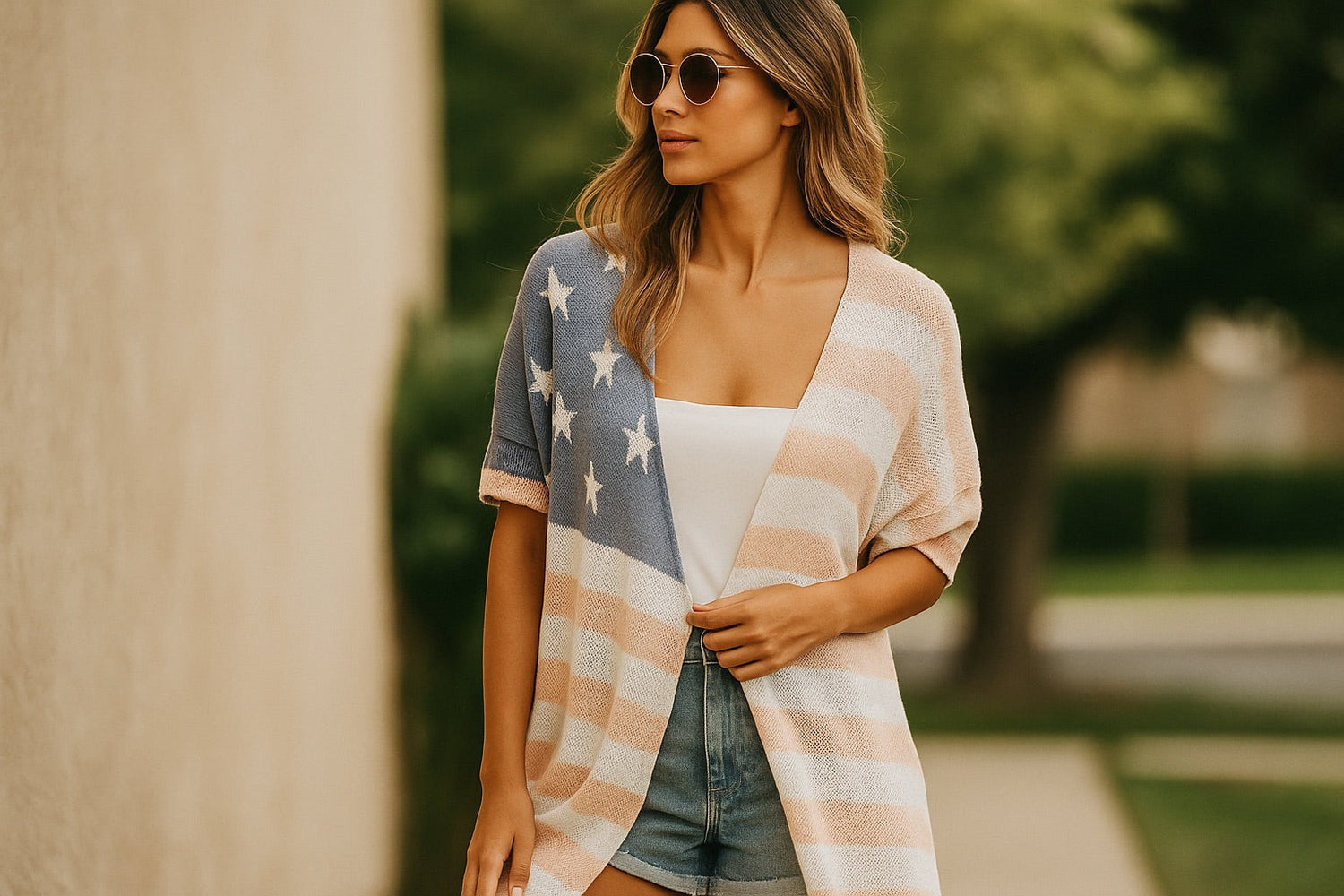
- A lightweight cardigan in a fine-gauge cotton or modal knit. Not a chunky sweater — something that folds to the size of a paperback.
- An unstructured blazer in linen or a linen blend. This is the most polished option — it takes a casual summer dress into office or dinner territory instantly.
- A cotton button-down shirt worn open over a tank or dress. The easiest layer, the most casual, and the most flexible — it doubles as a beach cover-up.
The layer doesn't need to match your outfit. It needs to not clash. Neutral layering pieces — cream, white, sage, camel — work with everything else you own.
Occasion breakdown: what to wear where
The same five pieces can cover very different occasions depending on how you style them. Here's a fast reference:
- Brunch: Linen midi dress + slide sandals + crossbody bag. Done in three minutes, appropriate for anywhere from a patio to a hotel restaurant.
- Office (in the heatwave): Wide-leg linen pants + fitted tank + unstructured blazer + low-profile sneakers or flats. The blazer makes it office-appropriate; lose it the moment you leave.
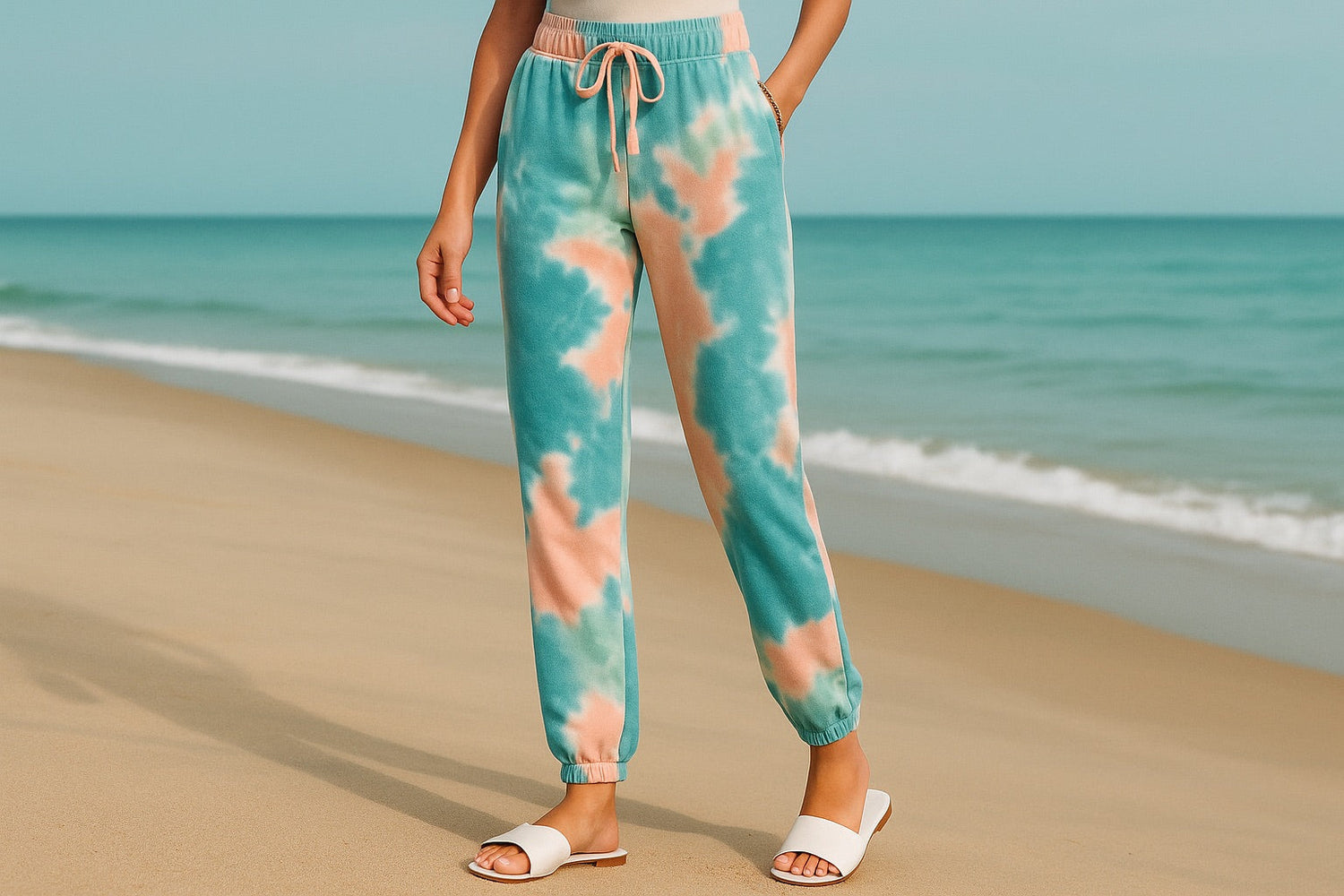
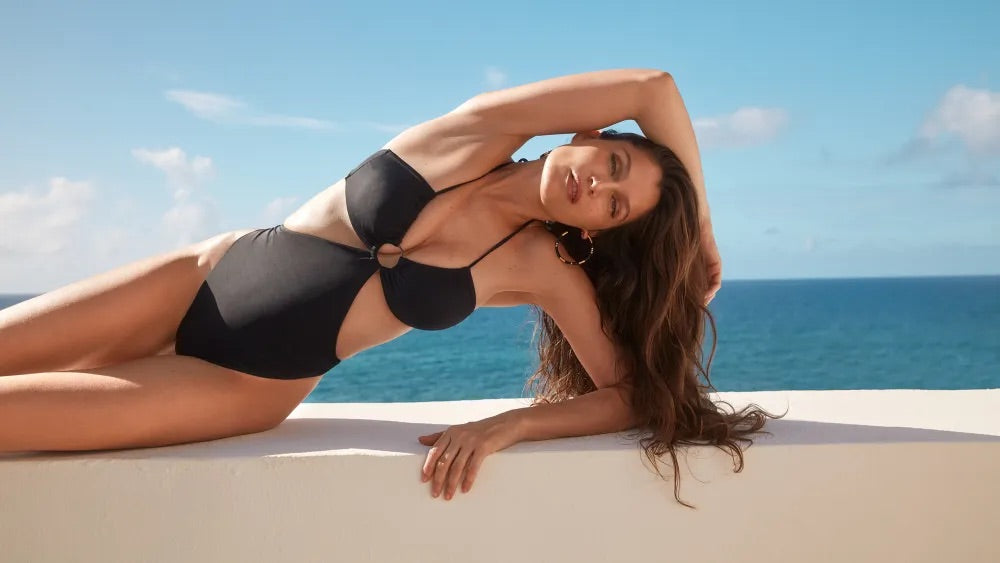
- Beach day: Two-piece set or beach dress over a swimsuit + slides + canvas tote + sunglasses. The set does double duty as a cover-up — no separate layer needed.
- Wedding guest: Floral midi or wedding guest dress + block-heel sandals + small structured bag. Avoid white, ivory, and anything that reads more formal than the venue. Garden weddings: block heels, always. Stilettos sink.
- Rooftop cocktails: A date night dress in a slightly elevated fabric — satin, crepe, or a fine knit — with a strappy heel and a mini bag. The fabric does the work; you don't need much else.
- Vacation: This is where vacation dresses and sets earn their keep. Pack two dresses, one set, one pair of sandals, one pair of sneakers, and a crossbody. That covers five days without checking a bag.
Frequently asked questions
What are the summer fashion essentials for late July?
In late July, the five categories that cover the most ground are: a breathable midi dress in linen or cotton, a two-piece set in a lightweight fabric, slide sandals, a crossbody bag, and a thin layer (cardigan or blazer) for air-conditioned spaces. These five pieces handle brunch, the office, beach days, and evening events without requiring a large wardrobe.
What fabric is best for summer dresses in the heat?
Linen and cotton breathe best in high heat. Linen is the cooler of the two — it wicks moisture and dries quickly — but it wrinkles more. Cotton-linen blends offer a middle ground: slightly less wrinkle-prone, still breathable. Avoid polyester and most synthetic blends above 75°F; they trap heat and don't recover well after a full day of wear.
How do you dress for both outdoor heat and air-conditioned indoors in summer?
The fastest solution is a thin layer that lives in your bag: a fine-gauge cotton cardigan, an unstructured linen blazer, or a light button-down shirt worn open. Choose a neutral color so it doesn't require matching. The layer goes on the moment you sit down inside and comes off when you step back out — no outfit change needed.
What shoes work best for summer outfits?
Two pairs cover most of summer: a leather or leather-look slide sandal in a neutral (tan, black, or white) for casual to semi-formal occasions, and a low-profile white sneaker for everything else. Add a strappy heeled sandal if your calendar includes cocktail events or weddings. Block heels are the practical choice for outdoor venues — they don't sink into grass the way stilettos do.
Is it worth buying new summer clothes at the end of July?
Yes — with one condition. Buy to fill a specific gap, not to add volume. If you've been reaching for the same two dresses all summer and skipping everything else, you don't need more dresses. You might need better shoes, a bag that works harder, or a layer for indoor spaces. Identify the actual gap first. The pieces you buy in late July still have six-plus weeks of summer use, plus fall transition potential if you choose the right colors and fabrics.