The Warmest Sweater Fabrics, Ranked: Wool, Merino, Cashmere, Alpaca and Acrylic

Two sweaters can look identical on a hanger and feel completely different at a bus stop in January. The difference is almost always the fiber. This guide compares the fabrics you will actually see on sweater labels, explains why some keep you warm and others do not, and shows how to read the label so you know what you are paying for.
The ranking at a glance
| Fiber | Warmth | Softness | Breathability | Pilling | Typical price |
|---|---|---|---|---|---|
| Alpaca | Very high | Soft | High | Low to medium | $$$ |
| Cashmere | Very high | Very soft | High | Medium (fine fibers) | $$$ |
| Wool | High | Varies, can itch | High | Low to medium | $$ |
| Merino wool | High | Soft | Very high | Low to medium | $$ |
| Mohair | High | Fuzzy, can shed | High | Low | $$ |
| Acrylic | Medium | Soft at first | Low | High | $ |
| Polyester / fleece | Medium | Soft | Low | Medium to high | $ |
| Cotton | Low | Soft | High | Low | $ |
The ratings above are general characteristics of each fiber. Knit thickness matters as much as fiber: a chunky acrylic sweater can feel warmer than a thin wool one.
Why wool keeps you warm
Warmth in a sweater comes from still air. Animal fibers such as wool, cashmere and alpaca have a natural wave, called crimp, that keeps fibers from lying flat and creates thousands of small air pockets in the knit. Those pockets slow down heat loss.
The second reason is moisture. Wool absorbs water vapor from your skin into the fiber itself, so it keeps insulating when you sweat on a crowded train or walk in wet snow. Most synthetics hold moisture on the surface instead, which is why an acrylic sweater can feel clammy indoors and cold once you step outside. Wool also needs less washing: The Woolmark Company notes it is naturally stain, odor and crease resistant.
Fiber by fiber
Wool
Under US law, "wool" means the fiber from the fleece of sheep or lambs or the hair of Angora or Cashmere goats, and it can include specialty fibers such as camel, alpaca, llama and vicuña (Wool Products Labeling Act). Regular wool is warm and durable; thicker fibers can feel scratchy against bare skin, so wear it over a layer if you are sensitive.
Merino wool
Merino comes from merino sheep and has much finer fibers than regular wool, which is why it rarely itches. It is warm, breathable and works as a base layer under a coat. If you want one sweater that handles both a cold commute and a warm office, choose merino.
Cashmere
Cashmere is the fine undercoat of the cashmere goat. In the US a product can only be labeled cashmere if the average fiber diameter is 19 microns or less and no more than 3% of the fibers (by weight) are coarser than 30 microns (16 CFR 300.19). That fineness makes it very soft and very warm for its weight. The trade-off: fine fibers pill more, and cheap cashmere often uses shorter fibers that pill quickly.
Alpaca and mohair
Alpaca fiber is partly hollow, which makes it warm and light, and it contains no lanolin, so some people who find wool itchy tolerate it better. Mohair, from the Angora goat, has a natural sheen and a fuzzy halo; it is warm and resists pilling but can shed.
Acrylic
Acrylic is a synthetic fiber designed to imitate wool. It is soft, light, machine washable and inexpensive, and it holds bright colors well. It breathes less than wool and pills faster, especially where an arm rubs against a bag strap. It also does not felt, so it will not shrink like wool, but high dryer heat can permanently stretch or flatten it.
Polyester and fleece
Polyester is used in sweater blends and in fleece. Brushed fleece and sherpa trap a lot of air and feel very warm in dry cold, but they do not handle moisture as well as wool.
Cotton
Cotton sweaters are comfortable and easy to wash, but cotton absorbs moisture and loses its insulation when damp. It is a good choice for mild days and layering indoors, and the weakest choice for real cold.
Are blends worth it?
Most sweaters under $50 are acrylic, polyester or blends, and that is not automatically bad. A blend can combine wool's warmth with a synthetic's durability and lower price. As a rule of thumb:
- 30–50% wool or more gives you noticeably better warmth and breathability than 100% acrylic.
- A little nylon (5–20%) adds strength and helps a wool sweater keep its shape.
- "Cashmere blend" with 5% cashmere will not feel like cashmere; the price should reflect the main fiber, not the smallest one.
How to read a sweater label
US labels must list fiber content by generic name and percentage of weight, in order of predominance (16 CFR Part 303, Textile Act rules). So "60% acrylic, 30% polyester, 10% wool" is mostly acrylic, whatever the product name says. Three things to check:
- The first fiber listed is the one that decides how the sweater behaves.
- The care label. "Machine wash cold, dry flat" is a good sign for everyday wear; "dry clean only" adds cost over time.
- The knit. Hold it to the light. A dense, springy knit keeps more air than a loose, flat one in the same fiber.
On Livostyle product pages, the material line and the supplier's composition are shown in the product details, so you can check the fiber before you order.
Which sweater to buy for your winter
- Very cold, outdoor days: a thick wool, alpaca or wool-blend sweater under a coat.
- Commute plus heated office: merino or a fine wool blend you can wear all day.
- Soft and special: cashmere, worn on its own and washed gently.
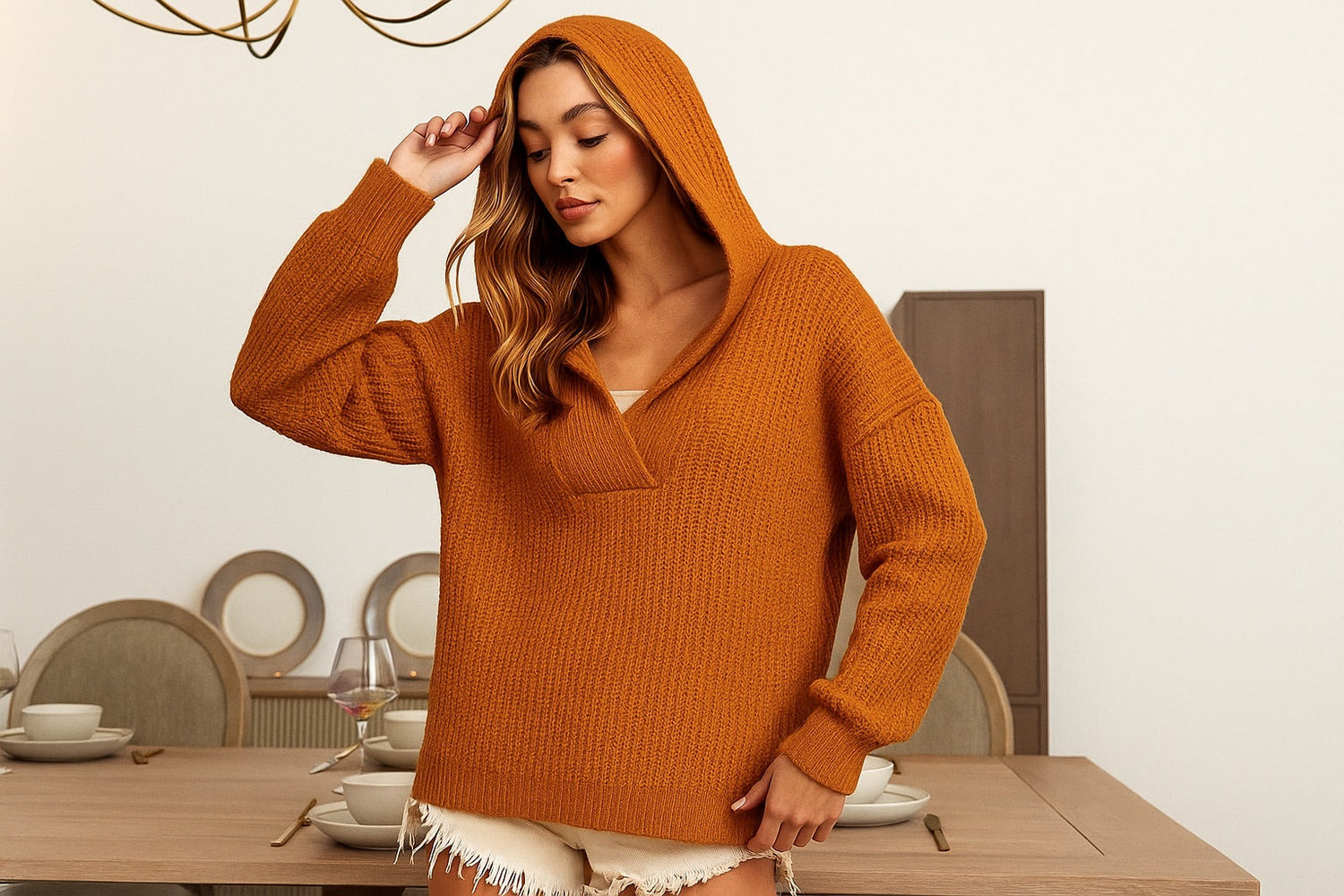
- Budget and easy care: acrylic or a blend, chosen in a dense knit; de-pill it regularly.
Browse sweaters and knitwear, cardigans and turtlenecks. To keep any sweater looking new, read how to wash sweaters without shrinking them and how to de-pill a knit.
Sources
- US Federal Trade Commission, Wool Products Labeling Act (definition of wool): ftc.gov
- 16 CFR 300.19, use of the terms "mohair" and "cashmere": ecfr.gov
- 16 CFR Part 303, rules under the Textile Fiber Products Identification Act: ecfr.gov
- The Woolmark Company, How to wash wool: woolmark.com
Frequently asked questions
What is the warmest material for a sweater?
Alpaca, cashmere and wool are the warmest common sweater fibers. Their crimped fibers trap air, and wool keeps insulating even when slightly damp. Merino wool is the best all-round choice because it is warm, soft and breathable. Thickness of the knit matters too: a dense, chunky knit is warmer than a thin one in the same fiber.
Is cashmere warmer than wool?
For its weight, cashmere is generally warmer and softer than regular wool because its fibers are much finer: US rules require an average diameter of 19 microns or less. A thick wool sweater can still be warmer than a thin cashmere one, and wool is usually more durable and pills less.
Is acrylic warm enough for winter?
Acrylic feels warm in dry cold and is fine for everyday wear, especially in a thick knit. It breathes less than wool, can feel clammy indoors and pills faster. A blend with 30% or more wool gives better warmth and comfort for a small price difference.
Why does wool itch and how do I avoid it?
Thicker wool fibers press against the skin and cause the prickly feeling. Choose merino, cashmere or alpaca, which have finer or smoother fibers, or wear a thin cotton or silk layer underneath a regular wool sweater.
What does "wool blend" mean on a label?
It means the sweater contains wool plus at least one other fiber. US labels list every fiber by percentage of weight in order of predominance, so check the first fiber listed: "70% acrylic, 30% wool" is mostly acrylic.