
Met Gala 2026 Recap: The Trends Worth Stealing and Where to Find Them Now
The Met Gala 2026 carpet happened Monday night. By Tuesday morning, the search data was already moving — bodycon silhouettes, sheer layering, and sculptural florals all spiked on Pinterest and Google Trends within 12 hours of the first looks dropping. We watched the whole thing so you don't have to decode it alone. Below, five trends that actually showed up in force, what they mean for a real wardrobe, and the spring bestsellers that translate each one without the couture price tag or the stylist team.
How to read a red carpet (and what to ignore)
Red carpets are not trend forecasts. They're theater. Most of what you see on a Met Gala carpet is a one-of-one commission built around a specific body, a specific lighting rig, and a specific photographer angle. Copying it directly is a trap.
What carpets actually tell you is which directions designers are betting on. When three separate houses all show up with sculptural 3D florals, that's not a coincidence — it's a signal that floral texture (not just floral print) is the move for spring. When five celebrities independently choose monochrome column dresses in bone or ivory, the industry has decided that quiet is loud this season.
Our job — and what this piece does — is extract the signal from the spectacle. We're not chasing the $30,000 gown. We're identifying the proportion, the fabric behavior, the color temperature that shows up repeatedly, and finding where that same energy already lives in our dress edit.
"Runway and red carpet are a mood board, not a shopping list. Pull the feeling, not the garment."
— Maya Okonkwo, Livostyle Trend Editor
Trend 1 — Sculptural florals
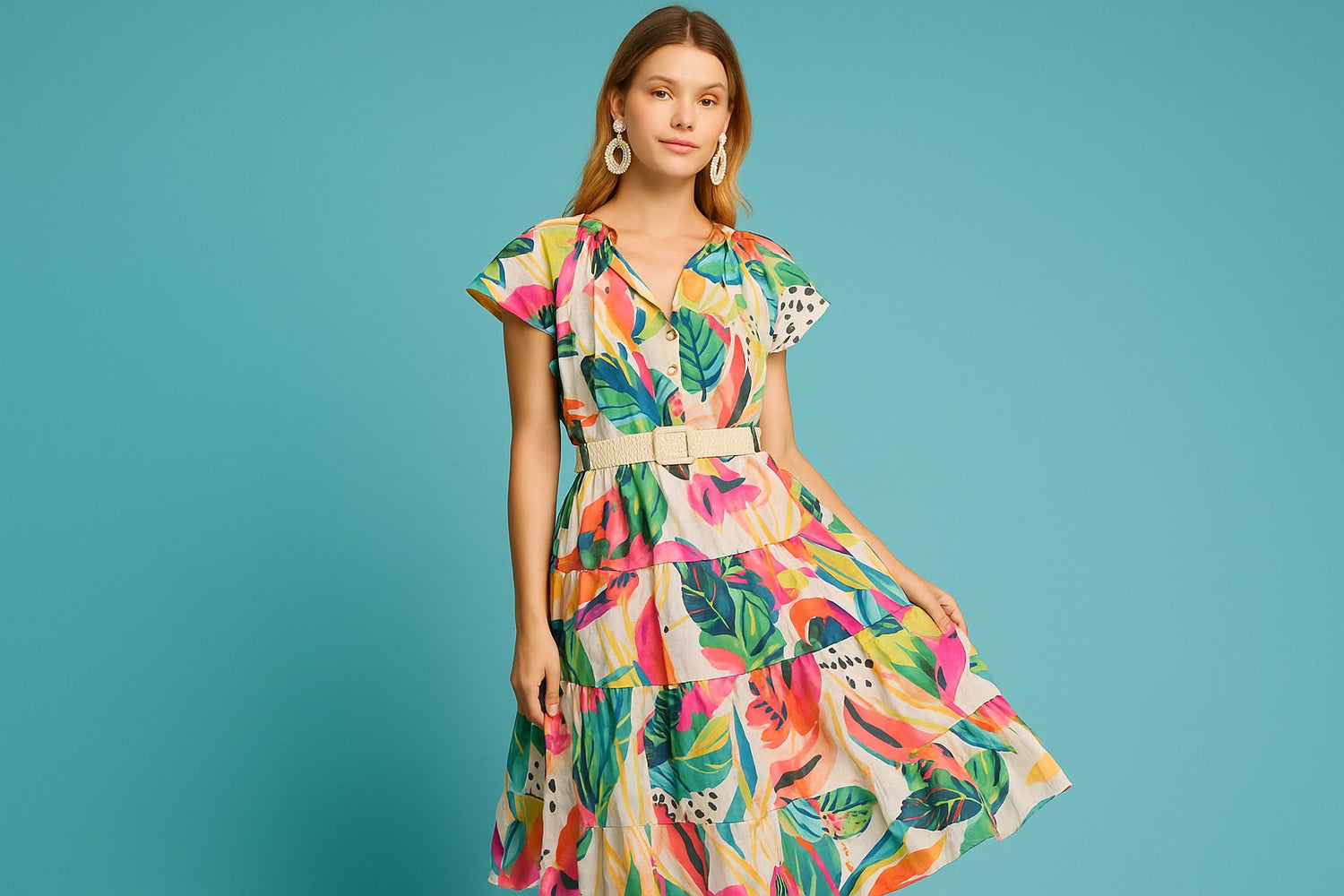
This wasn't the flat floral print of 2022. The 2026 version has dimension — petals that stand away from the fabric, ruffle clusters that create a 3D silhouette, embroidered textures that catch light differently at every angle. The reference point is more Georgia O'Keeffe painting than vintage wallpaper.
On the carpet, it showed up in gowns that were almost architectural. In real life, the translation is simpler: look for floral dresses where the print has scale and contrast, or where ruffles and tiered hems add physical texture to the silhouette. A flat ditsy floral on a basic shift doesn't carry this energy. A bold, oversized bloom on a flowing midi does.
How to wear it: Let the dress be the statement. Keep accessories minimal — a pair of simple gold hoops and a nude sandal. The dress is already doing the work. Anything else competes.
The occasion: Garden wedding guest, spring brunch, outdoor dinner. This trend does not survive a fluorescent-lit office.
Where to start: Browse the floral prints collection and filter toward midi and maxi lengths — the longer silhouette grounds the visual drama.
Trend 2 — Sheer layering
Sheer fabric was everywhere on the 2026 carpet, but almost never worn alone. The look was always layered — a sheer overlay on a slip dress, a translucent skirt over a bodysuit, a mesh top under a structured blazer. The sheer element adds lightness; the layer underneath keeps it grounded.
This is actually one of the most practical red-carpet trends to translate, because you probably already own half of it. A slip dress you already have becomes the base. A sheer or mesh top layers over a bralette for a night-out version. The point is the contrast between opaque and transparent within a single outfit.
How to wear it: Pick one sheer element per outfit — not two. Sheer top over opaque bottom, or opaque top over a sheer-hem skirt. Both work. Both sheers at once reads costume.
The occasion: Date night, cocktail party, rooftop event. The layering adds formality; this doesn't read casual.
Where to start: The date night edit is the fastest route. Look specifically at midi dresses with tiered or mesh-paneled hems — those are the closest off-the-rack translation.
Trend 3 — Monochrome dressing
Head-to-toe single color was the most-repeated carpet formula of the night. Ivory, bone white, and dusty sage dominated. One deep burgundy column. A few all-black looks that felt deliberate rather than default. The key detail in every successful monochrome look: tonal variation within the single color. Not one flat shade from neck to toe, but two or three values of the same hue — a cream blouse with an ivory wide-leg pant, for example.
Monochrome dressing is the easiest red-carpet trend to adopt because it requires no new silhouette thinking. You're just editing your color palette. And it photographs exceptionally well — which is why it keeps returning to the carpet year after year.
The color priority for spring 2026: white and off-white first, then sage and dusty green, then warm caramel and tan. These are the carpet colors that showed up in volume. Bright primaries were present but outliers.
How to wear it: Start with a white dress as the base — it's the most forgiving entry point. Add a cream or ivory bag and a bone-toned sandal. The slight tonal variation between white and cream is exactly right; matching everything to the same hex code reads flat.
Where to start: Solid color essentials — filter to white, cream, and sage. Then look at matching sets for the fastest monochrome shortcut.
Trend 4 — Minimal bodycon
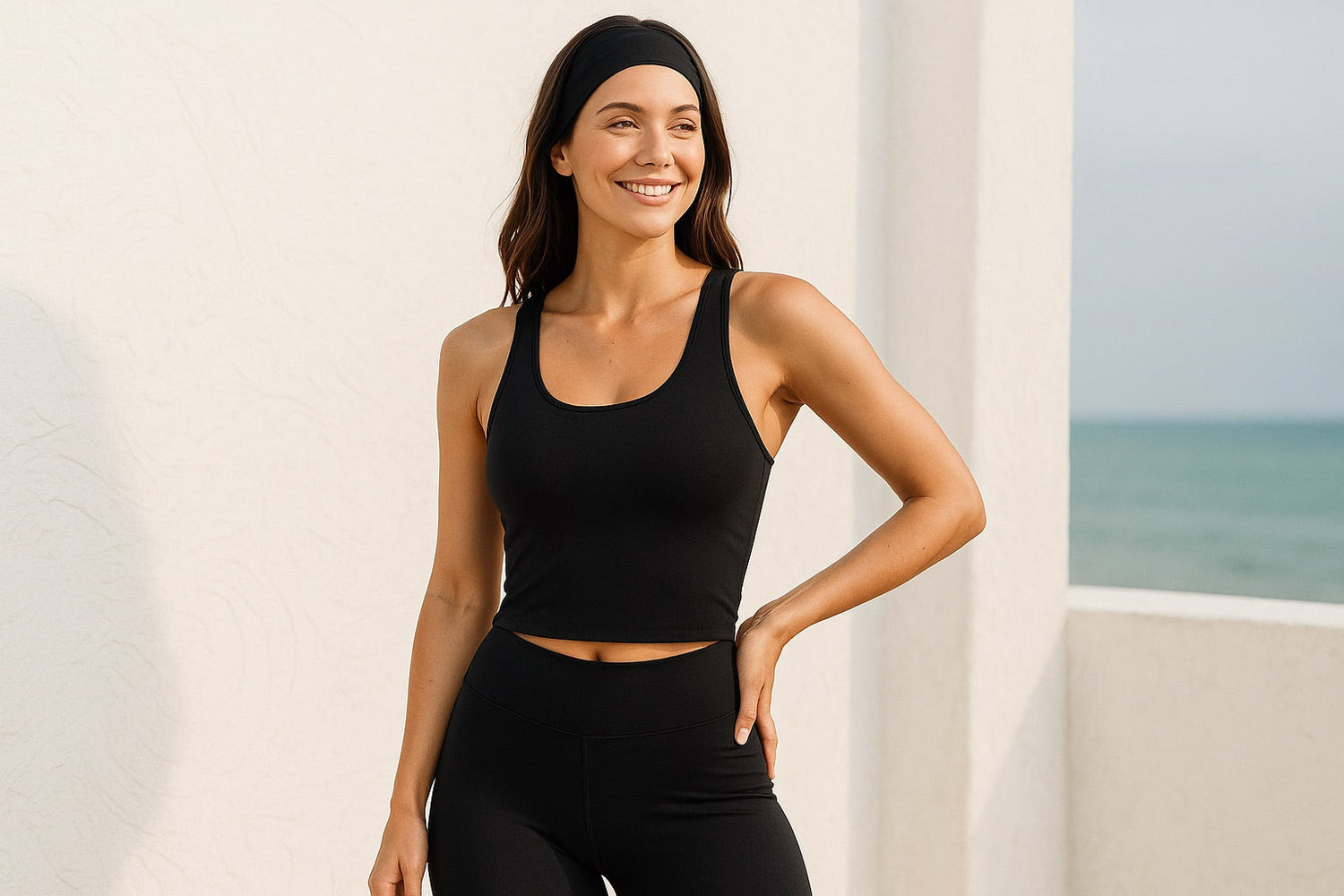
Not the maximalist bodycon of 2019. This version is quieter — a smooth, close-fitting silhouette in a single solid color, with zero embellishment. No cutouts, no hardware, no ruching. The dress earns attention through fit and fabric quality alone.
This is the trend that requires the most honesty in translation. A minimal bodycon only works if the fit is genuinely clean. One size too small and it reads uncomfortable. One size too large and the whole point collapses. **The fit is the trend.** Get that right and the rest is easy.
Fabric matters here too. A bodycon in a heavy ribbed knit reads polished. The same silhouette in thin jersey reads underwear. The carpet versions were almost all in structured crepe, thick jersey, or ribbed knit — fabrics that hold their shape through a full evening.
How to wear it: One statement accessory maximum. A sculptural earring, or a bold bag, or a striking shoe — pick one. The dress has nothing to hide behind, so the accessories need to be intentional, not compensatory.
Where to start: The bodycon dresses collection and the ribbed knits edit. Focus on midi length — it reads more 2026 than the mini bodycon, which has a different energy entirely.
Trend 5 — Statement accessories
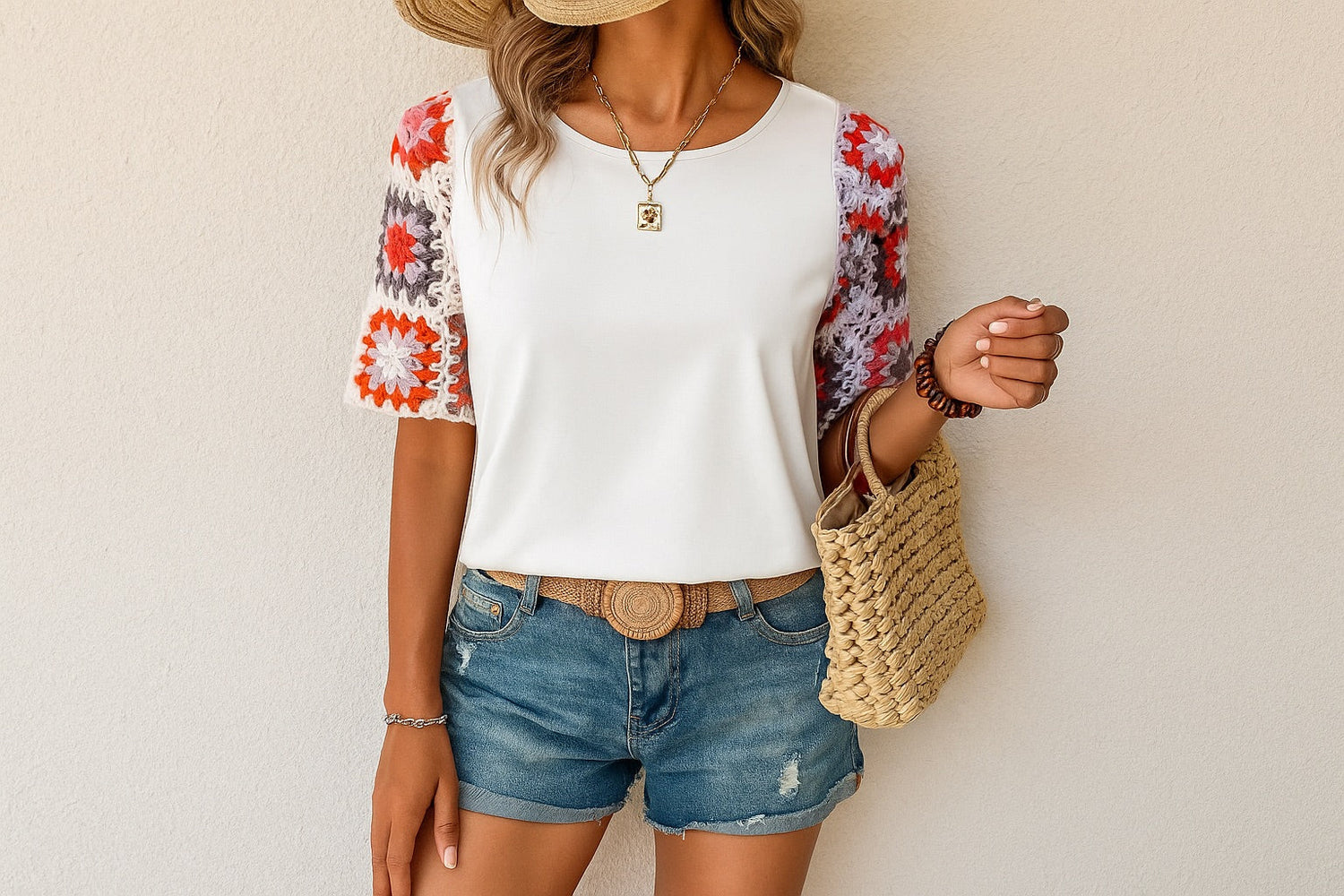
The accessories at Met 2026 were doing a lot of the narrative work. Oversized sculptural earrings. Layered chains worn over necklines rather than under them. Wide belts that defined the waist on otherwise simple column silhouettes. Bags small enough to be almost symbolic — the clutch as punctuation mark.
The consistent logic: one accessory per outfit was doing the heavy lifting, and it was chosen to contrast the dress rather than match it. A simple cream dress with a bold gold statement necklace. A black column with an architectural silver cuff. The accessory creates the tension; the dress provides the canvas.
How to wear it: Decide which accessory is the statement before you get dressed, then build the rest of the outfit around it. Most people do this backwards — they dress first, then add accessories as an afterthought. The Met carpet version reverses that logic.
Where to start:
- Statement necklaces — the fastest single-item outfit upgrade when the dress is simple.
- Hoop earrings — the most-worn earring silhouette on the carpet this year, in oversized gold.
- Gold jewelry — warm metal dominated; silver was present but secondary.
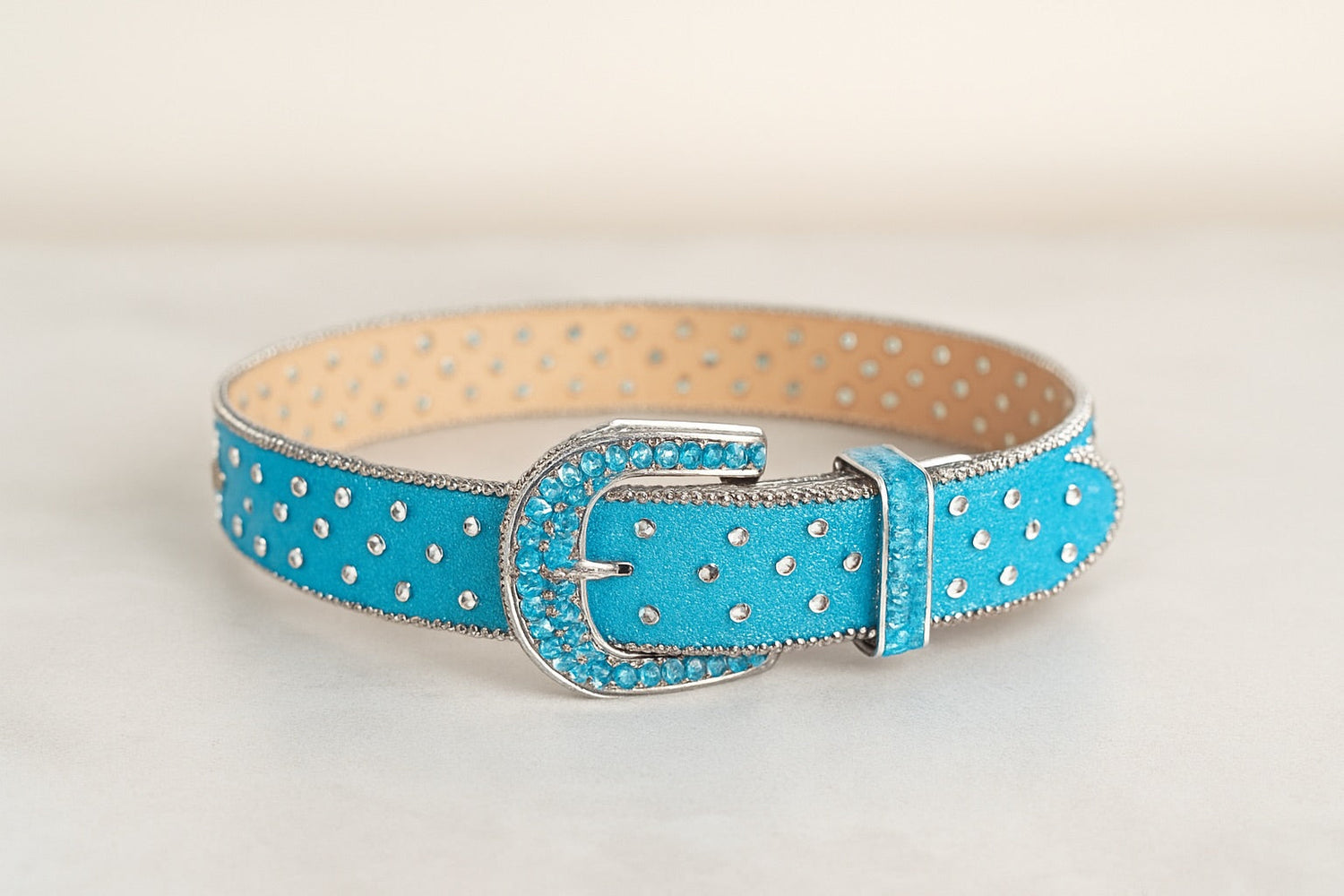
- Belts — a wide belt over a column dress or a maxi was a recurring carpet formula, and it's one of the cheapest ways to change the silhouette of a dress you already own.
What we're skipping
Not everything on the carpet is worth translating. A few things showed up that we're deliberately leaving alone:
- Extreme corseting. The structured corset-as-outerwear look requires a very specific body type and a very specific event. It also requires a tailor. Skip unless you have both.
- Train lengths over 18 inches. Beautiful on a carpet. Destroyed by a cocktail party floor. Not practical.
- Head-to-toe metallics in silver. The carpet had several, but they read costume outside of a formal gala context. A metallic accessory or shoe, yes. A full silver column dress for a regular spring event, no.
The best trend edits are also exclusion decisions. Knowing what not to chase saves time, money, and closet space.
Frequently asked questions
What was the theme of the Met Gala 2026?
The 2026 Met Gala theme centered on the intersection of nature and structure — a concept that explains why sculptural florals and architectural silhouettes dominated the carpet. Designers interpreted it as an invitation to make garments that feel both organic and engineered, which produced the 3D floral and sheer-layering looks that defined the night.
How do you translate a red-carpet trend into a real outfit?
Focus on the structural element, not the specific garment. If the trend is monochrome, the translation is a tonal outfit in your existing wardrobe — not a replica of a specific gown. If the trend is sheer layering, the translation is one sheer piece layered over one opaque piece. Pull the proportion and the color temperature; ignore the couture details that aren't reproducible off the rack.
Which Met Gala 2026 trends work for spring events like weddings and brunches?
Sculptural florals are the strongest choice for garden weddings and outdoor spring events. Monochrome dressing in ivory or sage works for both bridal showers and semi-formal brunches. Sheer layering reads well for cocktail events and evening occasions but is too formal for a casual daytime brunch. Minimal bodycon works for dinner and date-night events where a polished, clean silhouette is appropriate.
What accessories were most prominent at Met Gala 2026?
Oversized gold hoop earrings, layered chain necklaces worn over necklines, wide structural belts over column silhouettes, and very small clutch bags. Warm gold metal dominated over silver. The consistent pattern was one bold accessory per look rather than stacking multiple statement pieces.
Where can I find spring bestsellers that reflect these trends?
The spring bestsellers collection is the fastest starting point — it's updated weekly based on what's actually selling, which tracks closely with what's trending. For specific trend categories, the floral dresses, bodycon dresses, and solid color essentials collections are the most relevant right now.