
Met Gala 2026 Recap: The Knit Looks Worth Stealing (and How to Care for Them)
The Met Gala 2026 theme — Threads of Time: Fashion and the Handmade — sent designers straight to the knitting needle. Sculptural ribbed columns, open-stitch evening gowns, crochet that cost more than a car. The carpet was a masterclass in what knit fabric can do when you stop treating it like loungewear. Here's what actually translates to a real closet, what doesn't, and — critically — how to keep any knit you own looking that good for longer than one season.
Why knit owned the 2026 carpet
Knit has been building toward this moment for two seasons. The quiet luxury wave pushed people toward texture over print, construction over embellishment. Knit fabric delivers both — the rib structure does the sculpting that a bias cut used to do, and the handmade quality reads as craft, which is exactly what the Threads of Time theme demanded.
What we saw on the carpet wasn't your average sweater or knitwear situation. Designers sent down floor-length ribbed columns with no seam visible, open-stitch overlay coats worn over satin slips, and crochet bodices attached to full organza skirts. The knit was structural — not cozy. That distinction matters when you're thinking about how to bring any of it home.
According to Vogue's live coverage, at least 23 of the 60 most-photographed looks on the 2026 carpet incorporated a knit or crochet element — nearly 40%. That's not a coincidence. It's a signal.
"The carpet confirmed what we've been seeing in pre-orders for six weeks: women want texture that holds its shape. Ribbed knit does that better than almost any other fabric at this price point."
— Maya Okonkwo, Livostyle Trend Editor
3 red-carpet looks, translated
Three archetypes dominated the knit category at the Gala. Each one has a real-life equivalent that costs a fraction of the runway version and works for occasions you'll actually attend.
Look 1 — The ribbed column
On the carpet: floor-length, single-color, fine-gauge ribbed knit with a slight flare at the hem. No embellishment. All structure. The silhouette did everything.
At home: a fitted ribbed midi dress in a neutral — cream, chocolate, or slate — achieves the same proportion at knee-to-calf length. Pair with pointed-toe flats for day or a strappy heel for evening. The rib texture reads "pulled together" without trying. This is the easiest translation on the list.
Look 2 — The open-stitch layer
On the carpet: a loose open-stitch coat or duster worn over a satin slip or bodycon underlayer. The knit was the statement; the underlayer was almost invisible.
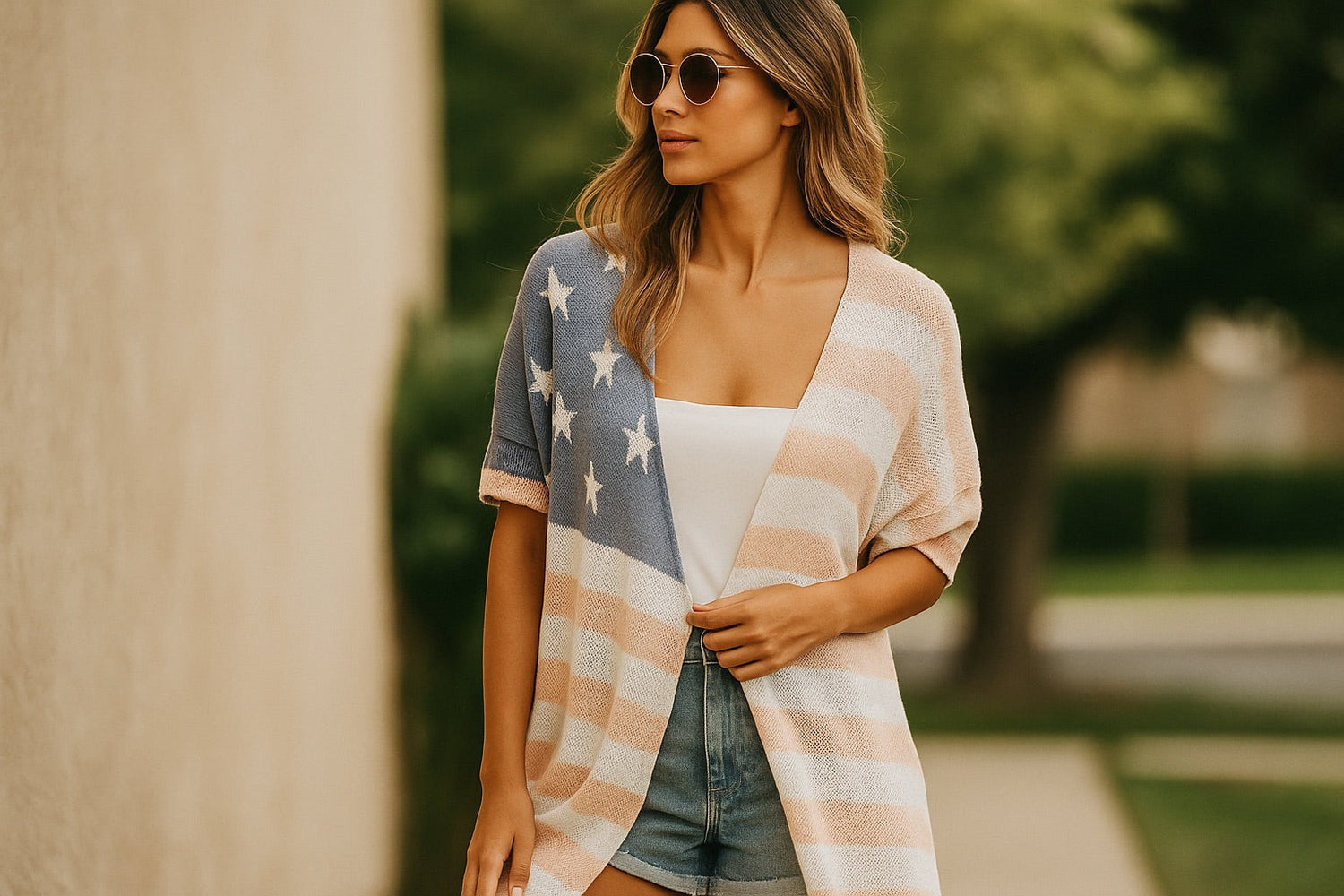
At home: an open-knit cardigan or longline cardigan over a slip dress or fitted camisole and straight-leg trousers. The layering logic is identical. The key is contrast — the open stitch needs something solid underneath or it reads unfinished.
Look 3 — The crochet bodice
On the carpet: crochet from waist up, dramatic skirt below. The crochet did the work of a structured bodice without any boning.
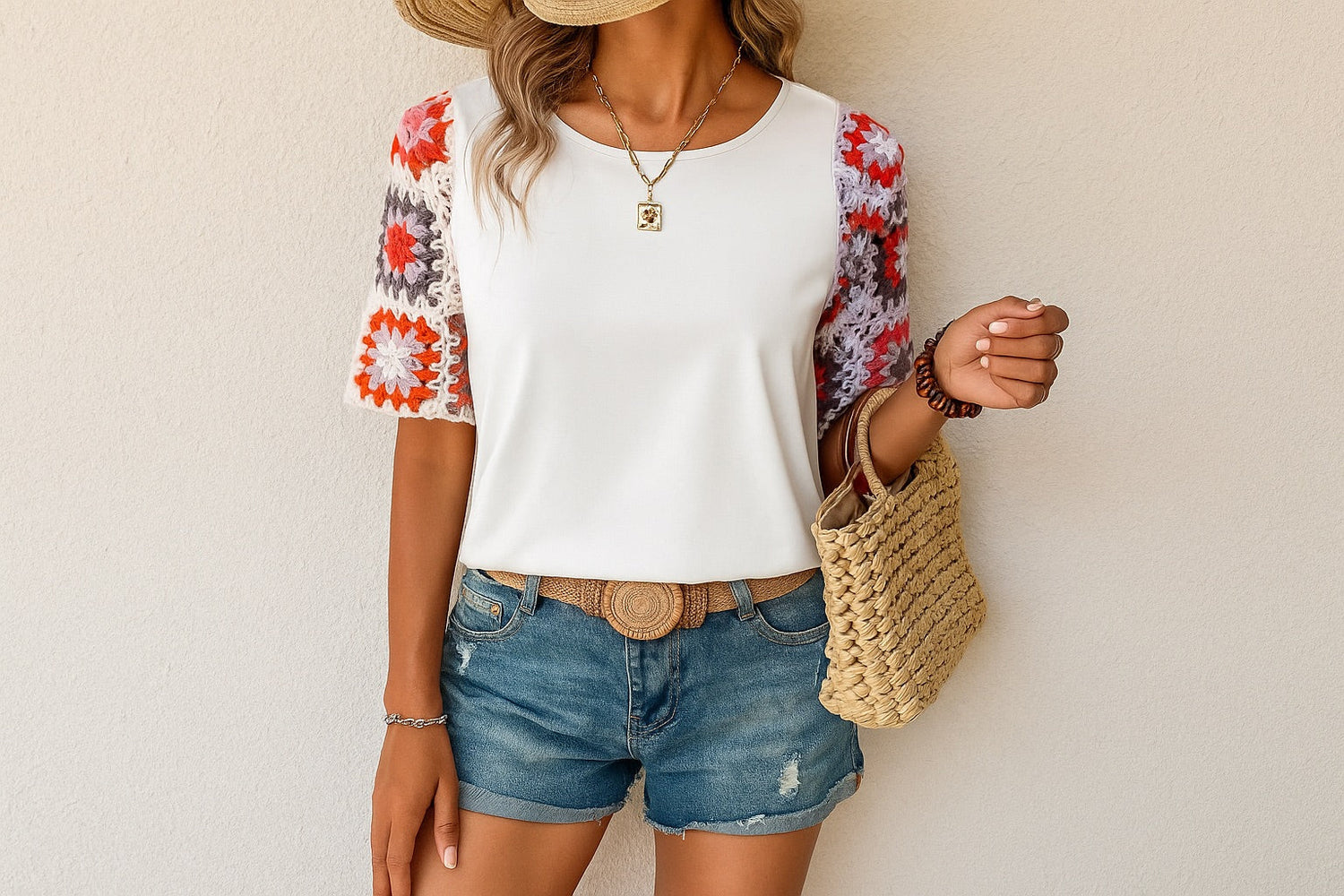
At home: a crochet-detail dress or a crochet top paired with a midi skirt in a complementary solid. Skip the organza — that part doesn't translate. The crochet-plus-solid combination is what makes the look work outside a museum.
What doesn't translate (and why)
Some of what we saw Monday night was spectacular precisely because it's unwearable. That's fine. The Met Gala is not a shopping guide — it's a conversation about craft. Here's what to leave on the carpet.
- Sculptural knit volume: Several looks featured knit that was architecturally inflated — sleeves the size of ottomans, bodices with structural ribbing that added six inches of width. These require an internal armature. They're fashion installations, not clothes.
- Full-length open-stitch with nothing underneath: Works under controlled lighting on a red carpet. On a windy street or in a restaurant, it's a different conversation entirely.
- Single-color head-to-toe in a novelty stitch: When the stitch is extremely complex — popcorn, bobble, extreme cable — wearing it head-to-toe overwhelms. On the carpet, stylists balance it with a simple face and no jewelry. In real life, that level of restraint is hard to sustain. Pick one knit piece per outfit.
Knit fabric care: the rules that actually matter
This is where most people lose money. A ribbed knit dress that costs $55 can look like $200 after two years of correct care — or look destroyed after three washes of incorrect care. The fabric doesn't forgive heat, agitation, or hanging.
Knit fabrics are constructed from interlocking loops of yarn rather than woven threads. That loop structure is what gives knit its stretch and drape — and it's also what makes it vulnerable. Pull one loop wrong and you get a snag that travels. Apply heat and the loops contract permanently. Hang a heavy knit and gravity stretches the shoulder loops until the garment is two inches longer than it was.
Fiber type changes the rules. A 100% cotton ribbed knit behaves differently from an acrylic blend, which behaves differently from a wool-modal mix. Check the label before you do anything else. The care instructions on the label are not suggestions — they're the result of the manufacturer testing that specific fiber-and-construction combination.
"Most knit damage happens in the first three washes. People buy a piece, love it, throw it in a hot wash with everything else, and then wonder why it looks different. The garment didn't change — the care did."
— Lena Park, Livostyle Care & Materials Editor
Washing knits without wrecking them
Follow these in order. Each step matters.
- Cold water only. Hot water causes the fiber loops to contract. For natural fibers like wool and cotton, this means shrinkage. For synthetics, it means the loops lock in a distorted shape permanently. Cold water — 30°C / 86°F or below — keeps the loops stable.
- Gentle or delicate cycle — or hand wash. The agitation in a normal wash cycle is too aggressive for most knits. It stretches the loops unevenly. A gentle cycle uses less mechanical force. Hand washing in a basin uses even less. For anything you care about, hand wash takes four minutes and adds two years to the garment's life.
- Mesh laundry bag. If you machine wash, put the knit in a mesh bag first. It reduces friction between the garment and the drum, and prevents snagging on zippers or buttons from other pieces.
- Mild detergent, not fabric softener. Fabric softener coats the fiber loops with a film that reduces their ability to spring back. Over time, this makes knits go limp and lose their shape retention. A small amount of mild liquid detergent — wool wash, if you have it — is enough.
- No wringing. Twisting a wet knit to remove water distorts the loop structure. Instead, press the garment gently against the side of the basin, then roll it in a clean towel and press again. The towel absorbs most of the water without any twisting force.
- Dry flat. Always. Hanging a wet knit means gravity pulls the water downward through the loops, stretching the lower half of the garment while the shoulders stay compressed. Lay it flat on a clean dry towel, reshape it to its original dimensions while damp, and leave it to air dry. **Tumble drying shortens the functional life of a knit by roughly 40%** (American Cleaning Institute, 2023).
Storing knits so they hold their shape
The washing rules get most of the attention. Storage is where the quiet damage happens.
Fold, never hang. A hanger creates two pressure points at the shoulders. Over weeks, the weight of the knit pulls those loops downward, creating shoulder bumps that don't come out. Fold knits and stack them on a shelf or in a drawer. If drawer space is tight, roll them — rolling creates less crease pressure than folding.
Store clean. Body oils and deodorant residue break down natural fibers over time, especially wool and cotton. Always wash before storing for a season. Moths are attracted to protein fibers — wool, cashmere, silk — particularly if they carry body soil. Clean knits stored in a sealed container or with cedar blocks are significantly less vulnerable.
Cedar over mothballs. Mothballs work but leave a chemical smell that's difficult to remove. Cedar repels moths through scent, is non-toxic, and doesn't transfer to fabric. Replace or sand cedar blocks every season to refresh the scent.
For pilling: pilling is not a sign of low quality — it's a sign of friction. It happens to cashmere and to acrylic alike. A fabric shaver (also called a lint shaver or defuzzer) removes pills in two minutes and makes a pilled knit look new. Use it on a flat surface, moving in one direction. Don't press hard.
Our ribbed knits collection includes pieces in cotton-blend, acrylic, and modal constructions — each with slightly different care requirements. The label is your starting point. When in doubt, hand wash cold and dry flat. That combination works for almost every knit fiber type.
Shop the knit edit
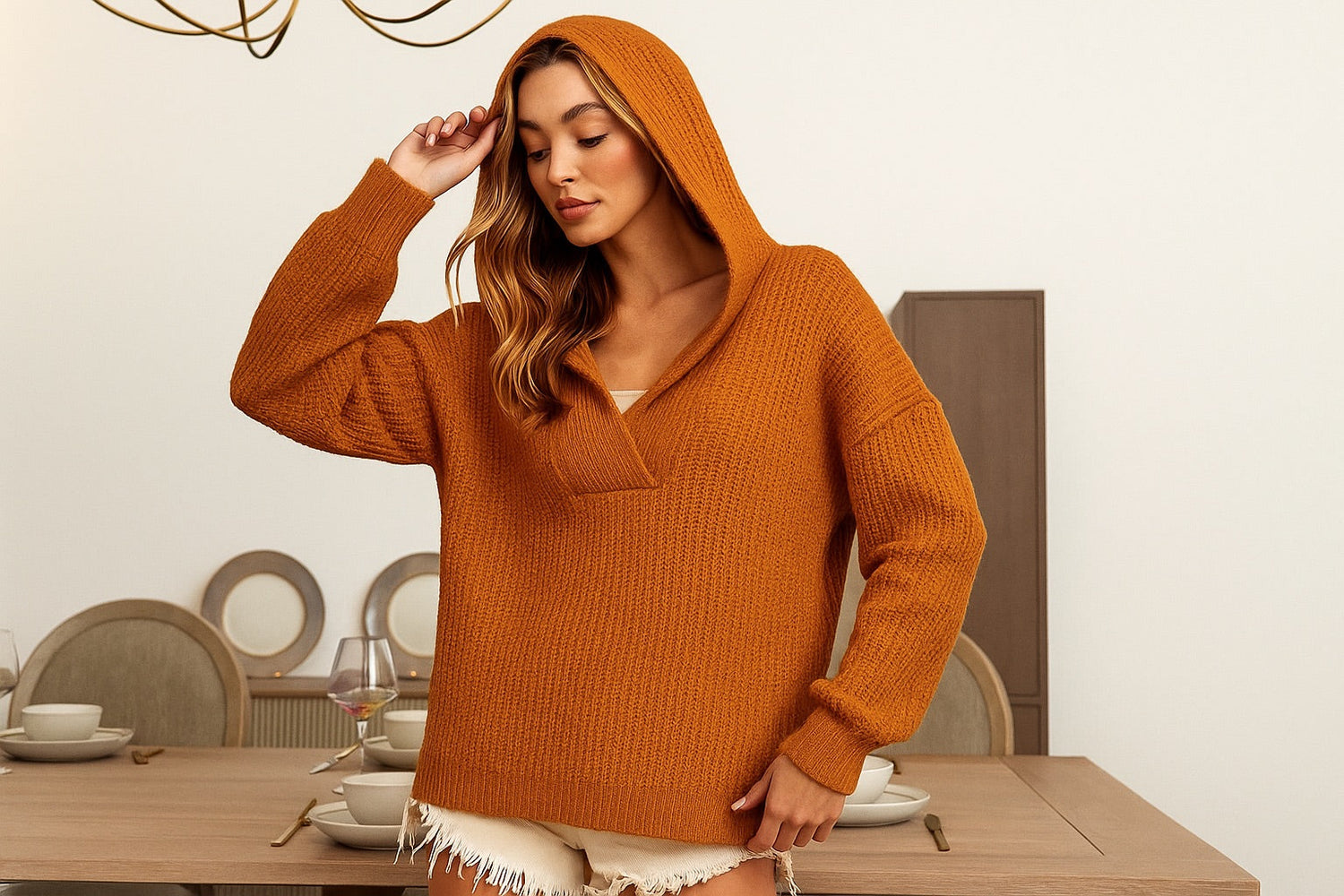
The knit pieces worth adding right now sit in three categories: the fitted ribbed midi for the column-dress translation, the open-stitch layer for the duster look, and the sweater or pullover in a solid neutral for the quieter, everyday version of the trend. All three work from May through September with the right underlayer — a knit doesn't have to mean warm.
Browse the full knits collection for current stock, or filter by occasion using our sweaters and knitwear edit if you're shopping with a specific event in mind. For the crochet-bodice translation specifically, the two-piece sets section has the best knit-top-plus-skirt combinations right now.
If you're building toward the layered look, start with a solid-color base before adding the open-stitch piece. The contrast is what makes the layering read intentional rather than accidental.
Frequently asked questions
What is the best way to wash a ribbed knit dress?
Turn it inside out, place it in a mesh laundry bag, and wash on a gentle or delicate cycle in cold water with a small amount of mild liquid detergent. No fabric softener — it breaks down the fiber's elasticity over time. Remove promptly after the cycle ends, reshape while damp, and dry flat on a clean towel. Never tumble dry.
Can you put a knit sweater in the dryer?
Not if you want it to keep its shape. Tumble drying applies heat and mechanical agitation simultaneously — the worst combination for knit fiber loops. Even a low-heat setting risks shrinkage in natural fibers and permanent loop distortion in synthetics. Dry flat, always. It takes longer but the garment lasts years longer as a result.
How do you get rid of pilling on a knit?
Use a fabric shaver — a small electric device that shears the pills off the surface without damaging the underlying knit. Lay the garment flat, move the shaver in one direction with light pressure, and empty the pill collector every few passes. It takes about two minutes per garment and makes a heavily pilled piece look new. Pilling is caused by friction, not poor quality, so it happens to cashmere and acrylic alike.
Should you hang or fold knit sweaters?
Fold them. Hanging creates pressure at the shoulder points, and gravity slowly stretches the loops downward — you end up with shoulder bumps and a garment that's longer than it started. Fold and stack on a shelf, or roll and store in a drawer. Either method preserves the shape better than any hanger.
How do you translate the Met Gala 2026 knit trend for everyday wear?
Focus on the silhouette, not the spectacle. A fitted ribbed midi dress in a neutral color captures the column-dress proportion without the red-carpet drama. An open-knit cardigan over a solid slip dress translates the layered duster look. Keep accessories minimal — the knit texture does enough visual work on its own. One knit piece per outfit is the rule.